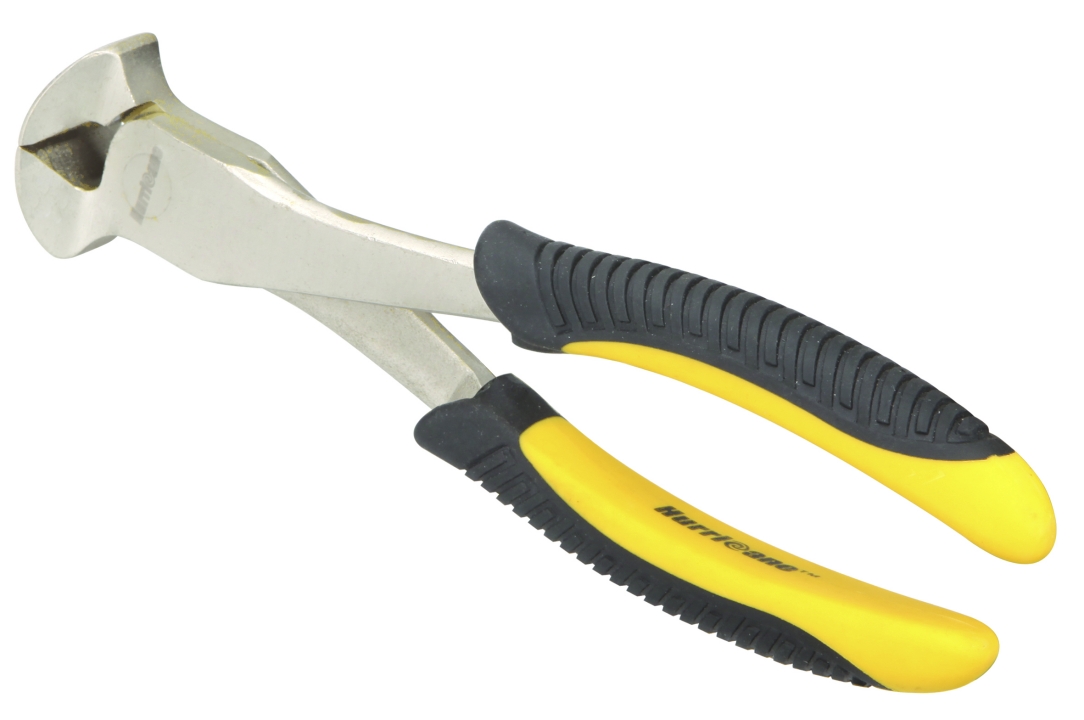
End cutting pliers are specialised hand tools designed for cutting, pulling, trimming, and removing materials such as wire, nails, staples, rivets, pins, and fasteners in confined or flush surface applications.
According to Machinery’s Handbook and the U.S. Bureau of Naval Personnel’s Hand Tools and Their Uses manual, end cutting pliers provide superior leverage and precision when cutting materials close to a surface without causing significant damage to the surrounding area. Their unique jaw design makes them indispensable for use in construction, electrical work, carpentry, automotive repair, metalworking, and industrial manufacturing.
Introduction
End cutting pliers occupy a unique and highly practical position among the vast range of hand tools used in modern industry, construction, and maintenance. Although they may appear similar to standard cutting pliers at first, their specialised cutting head and leverage-oriented design enable them to perform tasks that conventional pliers often struggle with.
Professionals in various industries rely on end cutting pliers for operations requiring clean cuts near flat surfaces, efficient fastener removal, and high mechanical advantage. Whether it’s removing embedded nails from wood, trimming excess wire in reinforced concrete, cutting steel binding wire on construction sites, extracting staples during furniture restoration, or performing precision work in industrial manufacturing, endcutting pliers provide a combination of cutting power and accessibility that few other hand tools can match.
As the manufacturing and construction industries continue to evolve, modern endcutting pliers incorporate advanced steel alloys, ergonomic handle designs, induction-hardened cutting edges, and improved leverage mechanisms. These developments have expanded their applications far beyond traditional carpentry and wirecutting tasks.
This comprehensive guide explores the various uses of end cutting pliers, how they work, their different types, key advantages, industrial applications, selection criteria, maintenance practices, and common purchasing considerations.
What Are End Cutting Pliers?
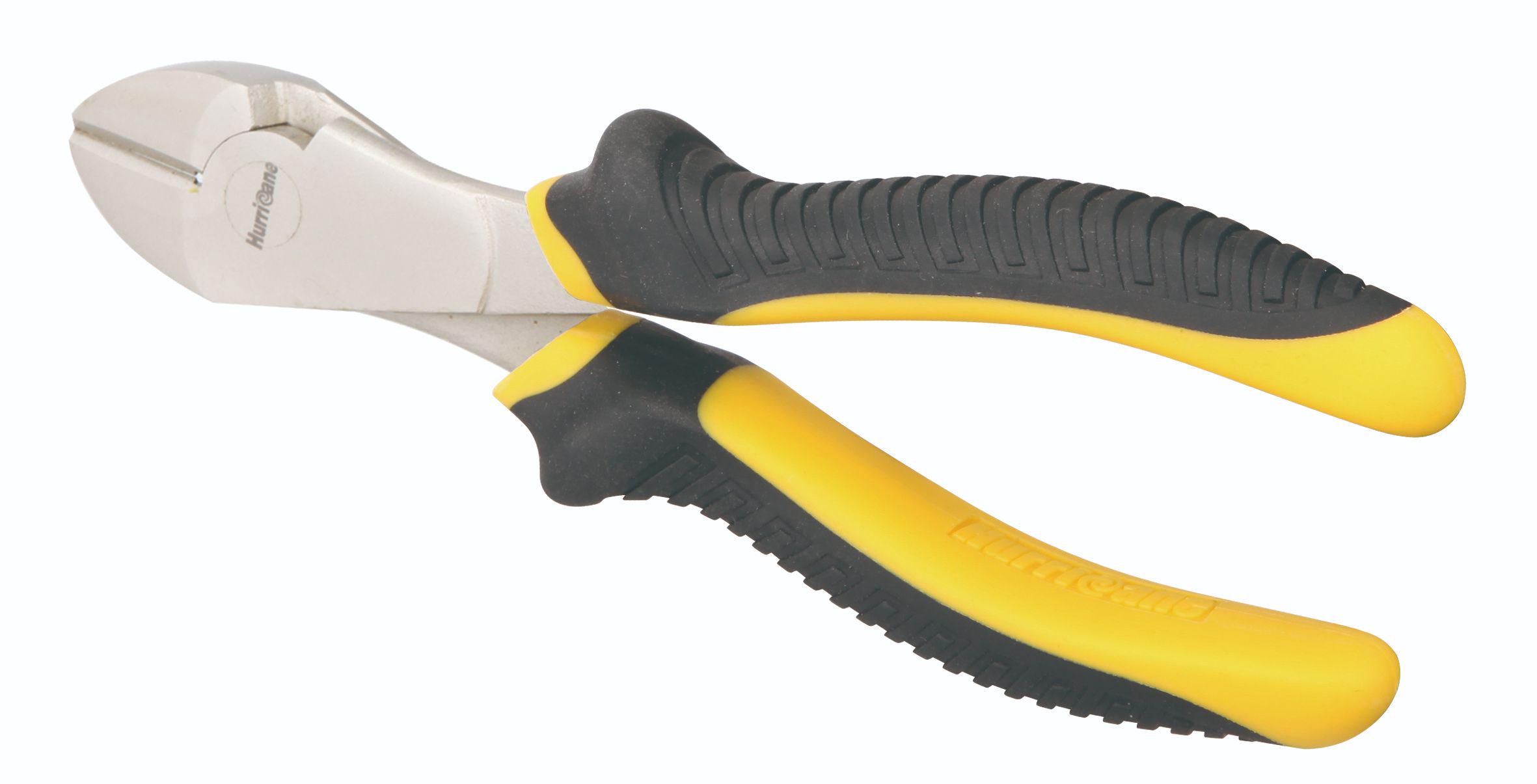
Endcutting pliers, also known as end nippers, end cutters, or carpenter’s pincers, are hand tools with cutting edges perpendicular to the handles.
Unlike diagonal cutters or sidecutting pliers, the jaws of endcutting pliers face forward, enabling users to cut material flush against a surface.
The tool generally consists of:
- Two forged steel handles;
- A pivot joint;
- Hardened cutting jaws;
- Grip coating or ergonomic handles.
This unique geometry allows the cutting edges to approach materials directly from above, creating clean, controlled cuts.
How Do End Cutting Pliers Work?
The effectiveness of endcutting pliers depends on leverage.
When force is applied to the handles:
- Mechanical leverage amplifies the pressure applied by the hands.
- Force is transferred through the pivot.
- The cutting edges converge.
- The material is sheared between the jaws.
The short distance between the pivot and the cutting edge creates a powerful mechanical advantage.
Consequently, relatively modest hand pressure can generate substantial cutting force.
This design makes end-cutting pliers particularly effective for cutting:
- Soft steel wire
- Copper wire
- Aluminium wire
- Nails
- Pins
- Staples
- Rivets
Key Components of End Cutting Pliers
Understanding the tool’s anatomy helps to explain its versatility.
Cutting jaws
The jaws contain hardened cutting edges that can shear various materials.
Premium tools often feature:
- Induction-hardened edges
- Precision-ground surfaces
- Heattreated steel
These characteristics improve durability and cutting performance.
Pivot joint
The pivot joint acts as the force transfer mechanism.
High-quality pivots provide:
- Smooth operation
- Reduced wear
- Improved cutting efficiency
Handles
Handles influence comfort and control.
Modern designs often include:
- Nonslip grips
- Ergonomic contours
- Shock-absorbing materials
These features reduce user fatigue during repetitive tasks.
Main Uses of End Cutting Pliers
The versatility of endcutting pliers is the reason for their widespread adoption across industries.
Cutting wire flush to a surface
One of the most common uses of endcutting pliers is trimming wire close to a surface.
Examples include:
- Reinforcement wire
- Fence wire
- Electrical wire
- Binding wire
The forward-facing jaws allow clean cuts with minimal protrusion.
This is especially important in applications where safety, appearance, or subsequent assembly processes require smooth surfaces.
Removing nails
Carpenters often use end-cutting pliers to remove nails.
The process involves:
- Gripping the nail head.
- Rolling the tool against the work surface;
- Levering the nail out.
This technique minimises surface damage while maximising extraction force.
Compared with standard pliers, end cutters often provide superior performance when removing nails.
Pulling staples
Furniture restoration professionals commonly use end-cutting pliers for staple removal.
Applications include:
- Upholstery repair
- Furniture refinishing
- Flooring removal
- Packaging dismantling
The jaws can grip staples securely and remove them with minimal damage to the surrounding material.
Trimming fasteners
Many manufacturing operations require excess material to be trimmed from fasteners.
Examples include:
- Rivets
- Pins
- Locking wires
- Cable ties
End cutting pliers allow workers to quickly and safely remove protruding sections.
Cutting reinforcing wire
Construction sites frequently use reinforcing steel bars that are secured with tie wire.
Workers use end-cutting pliers to:
- Twist tie wire;
- Cut excess wire;
- Remove wire during repairs.
The tool’s durability makes it ideal for demanding construction environments.
Electrical applications
Electricians use end-cutting pliers for specialised tasks such as:
- Cutting copper conductors;
- Trimming cable ties;
- Removing securing wire.
Although not a replacement for dedicated electrical cutters, end cutters remain valuable in many electrical environments.
End Cutting Pliers vs Other Cutting Pliers
Understanding the differences between tool types helps users select the correct tool.
| Tool Type | Primary Purpose | Flush Cutting Ability | Pulling Capability |
| Endschneidezange | Cutting and pulling | Excellent | Excellent |
| Diagonal Cutters | General wire cutting | Begrenzt | Poor |
| Lineman’s Pliers | Gripping and cutting | Moderate | Moderate |
| Needle Nose Pliers | Precision gripping | Poor | Poor |
| Kombinationszange | Multipurpose tasks | Moderate | Moderate |
End cutting pliers excel when flush cuts and extraction tasks are priorities.
Industries That Use End Cutting Pliers
End cutting pliers are used daily in numerous industries.
Construction industry
Applications include:
- Concrete reinforcement
- Framing
- Roofing
- Formwork
Workers frequently use end cutters for wire management and nail removal.
Carpentry and woodworking
Woodworkers use end-cutting pliers for:
- Nail extraction
- Trim work
- Furniture repair
Their ability to minimise wood surface damage is particularly valuable.
Automotive repair
Automotive technicians use end-cutting pliers for:
- Cotter pin removal
- Wire trimming
- Fastener extraction
Many maintenance procedures involve components that are ideally suited to an end-cutting operation.
Manufacturing
Industrial production facilities use end-cutting pliers for:
- Assembly operations
- Quality control
- Component finishing
The tool contributes to productivity and precision.
Metallbearbeitung
Metal fabrication shops often use end cutters for:
- Wire trimming
- Rivet work
- Sheet metal assembly
Their robust cutting edges can handle demanding workloads effectively.
Types of End Cutting Pliers
Different applications require specialised tool designs.
Standard endcutting pliers
The most common type.
Suitable for:
- General repairs
- Carpentry
- Construction
High-leverage end cutters
Designed with optimised geometry to increase cutting force.
Advantages include:
- Reduced hand effort
- Improved cutting power
- Greater productivity
Mini end cutting pliers
Compact versions intended for:
- Electronics
- Precision assembly
- Fine mechanical work
Heavy-duty end cutters
Engineered for industrial environments.
Features often include:
- Forged steel construction
- Hardened jaws
- Reinforced pivots
Materials Commonly Cut with End Cutting Pliers
| Material | Cutting Suitability |
| Copper Wire | Excellent |
| Aluminum Wire | Excellent |
| Soft Steel Wire | Excellent |
| Nails | Good |
| Staples | Excellent |
| Rivets | Good |
| Plastic Ties | Excellent |
| Stainless Wire | Moderate |
Users should always verify manufacturer specifications before cutting hardened materials.
Advantages of End Cutting Pliers
Several characteristics distinguish end cutting pliers from alternative tools.
- Superior Leverage
The cutting geometry provides substantial force multiplication.
- Flush Cutting Capability
Cuts can be made extremely close to surfaces.
- Dual Functionality
The same tool can:
- Cut
- Pull
- Extract
- Trim
This versatility increases efficiency.
- Durability
Quality end cutting pliers often provide years of reliable service under demanding conditions.
How to Choose the Best End Cutting Pliers?
Selecting the right tool requires evaluating several factors.
Material Quality
Look for:
- Chrome vanadium steel
- Forged steel construction
- Heattreated cutting edges
These materials improve longevity.
Cutting Capacity
Consider the materials most frequently encountered.
Different tools offer different cutting limits.
Handle Comfort
Ergonomic grips reduce fatigue during extended use.
Brand Reputation
Professional users often prioritize established manufacturers known for quality and reliability.
Common Mistakes When Using End Cutting Pliers
Several errors can reduce tool life.
Cutting Hardened Materials Beyond Capacity
Excessively hard materials may damage cutting edges.
Twisting While Cutting
Twisting motions can misalign jaws and accelerate wear.
Using as a Hammer
End cutting pliers are not designed for impact applications.
Poor Maintenance
Neglecting cleaning and lubrication can reduce service life.
Maintenance and Care
Proper maintenance extends tool lifespan significantly.
Recommended practices include:
- Cleaning after use
- Removing debris
- Applying light oil to pivots
- Storing in dry environments
- Inspecting cutting edges regularly
Routine maintenance preserves cutting efficiency and safety.
Future Trends in End Cutting Pliers
Several innovations are shaping the next generation of hand tools.
Emerging trends include:
- Advanced alloy steels
- Lightweight forged designs
- Enhanced ergonomic handles
- Anticorrosion coatings
- Smart manufacturing quality control
These improvements continue to increase durability and user comfort.
FAQ: End Cutting Pliers
- What are end cutting pliers mainly used for?
They are primarily used for cutting wire, removing nails, pulling staples, trimming fasteners, and making flush cuts near surfaces.
- Can end cutting pliers cut nails?
Yes. Most high-quality end cutting pliers can cut or remove common nails depending on hardness and diameter.
- What is the difference between end cutting pliers and diagonal cutters?
End cutting pliers cut from the front and excel at flush cutting and pulling, while diagonal cutters cut from the side and are mainly used for wire cutting.
- Are end cutting pliers suitable for electricians?
Yes. They are often used for cutting wire, removing ties, and performing specialized electrical maintenance tasks.
- Can end cutting pliers remove staples?
Absolutely. Staple removal is one of their most common applications in upholstery and renovation work.
- How long do end cutting pliers last?
With proper maintenance and appropriate use, professional-grade end cutting pliers can last many years or even decades.
Schlussfolgerung
End cutting pliers are among the most versatile and valuable cutting tools for professionals and DIY enthusiasts. Their distinctive jaw configuration enables powerful cutting, flush trimming, nail extraction, staple removal, and fastener management — tasks that are difficult to perform with conventional pliers. These tools continue to play an essential role in improving productivity, precision, and efficiency in a variety of settings, from construction sites and woodworking shops to automotive repair facilities and industrial manufacturing plants.
Even as tool technology advances with stronger alloys, improved ergonomics, and enhanced manufacturing processes, endcutting pliers remain a critical component of modern toolkits. Whether the task involves trimming wire flush to a surface, removing embedded fasteners, or performing detailed finishing work, high-quality endcutting pliers deliver the leverage, durability, and versatility required for professional results.