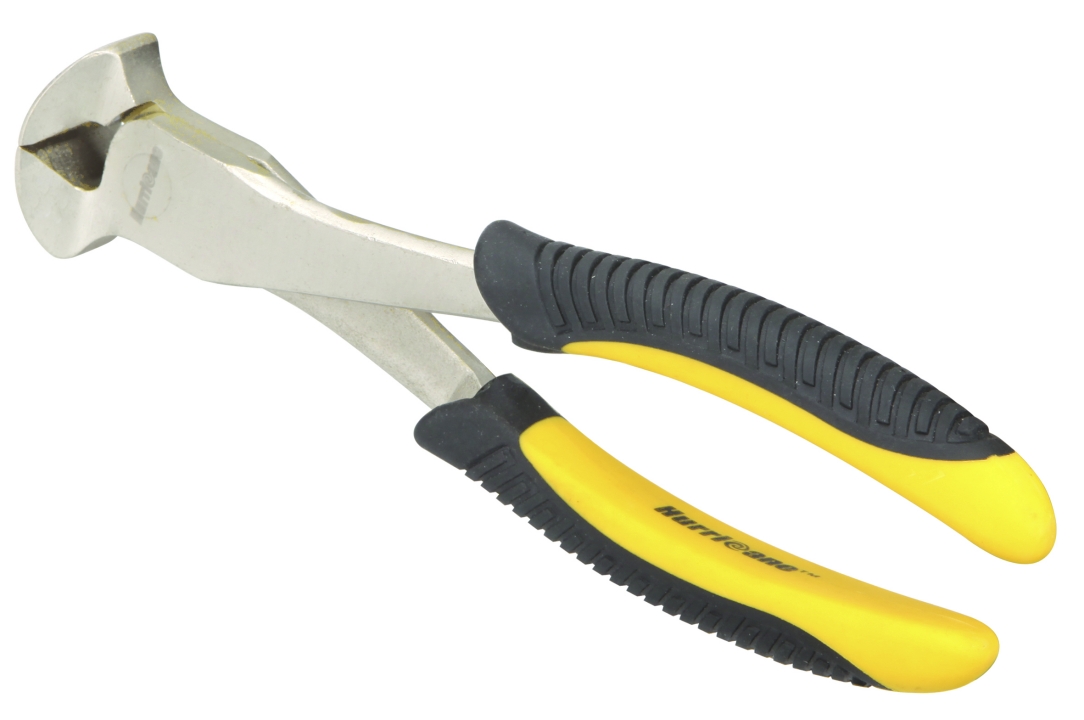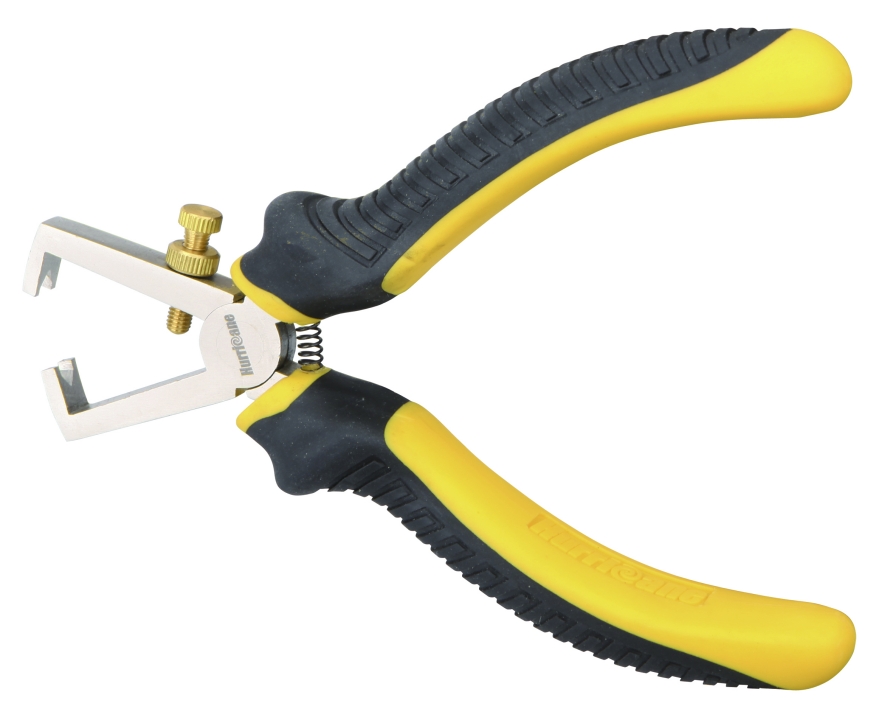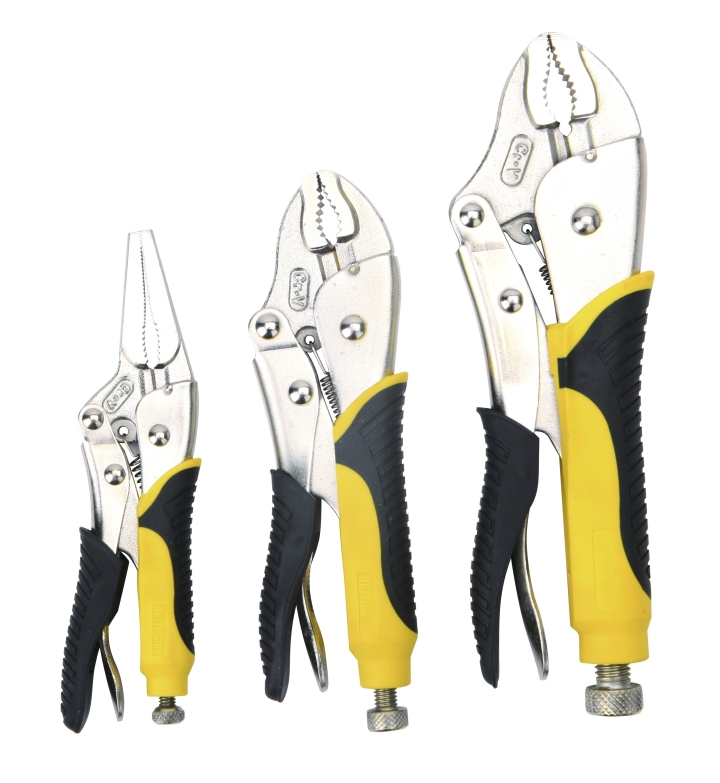
Καρφωτικά are multipurpose hand tools that are primarily used for gripping, bending, cutting, twisting, compressing, and manipulating materials, particularly wire, metal components, and fasteners.
According to references in the fields of engineering and industrial tool design, pliers function through a lever and pivot mechanism that amplifies the force applied by the user’s hands, enabling them to perform precise mechanical operations efficiently in areas such as electrical work, automotive repair, manufacturing, and construction.
Studies in ergonomics and hand tool engineering, published by organisations such as the Occupational Safety and Health Administration (OSHA), as well as industrial mechanics literature, confirm that the correct selection of pliers can significantly improve task precision, reduce operator fatigue, and enhance workplace safety in manual operations.
Introduction: Why Pliers Remain Essential in Modern Industry
Few hand tools are as widely recognised or as versatile as pliers. From household repairs to industrial assembly lines, they continue to play a fundamental role in modern mechanical work. Despite the growth of automated manufacturing and power tools, manual hand tools remain indispensable because they offer something that machines often cannot: direct tactile control, precise handling and adaptability in confined or delicate environments.
The reason pliers remain so important is simple. Many industrial, electrical, and maintenance operations involve small components, irregular shapes, tensioned wires, or materials that cannot be manipulated effectively with bare hands. Pliers solve this problem by providing a mechanical advantage based on leverage. Their pivot design magnifies hand force, providing concentrated gripping or cutting power and enabling users to manipulate materials with greater precision and less physical effort.
Today, the word ‘pliers’ does not describe a single tool. Instead, it refers to a whole category of specialised hand tools designed for different industries and technical tasks. Electricians use insulated pliers for livewire applications. Automotive technicians rely on locking and needle nose pliers for working in confined spaces such as engine compartments. Manufacturers use precision pliers in assembly operations requiring tight tolerances. Jewellers, machinists, mechanics, HVAC technicians, and even medical equipment manufacturers all use different plier designs tailored to specific applications.
As industrial standards evolve, modern pliers now incorporate ergonomic engineering, hardened alloy steel, corrosion-resistant coatings, precision-machined jaws, and advanced cutting edges capable of handling high-strength materials. Understanding what pliers are used for therefore requires more than a simple definition—it requires examining their mechanical principles, industrial applications, structural variations, safety roles, and technological evolution.
What Are Pliers? Technical Definition and Mechanical Principle
Pliers are hand-operated tools with two handles, a pivot joint, and specialised jaws that are used to grip, bend, twist, cut, or compress materials. They operate based on the principle of leverage, amplifying the force applied to the handles at the jaws.
From a mechanical perspective, pliers belong to the category of first-class levers. The pivot acts as the fulcrum, the handles provide the input force, and the jaws apply the output force to the target material. This design enables relatively small hand movements to generate substantial gripping or cutting pressure.
Unlike wrenches or screwdrivers, which are generally designed for one type of motion or fastener, pliers are versatile manipulation tools. Their jaws can hold irregular objects, apply rotational pressure, stabilise components or intentionally deform materials. This versatility is why pliers are considered one of the most essential hand tools in many different industries.
Main Functions of Pliers
Pliers have many more uses than just gripping. Thanks to their different jaw geometries and cutting mechanisms, they can perform highly specialised mechanical functions.
Gripping and holding materials
The most basic use of pliers is gripping. Smooth or serrated jaws create friction against an object, enabling the user to hold materials securely during assembly, repair, or adjustment tasks.
This function is especially important when handling:
- Small fasteners
- Slippery metal components
- Heated materials
- Tensioned wires
- Fragile parts requiring controlled pressure
In industrial environments, the precision of the grip directly affects assembly quality and operator safety.
Cutting wire and metal components
Many pliers have hardened cutting edges near the pivot point, where the greatest mechanical force is exerted. This enables users to cut:
- Copper wire
- Steel wire
- Electrical cables
- Zip ties
- Soft metal rods
Cutting pliers are particularly important in electrical work because clean cuts reduce fraying and improve connection quality.
Bending and forming materials
Pliers are widely used for bending wire, shaping metal, and creating loops or angles. Industries such as electronics manufacturing and jewellery fabrication rely heavily on this capability.
Needlenose pliers, for example, enable technicians to create precise bends in tight spaces without damaging neighbouring components.
Twisting and rotational manipulation
Pliers are used to twist electrical wires, pipe fittings, fasteners, and retaining clips when fingers cannot generate enough torque or access tight areas. This function is common in automotive repair, plumbing, and electrical installation.
Crimping and compression
Certain pliers are specifically designed for crimping connectors, terminals, and cable ends. Crimping involves compressing metal around wires to create durable electrical or mechanical connections.
Industries using crimping pliers include:
- Telecommunications
- Automotive wiring
- Aerospace systems
- Industrial automation
Types of Pliers and Their Specific Uses
The term “pliers” includes many specialized designs. Each type is optimized for particular tasks.
Common Types of Pliers
| Type of Pliers | Main Use | Typical Industry |
| Slipjoint pliers | Adjustable gripping | General maintenance |
| Needlenose pliers | Precision work in tight spaces | Electronics, electrical |
| Diagonal cutting pliers | Cutting wire | Electrical work |
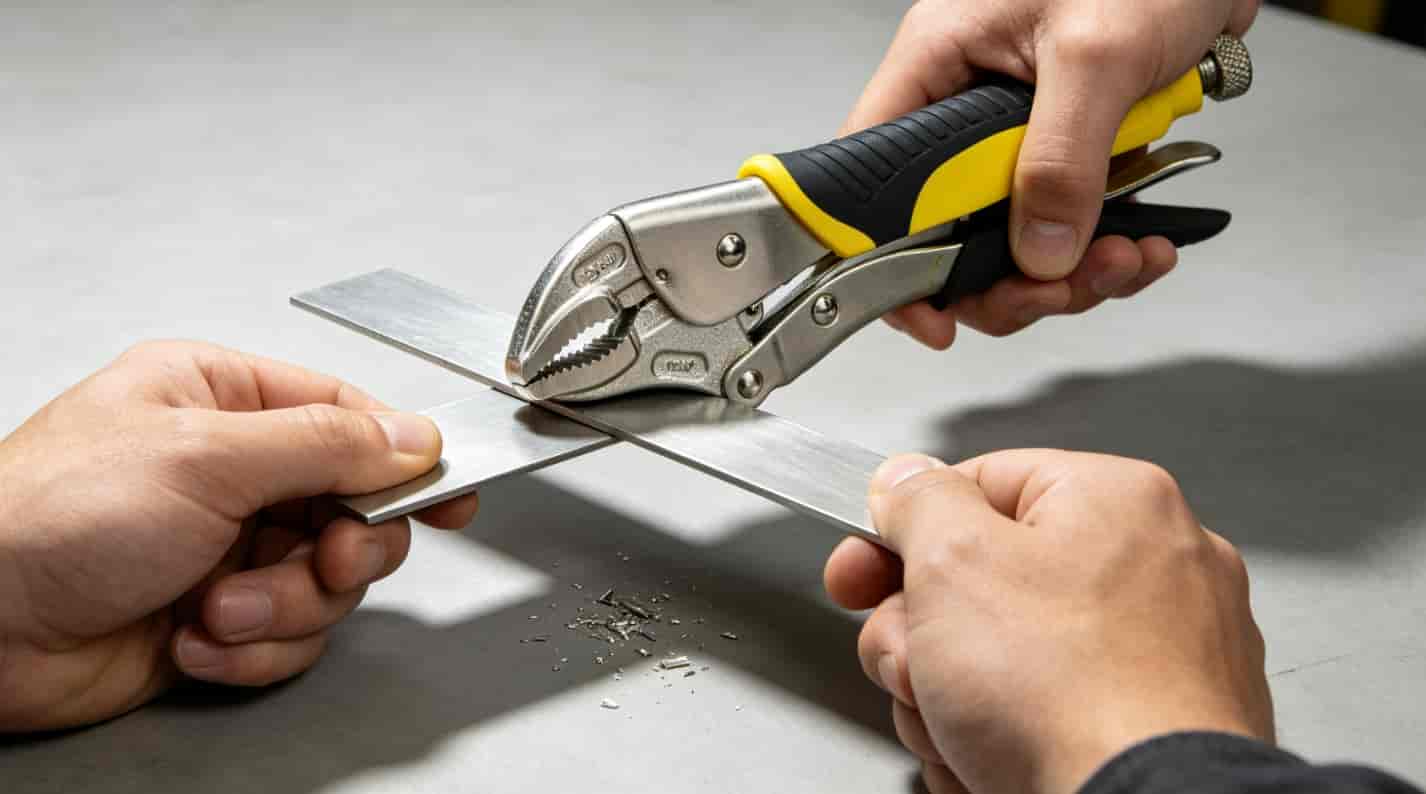
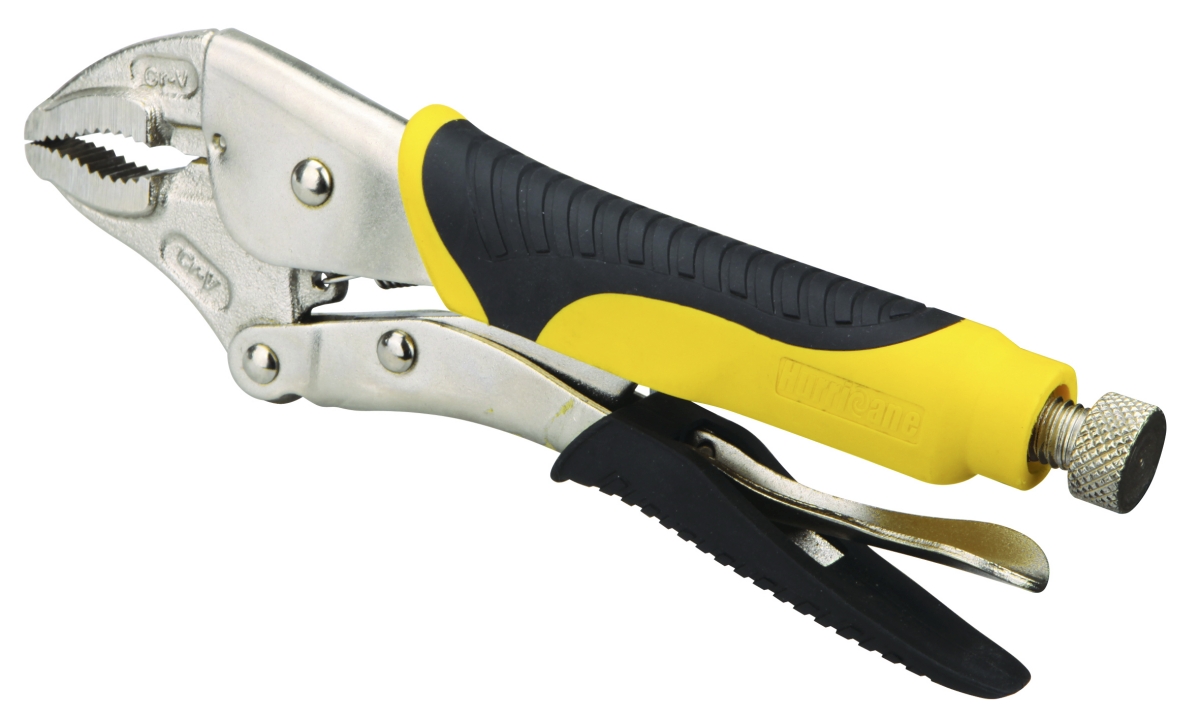
| Πλιάτσικα με κλείδωμα | Clamping materials | Automotive repair |
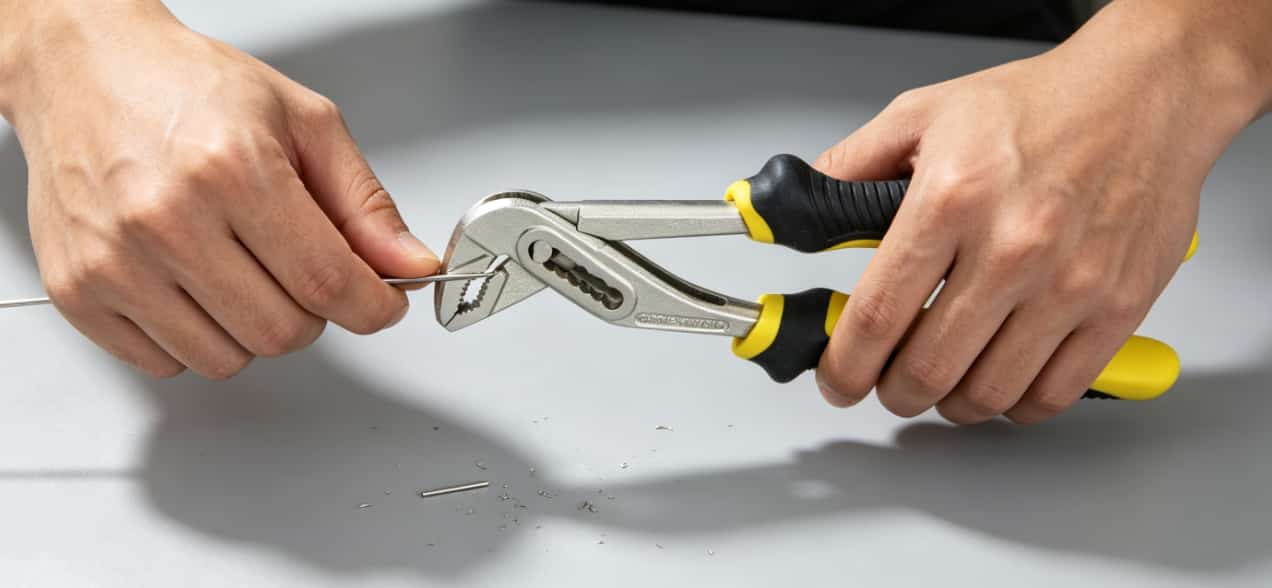
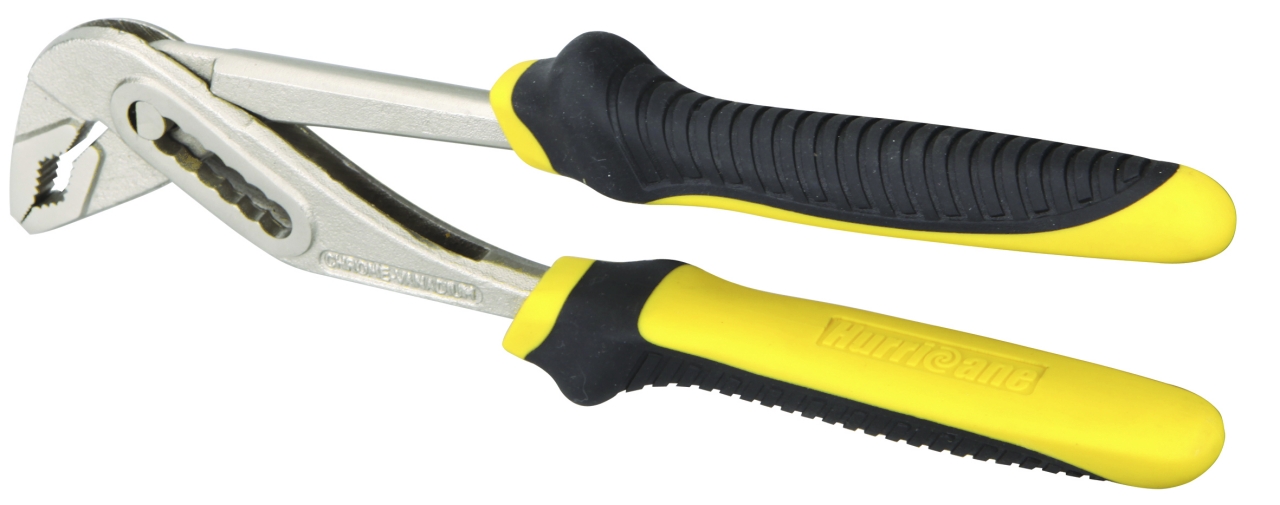
| Tongue-and-groove pliers | Pipe and plumbing work | Plumbing |
| Lineman’s pliers | Wire cutting and twisting | Electrical |
| Crimping pliers | Cable terminal compression | Telecommunications |
| Snapring pliers | Installing retaining rings | Automotive manufacturing |
Each design reflects decades of ergonomic and industrial optimization.
NeedleNose Pliers: Precision Engineering Applications
Needlenose pliers are among the most recognisable specialised pliers thanks to their elongated jaws and fine-tip control.
Their primary uses include:
- Accessing confined mechanical spaces
- Manipulating electrical wires
- Holding miniature components
- Forming loops in wire
In electronics manufacturing, precision is critical because excessive force may damage sensitive circuitry. Needlenose pliers solve this problem by concentrating control into narrow jaw tips.
Lineman’s Pliers and Electrical Work
Lineman’s pliers are heavy-duty tools that are primarily used by electricians. They combine gripping surfaces, cutting edges, and high leverage in a single design.
Main functions:
- Cutting electrical wire
- Twisting conductors together
- Pulling wire through conduit
- Crimping connectors
Modern lineman’s pliers often feature insulated handles that are rated for high-voltage applications, thereby improving worker safety.
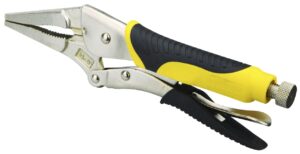
Locking Pliers and Industrial Clamping
Locking pliers, which are commonly associated with vicegrip mechanisms, enable users to clamp onto materials and maintain pressure without the need for continuous hand force.
Locking pliers are used in various industries for:
- Welding
- Automotive repair
- Pipe stabilisation
- Bolt extraction
Their locking mechanism increases operational efficiency during repetitive tasks.
How Are Pliers Used in Different Industries?
Electrical industry
Electricians use pliers for the following:
- Wire stripping
- Cable cutting
- Connector crimping
- Circuit installation
Precision and insulation are critical in this sector.
Automotive industry
Mechanics rely on pliers for:
- Hose clamp removal
- Retaining clip installation
- Fuel line adjustments
- Engine component manipulation
Automotive environments often require compact plier designs for limited-access areas.
Manufacturing industry
In factories, pliers are used for:
- Assembly line operations
- Metal fabrication
- Quality control adjustments
- Component positioning
Industrial-grade pliers must withstand repetitive use under high mechanical stress.
Jewellery and craft industries
Jewellery makers use specialised pliers for:
- Wire wrapping
- Stone setting
- Precision forming
These pliers prioritise fine control over raw force.
Materials Used in Pliers Manufacturing
High-quality pliers are engineered from advanced alloys to improve durability and cutting performance.
Common Manufacturing Materials
| Material | Benefit | Typical Application |
| Carbon steel | High strength | General pliers |
| Chrome vanadium steel | Corrosion resistance | Professional tools |
| Nickelchrome steel | Durability | Heavy-duty pliers |
| Hardened alloy steel | Cutting-edge retention | Industrial cutting pliers |
Material selection directly affects lifespan and operational reliability.
Ergonomics and Modern Pliers Design
Modern hand tool manufacturers are increasingly focusing on ergonomics, as repetitive manual tasks can lead to fatigue and musculoskeletal strain.
Key ergonomic improvements include:
- Cushioned grips
- Nonslip coatings
- Spring-loaded handles
- Reduced grip force requirements
- Weight balancing
Ergonomic pliers improve productivity while reducing the risk of injury in industrial settings.
Safety Considerations When Using Pliers
Improper plier use can cause the following:
- Hand injuries
- Electrical shock
- Material slippage
- Eye injuries from flying debris
Essential safety practices:
- Use insulated pliers for electrical work.
- Never use pliers as hammers.
- Avoid overloading cutting edges.
- Wear safety glasses during cutting operations.
- Match the type of pliers to the application.
OSHA guidelines emphasise that correct hand tool selection is a major factor in workplace safety.
Common Mistakes When Using Pliers
Many users misuse pliers, which reduces efficiency and increases the risk of accidents.
Frequent errors include:
- Using cutting pliers on hardened steel
- Applying excessive torque
- Using worn jaws
- Substituting pliers for wrenches
- Ignoring insulation ratings
Professional technicians understand that selecting the correct tool is critical for both safety and performance.
How to Choose the Right Pliers?
Selecting the correct pliers depends on several technical factors.
Selection Criteria
| Factor | Why It Matters |
| Jaw shape | Determines gripping capability |
| Cutting edge hardness | Affects wirecutting performance |
| Handle insulation | Essential for electrical safety |
| Tool size | Influences leverage and accessibility |
| Material quality | Determines durability |
Professionals often maintain multiple plier types for different applications.
Maintenance and Care of Pliers
Proper maintenance can significantly extend the lifespan of your tools.
Maintenance tips:
- Clean after exposure to moisture.
- Lubricate pivot joints regularly.
- Store in a dry environment.
- Sharpen cutting edges when necessary.
- Inspect insulation before electrical use.
Well-maintained pliers can remain functional for many years, even under heavy industrial usage.
Future Trends in Pliers Manufacturing
The hand tool industry is continuing to evolve thanks to advances in material science and ergonomic innovation.
Emerging trends include:
- Smart torque monitoring pliers;
- Lightweight composite handles;
- Anticorrosion nano coatings;
- Enhanced insulated designs;
- Sustainable manufacturing materials.
As industries prioritise efficiency and worker safety, plier design is becoming increasingly specialised and technologically advanced.
FAQ: Pliers
What are pliers mainly used for?
Pliers are mainly used for gripping, bending, twisting, cutting, and compressing materials such as wire, metal parts, and fasteners.
What are needlenose pliers used for?
Needlenose pliers are used for precision work in tight spaces, especially in electronics, jewelry making, and electrical applications.
Can pliers cut wire?
Yes. Many pliers include integrated cutting edges designed for cutting electrical wire, cables, and soft metals.
What are lineman’s pliers used for?
Lineman’s pliers are primarily used by electricians for cutting, twisting, and gripping electrical wires.
Are pliers considered hand tools?
Yes. Pliers are one of the most widely used categories of manual hand tools in industrial, commercial, and household applications.
What is the difference between pliers and cutters?
Pliers are multifunctional tools capable of gripping and manipulating materials, while cutters are designed mainly for cutting operations.
Are insulated pliers safe for electrical work?
Insulated pliers protect against electrical shock when properly rated and used within specified voltage limits.
Συμπέρασμα
Pliers are among the most versatile and essential tools in industrial and everyday environments. Their ability to grip, cut, bend, twist, compress and manipulate materials makes them indispensable in a range of industries, including electrical engineering, automotive repair, manufacturing and precision craftsmanship.
Modern pliers are much more than simple hand tools. Thanks to advances in metallurgy, ergonomics, insulation technology, and precision engineering, they have been transformed into specialised instruments optimised for specific industrial tasks. Whether they are being used on high-voltage electrical systems, in confined mechanical assemblies, or for delicate electronic repairs, pliers continue to provide unmatched adaptability and mechanical control.
Understanding the uses of pliers ultimately means understanding how modern industries rely on manual precision. Even in an increasingly automated world, the importance of high-quality, application-specific pliers remains stronger than ever.