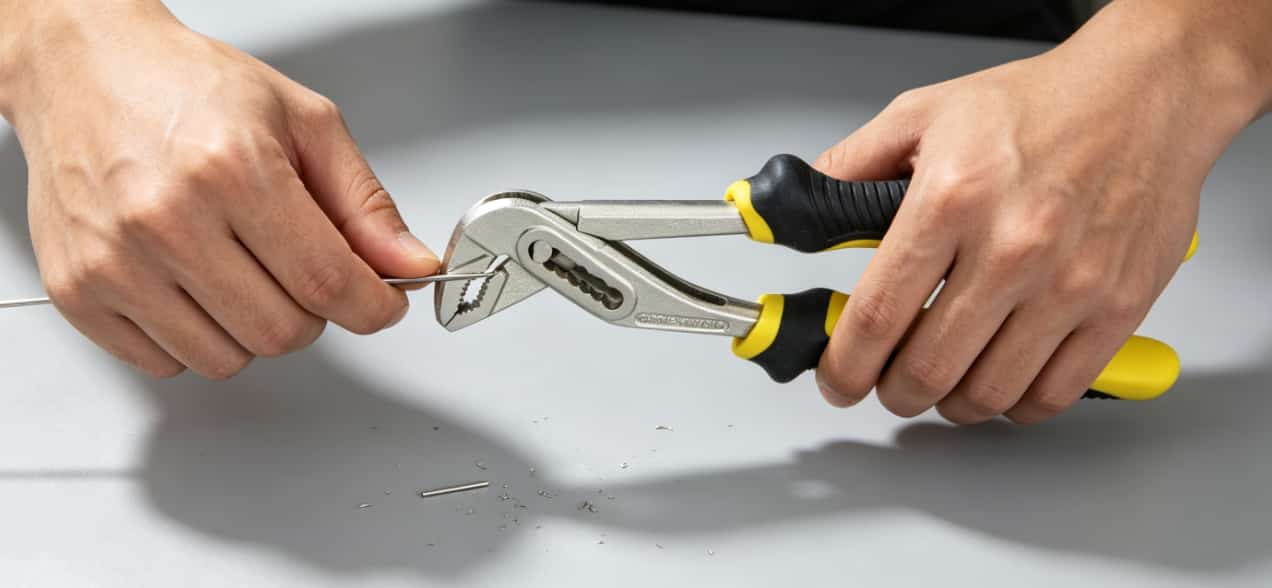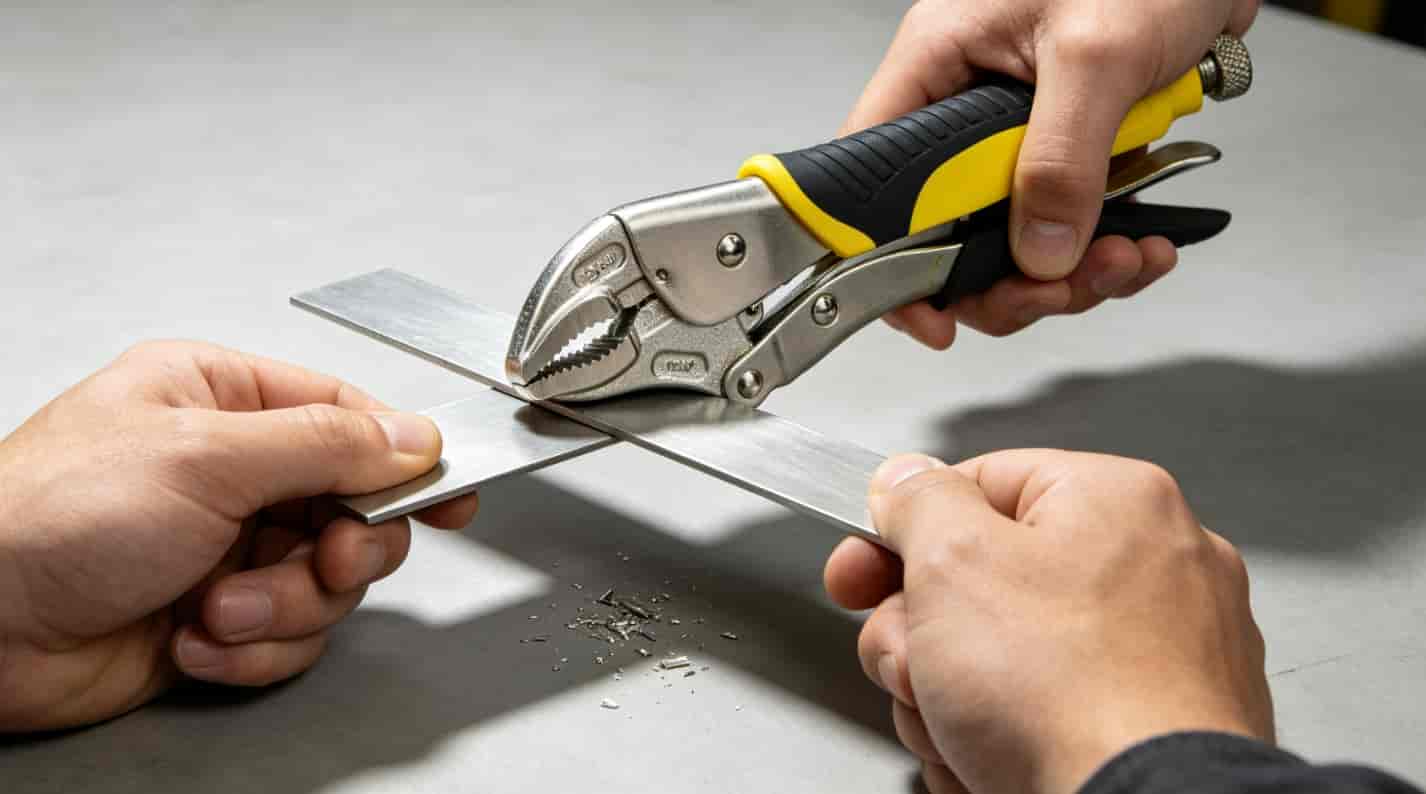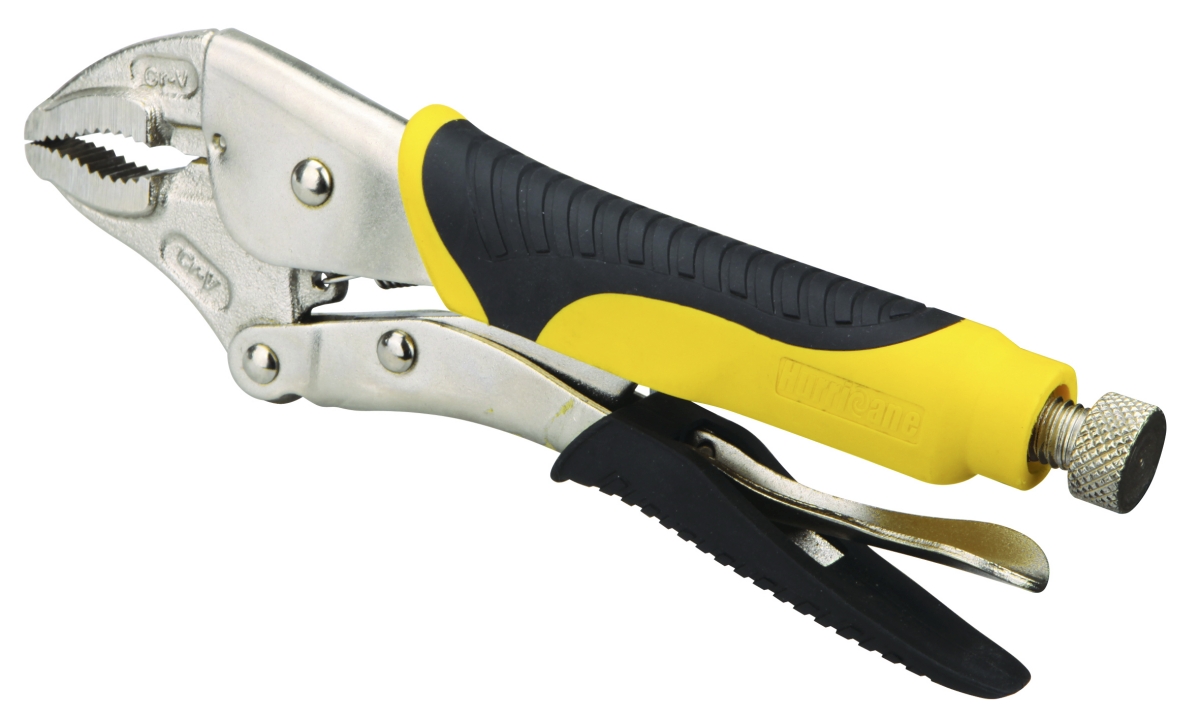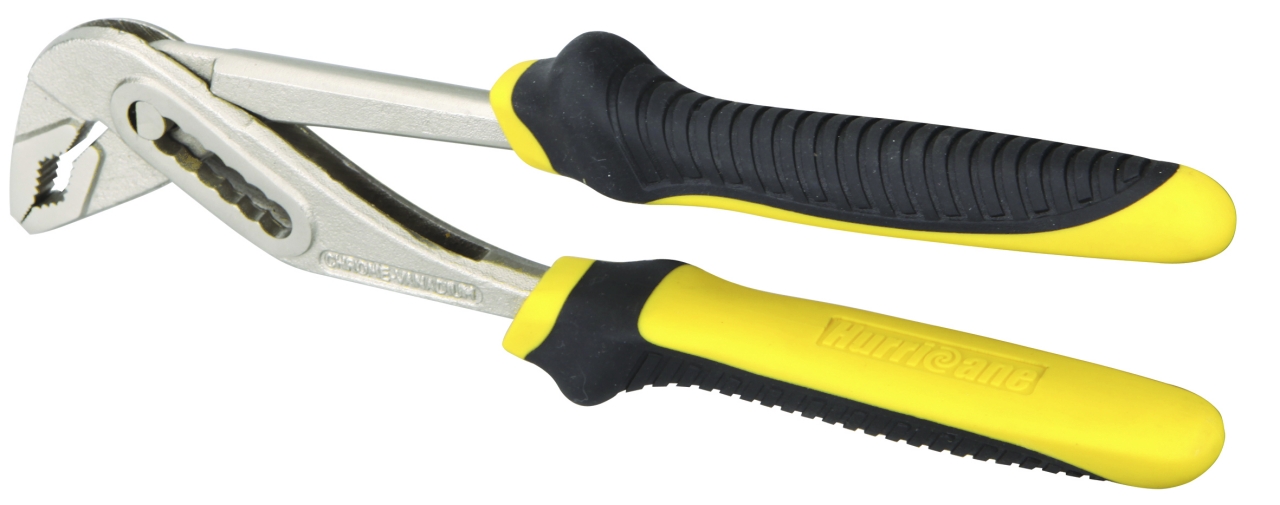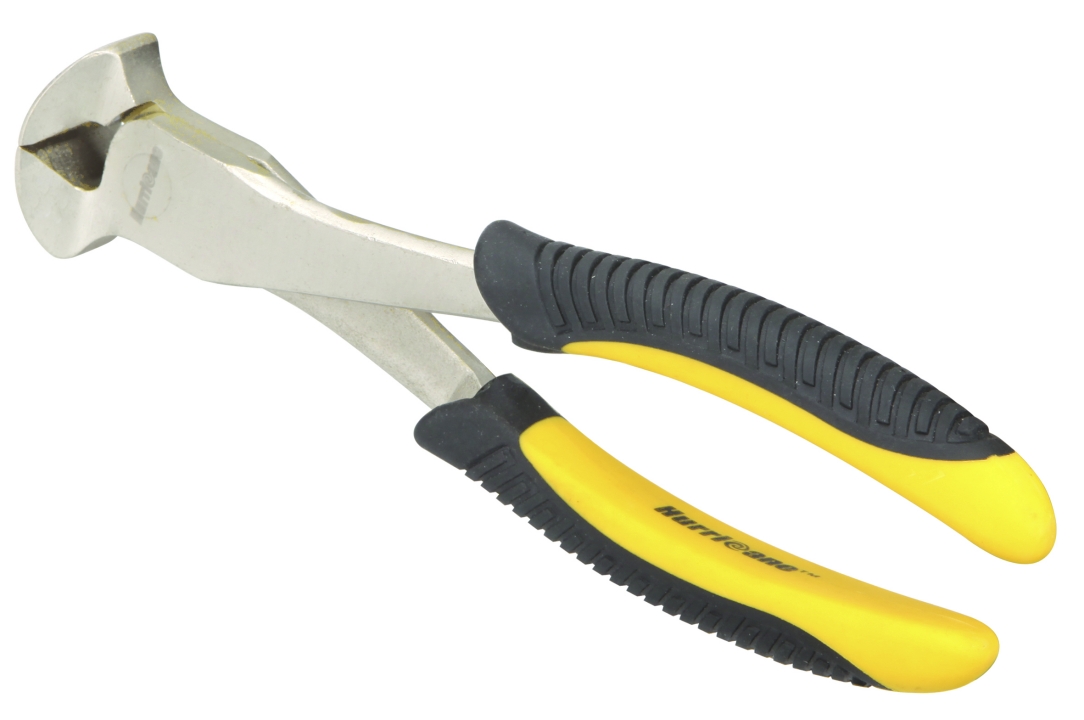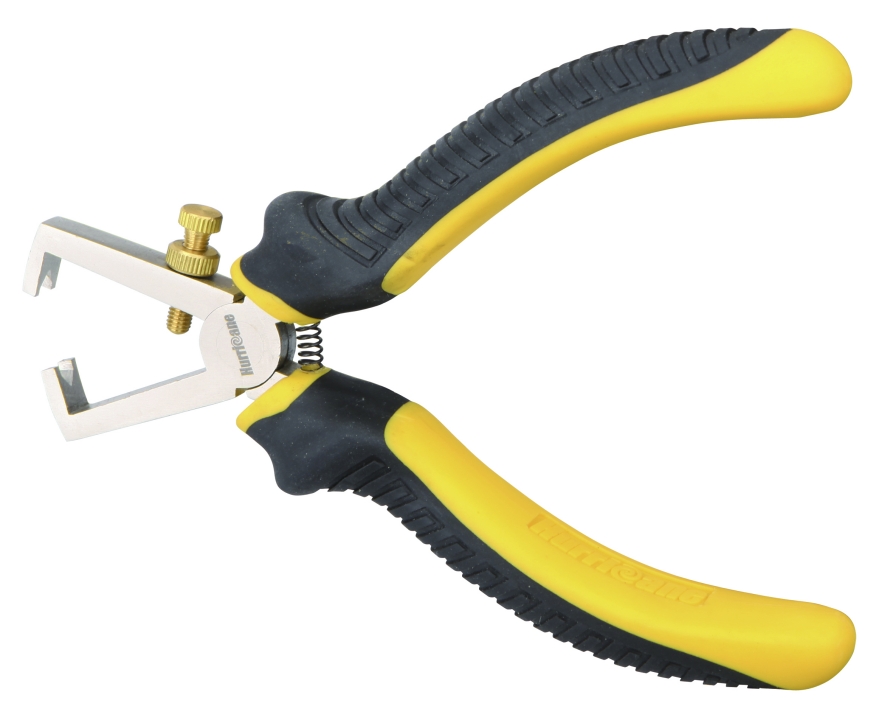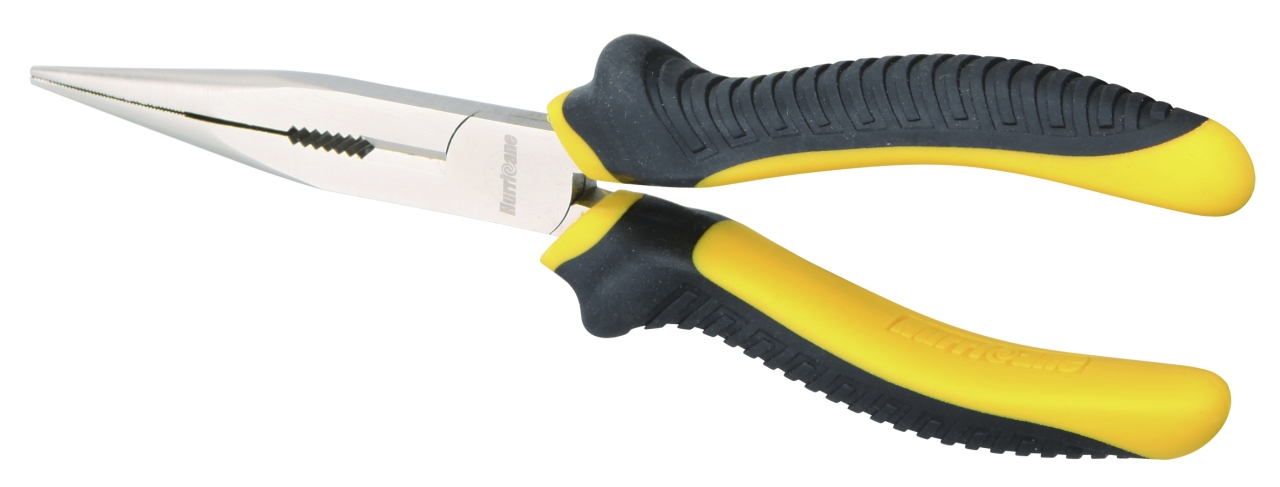
Long nose pliers, also known as needle nose pliers, are precision hand tools designed for gripping, bending, cutting, positioning, and manipulating small objects in narrow or hard-to-reach spaces.
According to references in mechanical hand tool engineering and industrial maintenance standards, their elongated, tapered jaws provide enhanced control and fine-point access for electrical work, electronics assembly, jewellery making, automotive repair, and industrial maintenance, as well as offering mechanical leverage.
Studies in ergonomic tool design and professional workshop efficiency have shown that properly designed longnose pliers improve precision handling, reduce operator fatigue, and increase safety during delicate mechanical operations.
Why Long Nose Pliers Remain Essential in Modern Mechanical and Electrical Work?
Of all the traditional hand tools used in modern workshops, electrical systems, industrial maintenance environments, and mechanical assembly operations, longnose pliers continue to occupy a uniquely important position. Despite the rapid growth of automation, robotic assembly, CNC machining, and powered tools, skilled technicians and engineers still rely heavily on these precision tools because many industrial tasks require manual manipulation with a level of control that machines cannot easily replicate.
Long nose pliers are important because they combine gripping force, precision handling, accessibility in narrow spaces, controlled bending capability, cutting functionality, and delicate manipulation. Unlike standard pliers, which prioritise overall gripping power, long-nose pliers are specifically engineered for precise access in confined spaces. Their slim, tapered jaws enable users to reach behind components, hold tiny fasteners, manipulate electrical wires, bend soft metals, position connectors, and remove small objects from restricted assemblies.
In modern industrial environments, compact product design has become the norm. Electronics, automotive systems, communication equipment, medical devices, and industrial automation machinery now have highly compact internal structures with limited working space. As these systems become smaller and more densely integrated, technicians require tools that can operate inside narrow spaces without damaging adjacent components.
Longnose pliers are extensively used in the following areas:
- electrical engineering
- electronics manufacturing
- telecommunications
- automotive maintenance
- aerospace assembly
- mechanical repair
- jewellery production
- laboratory work
- DIY maintenance
- industrial automation systems
Modern longnose pliers are far more advanced than earlier handtool designs. High-quality industrial models now incorporate induction-hardened cutting edges, ergonomic anti-slip handles, corrosion-resistant coatings, precision-machined jaws, insulated electrical protection, spring-return mechanisms, and high-carbon alloy steels.
Professional users increasingly demand tools that deliver greater durability, higher gripping precision, reduced hand strain, electrical safety compliance, improved cutting performance, and a longer operational lifespan.
Manufacturers continue to refine longnose plier engineering to support modern industrial needs, where precision, safety, and reliability are critical.
Therefore, understanding what longnose pliers are used for requires more than simply describing them as ‘gripping tools’. Their design represents a carefully engineered balance between leverage mechanics, jaw geometry, material hardness, ergonomic efficiency, force transmission, and precision accessibility.
What Are Long Nose Pliers?
Longnose pliers are specialised hand tools with elongated, narrow jaws designed for precise gripping and manipulation in confined spaces.
They are also known as needlenose, pointnose, or radio pliers. The defining feature is their long, tapered nose, which allows users to access areas where larger tools cannot operate effectively.
Basic structure of long nose pliers
A standard long nose plier consists of:
- jaws
- a pivot joint
- handles
- cutting edges (in many models)
- gripping teeth
The jaws may be:
- straight
- bent
- angled
- extralong
- serrated
- smooth
Different jaw designs support different industrial applications.
Primary Uses of Long Nose Pliers
Longnose pliers are used for a wide variety of precision tasks.
- Gripping small components
One of their primary functions is to securely hold small components such as screws, wires, connectors, pins, fasteners, and clips. Their narrow jaws provide excellent control over small objects.
- Working in tight spaces
Modern machinery often has restricted working areas.
Longnose pliers allow technicians to reach behind panels, access narrow cavities, and manipulate hidden components.
- Bending wire
Electricians and electronics technicians frequently use longnose pliers to form wire loops, bend connectors, and shape conductors.
- Cutting wire
Many longnose pliers have integrated cutting blades for trimming wires, cutting leads, and removing damaged conductors.
- Retrieving small objects
They are ideal for removing dropped screws, broken components, and trapped objects.
Why Are Long Nose Pliers Important in Electrical Work?
Long nose pliers are used in a wide range of electrical applications.
- Precision wire handling
Electricians use them for:
- Terminal preparation
- Wire routing
- Connector positioning
- Electrical safety
Professional insulated pliers reduce the risk of electric shock during live electrical work.
- Compact equipment access
Modern electrical panels and electronic assemblies often contain dense wiring, compact terminals, and sensitive components. Longnose pliers provide safe access without damaging the surrounding parts.
Common Types of Long Nose Pliers
Different industries require different plier configurations.
| Type | Main Feature | Typical Application |
| Straight Nose Pliers | Direct access | General repair |
| Bent Nose Pliers | Angled jaws | Restricted spaces |
| ExtraLong Nose Pliers | Extended reach | Automotive repair |
| Insulated Long Nose Pliers | Electrical protection | Electrical work |
| Mini Precision Pliers | Finepoint control | Electronics |
Materials Used in Long Nose Pliers Manufacturing
Tool material strongly affects durability and performance.
| Material | Main Properties | Benefits |
| Carbon Steel | High strength | Costeffective |
| Χάλυβας Χρωμίου Βαναδίου | Wear resistance | Long service life |
| Stainless Steel | Corrosion resistance | Marine applications |
| Ανοξείδωτο Αλουμινοχάλυβας | Toughness and hardness | Heavy-duty industrial use |
High-end industrial pliers often use heat-treated chrome vanadium steel for superior cutting and gripping performance.
How do Long Nose Pliers Work?
Its working principle is based on mechanical leverage.
- Lever force amplification
The handles act as force multipliers.
Small hand force is converted into a larger gripping force at the jaws.
- Precision jaw alignment
The tapered jaws allow for precise positioning.
- Friction and surface grip
Serrated jaw surfaces improve holding capability.
Long Nose Pliers vs Standard Pliers
Although both are gripping tools, they serve different purposes.
| Feature | Κόπια με μακρύ κοφτερό | Standard Pliers |
| Jaw Shape | Long and narrow | Short and wide |
| Precision | High | Moderate |
| Reach Capability | Excellent | Περιορισμένο |
| Gripping Power | Moderate | High |
| Best Use | Fine work | General gripping |
Industrial Applications of Long Nose Pliers
- Electronics industry
Used for:
- PCB assembly
- Wire handling
- Component installation
- Automotive industry
Technicians use them for:
- Hose clips
- Electrical connectors
- Spring manipulation
- Jewellery manufacturing
Useful for: delicate shaping, precision bending, chain handling
- Telecommunications
Used for: cable management, connector repair, and wiring systems.
Ergonomic Design in Modern Long Nose Pliers
Modern tools are increasingly designed with user comfort in mind.
- Anti-slip handles improve grip control in oily environments.
- Spring-loaded mechanisms reduce repetitive hand fatigue.
- Lightweight construction improves long-duration usability.
- Softgrip materials enhance comfort during continuous work.
Cutting Performance and Edge Technology
Many longnose pliers have integrated cutting edges.
- Induction-hardened cutters
Benefits:
- Improved edge durability
- Enhanced cutting precision
- Extended lifespan
- Applications for cutting wire
Suitable for:
- Copper wire
- Aluminium wire
- Soft steel wire
Some heavy-duty models can cut hardened wire.
Safety Considerations When Using Long Nose Pliers
Improper use may result in injury or damage to the tool.
- Avoid excessive force.
Longnose pliers are not designed for heavy prying, hammering, or high-torque twisting.
- Electrical safety
Use insulated models for electrical systems.
- Eye protection
Cutting wires may create flying debris.
Maintenance of Long Nose Pliers
Proper maintenance can significantly extend the life of a tool.
- Cleaning
Remove oil, dirt, and corrosion.
- Lubrication
Lubricate the pivot joints regularly.
- Storage
Store in a dry environment to prevent rust.
- Jaw inspection
Check for misalignment, edge wear, and cracks.
How Modern Manufacturing Improves Long Nose Pliers?
Advanced production technologies now improve dimensional precision, jaw alignment, hardness consistency, and corrosion resistance.
Manufacturers increasingly use:
- CNC machining
- precision forging
- laser heat treatment
- advanced surface coatings
These technologies enhance:
- durability
- gripping efficiency
- cutting accuracy
- ergonomic performance
Why Long Nose Pliers Remain Essential Despite Automation?
Even with robotic manufacturing and automated assembly systems, long nose pliers remain indispensable, as many repair and adjustment tasks require human precision, tactile feedback, flexible positioning, and controlled manipulation. No fully automated system can replace the need for skilled manual handling in maintenance and precision assembly operations.
Choosing the Right Long Nose Pliers
Several factors should be taken into consideration.
- Jaw length
Longer jaws improve reach.
- Material quality
Chrome vanadium steel offers excellent durability.
- Handle design
Ergonomic handles improve comfort.
- Insulation requirements
Electrical applications require insulated models.
- Cutting capacity
Select according to the type and diameter of the wire.
FAQ About Long Nose Pliers
- What are long nose pliers mainly used for?
They are primarily used for gripping, bending, positioning, and cutting small objects in tight spaces.
- Are long nose pliers good for electrical work?
Yes. They are widely used for wire handling, connector positioning, and electrical repairs.
- Can long nose pliers cut wire?
Many models include built-in cutting edges suitable for soft and medium-hard wire.
- What is the difference between needle nose pliers and long nose pliers?
The terms are often used interchangeably, although needle nose pliers may refer to finer, sharper-tip versions.
- Are insulated long-nose pliers safer?
Yes. Insulated models help protect users during electrical work.
- What material is best for long nose pliers?
Chrome vanadium steel is commonly preferred for its strength, wear resistance, and durability.
Συμπέρασμα
Longnose pliers are one of the most versatile and indispensable precision hand tools used in electrical work, electronics assembly, automotive repair, industrial maintenance, telecommunications, jewellery production, and mechanical engineering. Their elongated, tapered jaws enable technicians and engineers to grip, bend, cut, position, and manipulate components in confined or hard-to-reach spaces with exceptional control and precision. Modern longnose pliers combine leverage mechanics, ergonomic design, and high-strength materials to provide an effective balance between accessibility, durability, and operational accuracy.
As industrial systems become more compact and technologically advanced, the importance of precision hand tools such as longnose pliers continues to grow. Innovations in ergonomic engineering, alloy steel manufacturing, insulation technology, and cutting-edge hardening processes have significantly enhanced their performance, safety, and durability. Whether used for delicate electronics repair or in demanding industrial maintenance environments, longnose pliers are essential tools that support efficiency, safety, and precision in modern technical work.