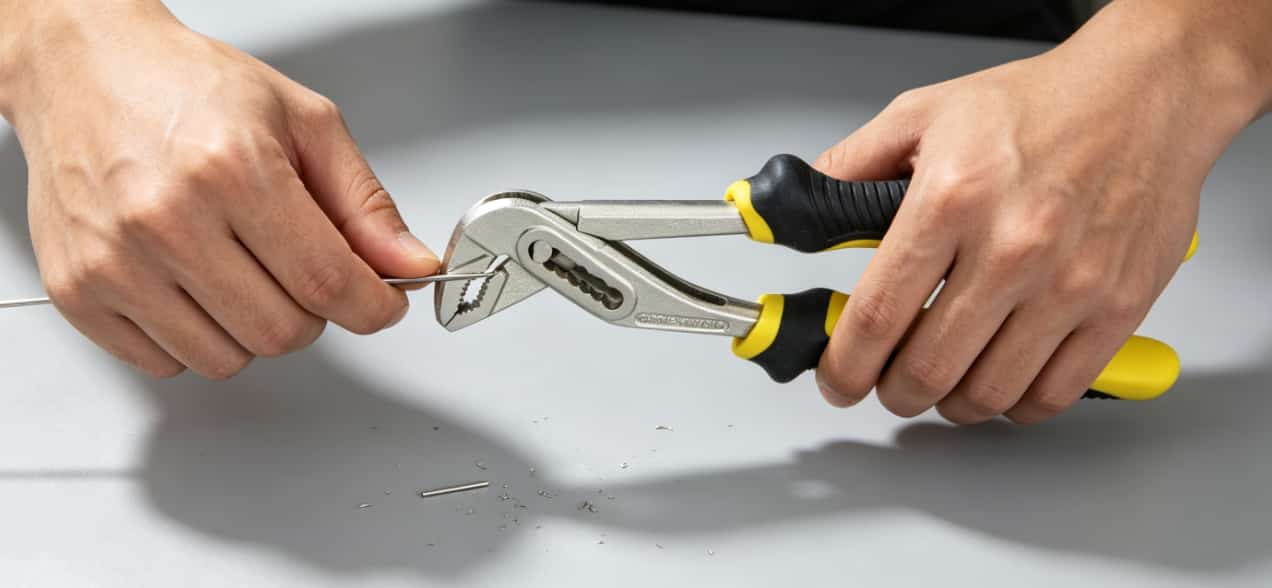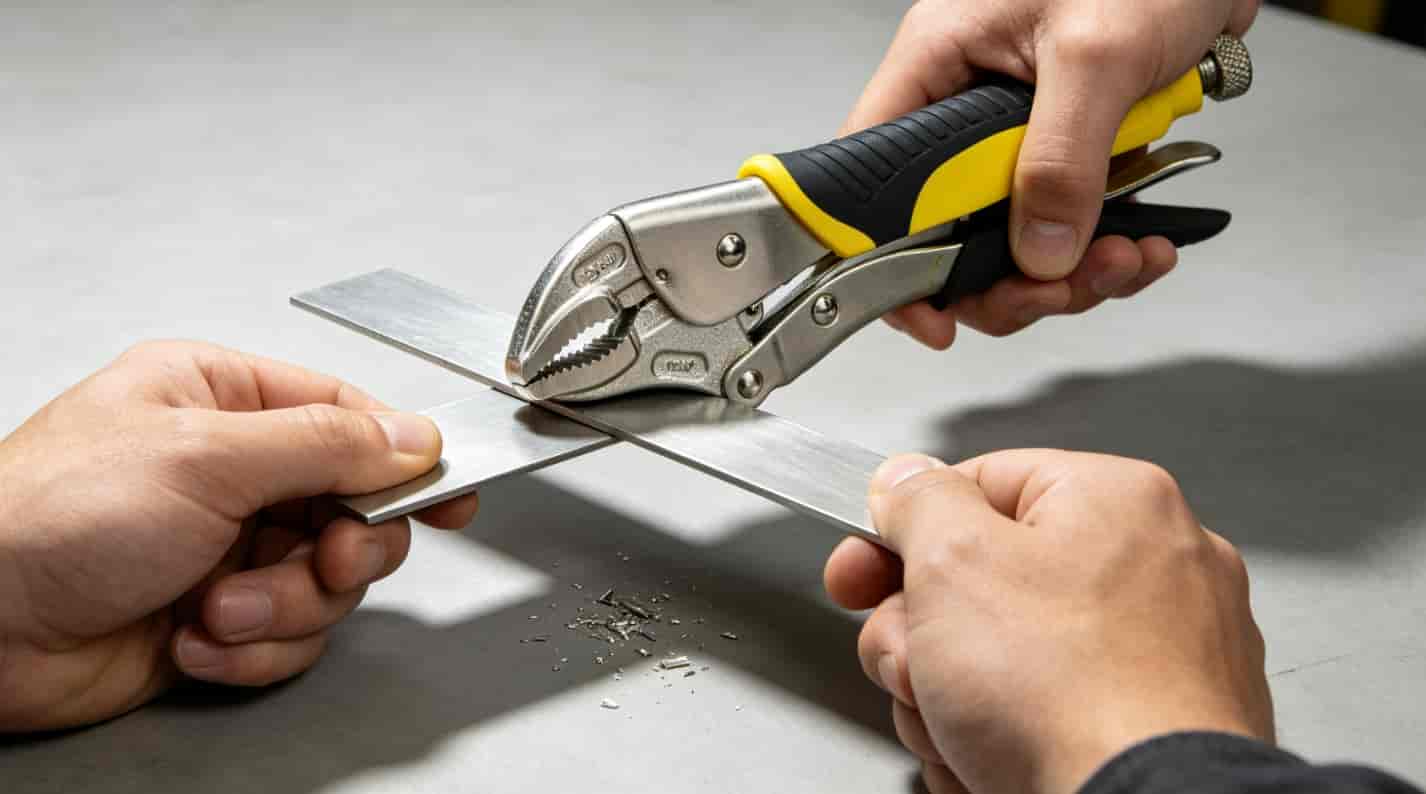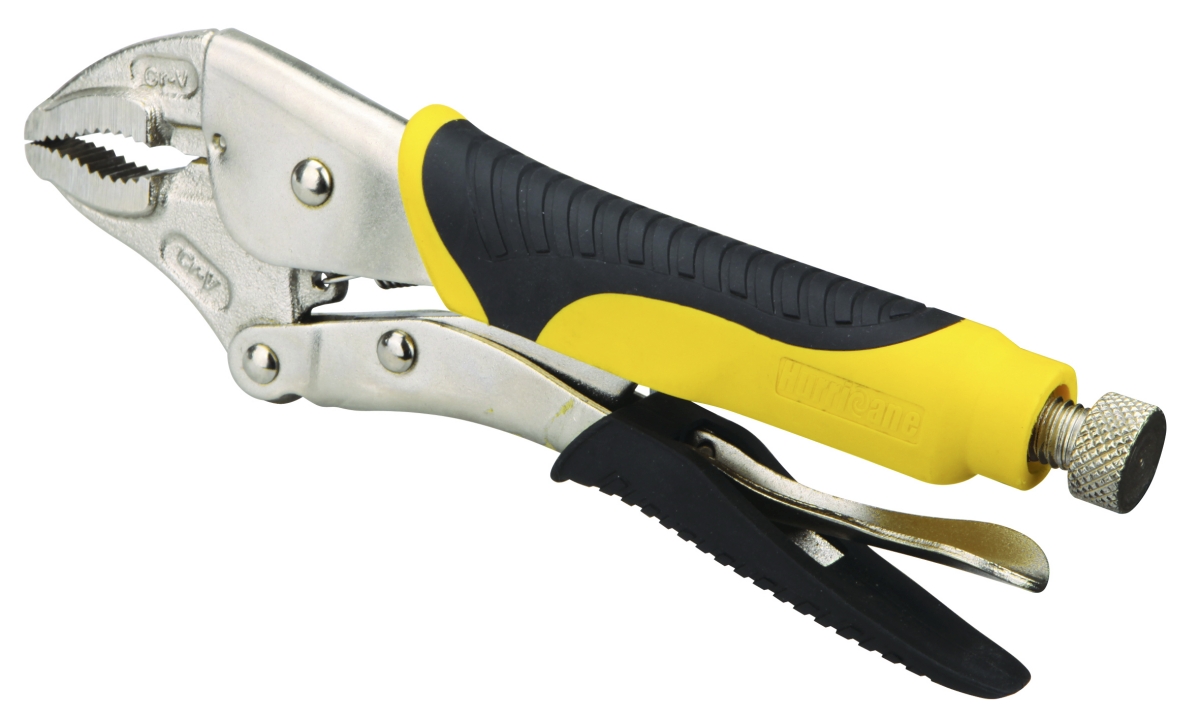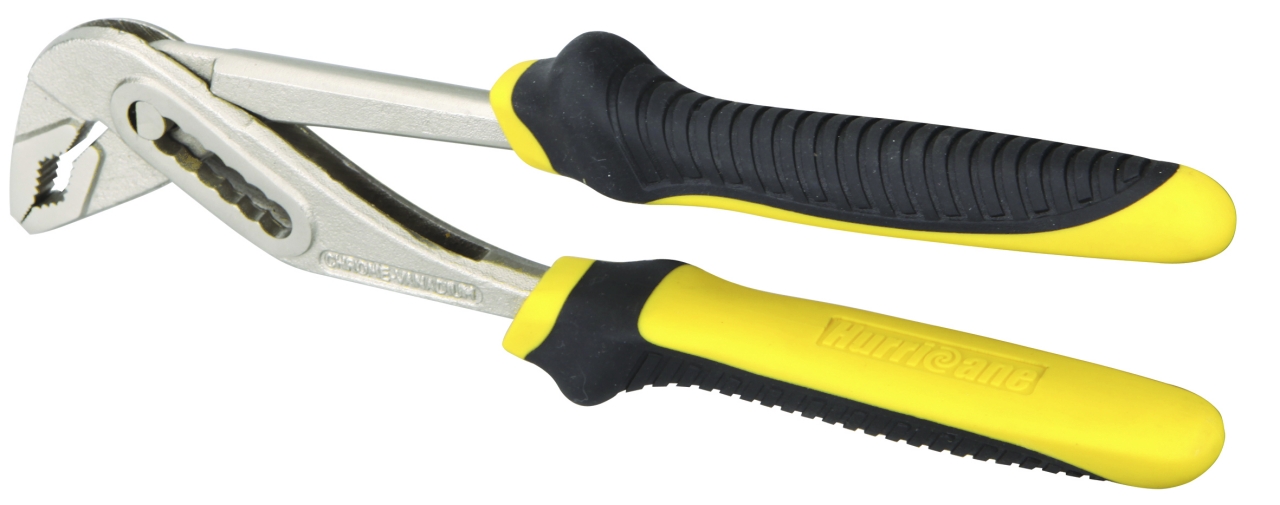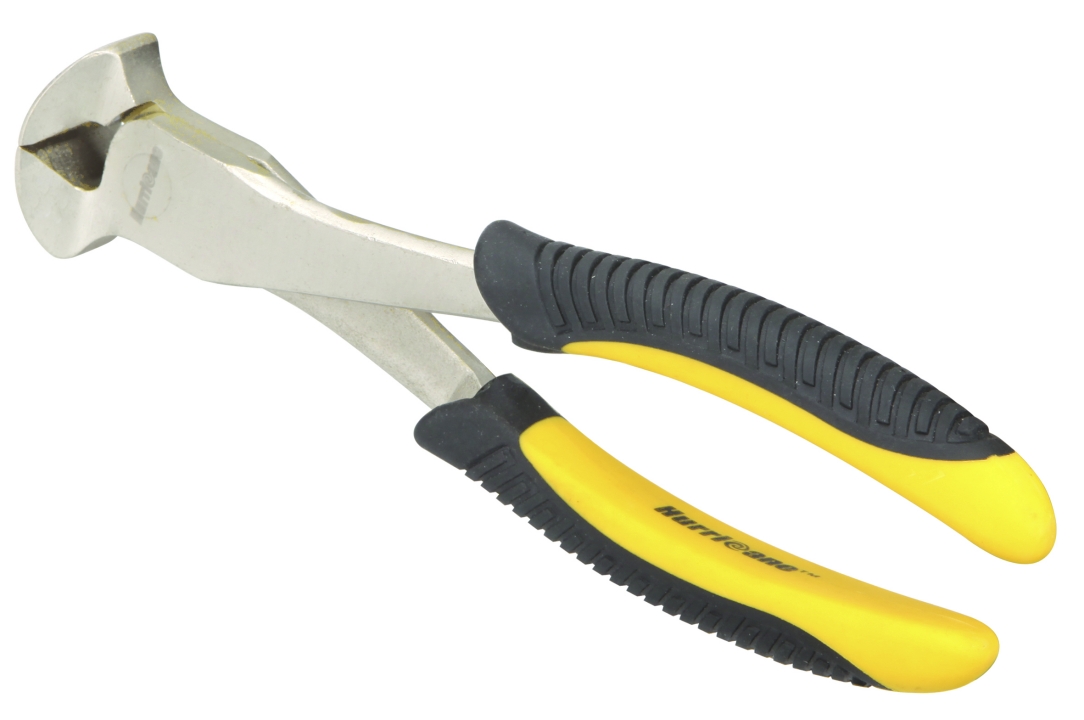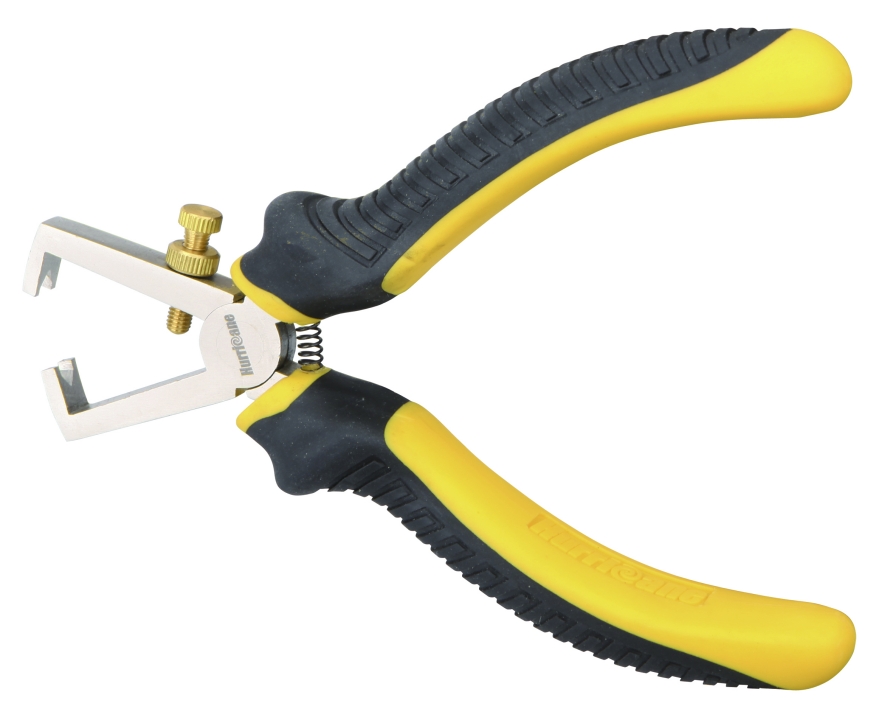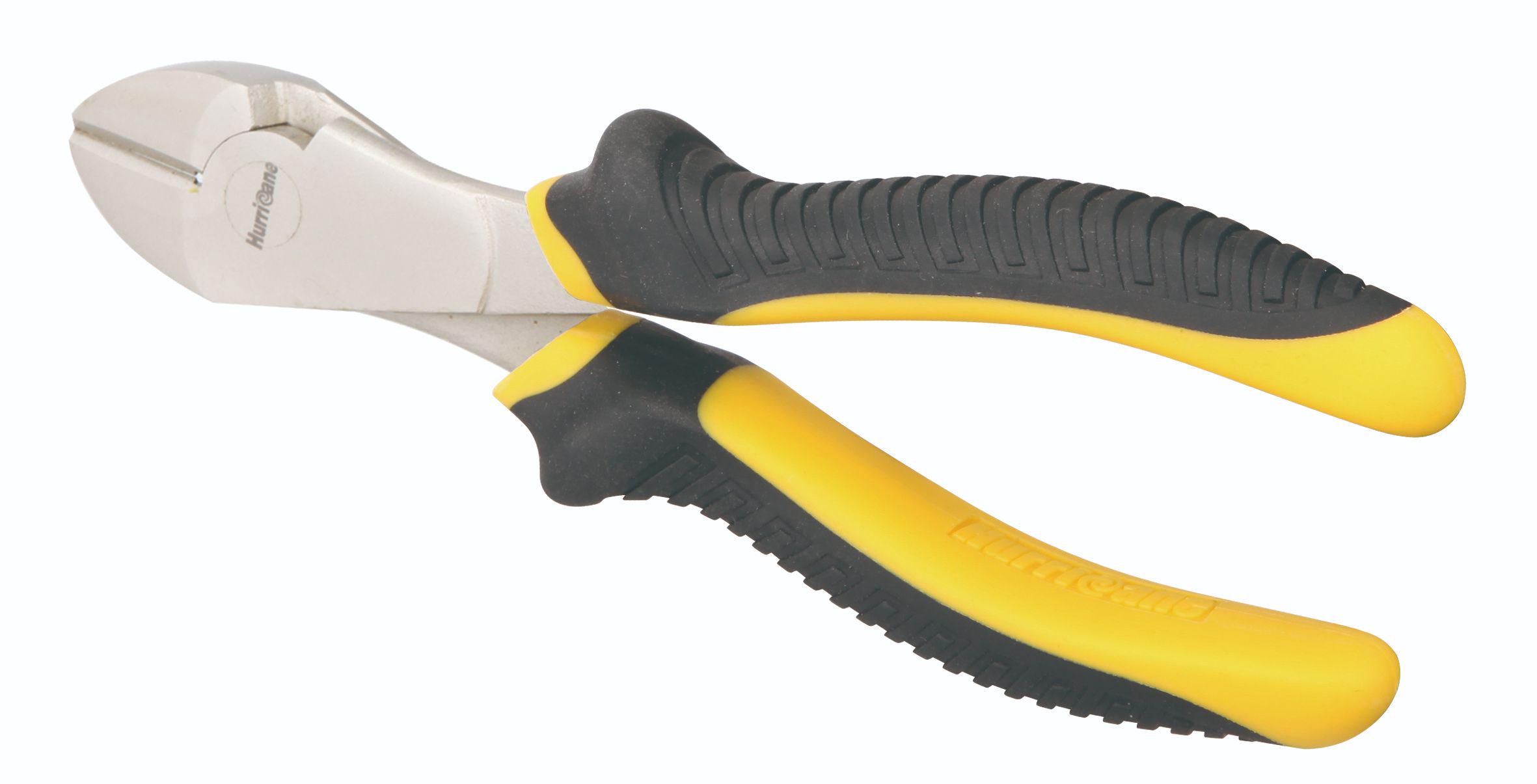
Side cutters and diagonal cutters are closely related cutting tools used in electrical work, electronics assembly, industrial maintenance, and mechanical applications. However, they differ in terms of cutting angle, jaw geometry, accessibility, and intended use.
According to technical references from the American Society of Mechanical Engineers and the Institute of Electrical and Electronics Engineers, diagonal-cutting pliers are designed with angled cutting edges that enable flush or semi-flush cuts in confined spaces. In contrast, side cutters are cutting tools that remove material from the side of a workpiece. Understanding these differences helps professionals select the proper tool for ensuring safety, achieving cutting efficiency, and carrying out precise work.
Introduction: Why Understanding the Difference Matters
Cutting tools play a critical role in ensuring productivity and workmanship quality in industrial manufacturing, electrical installation, electronics repair, automotive maintenance, telecommunications infrastructure, and precision mechanical assembly. The most commonly used hand tools are side cutters and diagonal cutters. Although many users use these terms interchangeably, there are important distinctions between them.
The confusion largely stems from historical terminology. In many countries, ‘side cutters’ is a broad term that includes diagonal-cutting pliers, whereas in professional tool catalogues, diagonal cutters are classified as a specific category with a defined cutting-edge geometry. Using the incorrect cutter can result in poor cutting performance, damaged workpieces, accelerated tool wear, and even operator injury.
Modern industries increasingly demand precision cutting solutions. Electricians require clean cuts on copper conductors. Electronics technicians need to trim component leads accurately. Manufacturers must efficiently remove excess wire, cable ties, and metal pins. Each application places different demands on cutting tools.
As industries adopt higher precision and safety standards, it is becoming increasingly important to understand the design and function of diagonal-cutting pliers. This guide explores the structural differences, cutting mechanisms, advantages, applications, material considerations, and selection criteria that distinguish side cutters from diagonal cutters.
What Are Side Cutters?
Side cutters are cutting tools designed to cut material from the side of a workpiece. The term is often used broadly to describe various types of cutting pliers whose cutting edges are positioned on the side of the jaw rather than at the tip.
Traditionally, side cutters are used for:
- Cutting electrical wires
- Trimming cable ties
- Removing pins
- Cutting plastic components
- General maintenance work
- Industrial assembly operations
The design typically consists of:
- Two handles
- A pivot joint
- Hardened cutting edges
- Ergonomic grips
Unlike straight cutting tools, such as end cutters, side cutters allow operators to approach materials from an angle.
The primary benefits include:
- Improved accessibility
- Faster cutting
- Better visibility
- Enhanced leverage
The following table summarizes common side cutter characteristics.
| Feature | Side Cutter Characteristics |
| Cutting position | Side of the jaw |
| Typical materials | Wire, plastic, soft metal |
| Accessibility | Good |
| Precision | Moderate to high |
| Common industries | Electrical, maintenance, assembly |
| User level | General and professional |
Many modern side cutters are made from high-carbon steel, chrome vanadium steel, or alloy steel to improve durability and cutting performance.
As the term ‘side cutters’ is often used as an umbrella term, diagonal cutters are often included in this classification.
What Are Diagonal-cutting Pliers?
Alicates de corte diagonal are a specialised type of side cutter, characterised by cutting edges that are angled relative to the handles.
It is the angled jaw geometry that defines diagonal cutters.
This design allows operators to:
- Reach confined spaces
- Cut closer to surfaces
- Improve cutting precision
- Reduce obstruction during operation
Diagonal-cutting pliers are widely used in:
- Electrical installations
- Electronics assembly
- Aerospace manufacturing
- Telecommunications
- Automotive repair
- Precision engineering
The angled cutting head provides superior access when working around:
- Circuit boards
- Wiring harnesses
- Control panels
- Electronic components
The following table illustrates the key design features of diagonal-cutting pliers.
| Feature | Alicates de corte diagonal |
| Jaw angle | Angled |
| Cutting precision | High |
| Flush cutting ability | Excellent |
| Confined-space access | Excellent |
| Wire trimming | Excellent |
| Electronics applications | Ideal |
One major advantage of diagonal-cutting pliers is that they can perform near-flush cuts, leaving minimal protruding material.
This is particularly important for:
- PCB assembly
- Cable management
- Electrical wiring
- Product finishing
The angled cutting edges also improve operator ergonomics by allowing for a more natural hand position.
Structural Differences Between Side Cutters and Diagonal Cutters
Although they look similar, side cutters and diagonal cutters have significantly different geometries and performance characteristics.
The most obvious distinction is the orientation of the cutting edge.
While a side cutter may have relatively straight cutting alignment, diagonal-cutting pliers incorporate an angled cutting face that is specifically designed for accessibility and precision.
The following comparison table highlights the main differences.
| Feature | Side Cutter | Diagonal Cutter |
| Jaw geometry | Straight or semistraight | Angled |
| Precision work | Moderate | High |
| Flush cutting | Limitado | Excellent |
| Electronics use | Suitable | Preferred |
| Access to tight spaces | Good | Excellent |
| Cutting visibility | Good | Better |
Another important difference is the optimisation of leverage.
Diagonal cutters often concentrate cutting force more efficiently at the cutting edge.
This enables cleaner cuts on:
- Copper wire
- Aluminium wire
- Soft steel wire
- Electronic leads
In precision applications, the difference becomes especially noticeable.
Electronic manufacturing facilities often specify diagonal-cutting pliers because of their superior trimming performance and consistent cut quality.
How Diagonalcutting Pliers Work?
Diagonal-cutting pliers operate based on mechanical leverage.
When the user squeezes the handles, the force is transmitted via the pivot joint to the cutting edges.
The mechanical advantage generated by the length of the handles significantly multiplies the applied force.
The cutting process involves:
- Material positioning
- Jaw closure.
- Stress concentration
- Material fracture
- Cut completion
The angled cutting edges concentrate force into a smaller contact area.
This improves:
- Cutting efficiency
- Precision
- Surface accessibility
Modern diagonal-cutting pliers typically feature induction-hardened cutting edges.
Benefits include:
- Longer service life
- Reduced wear
- Improved edge retention
- Better cutting consistency
Advanced industrial models may incorporate optimised jaw profiles to further enhance performance.
Applications of Diagonalcutting Pliers Across Industries
The versatility of diagonal-cutting pliers makes them indispensable in many different industries.
- Electrical industry
Electricians use diagonal cutters for:
- Wire trimming
- Cable preparation
- Panel installation
- Conductor removal
Clean cuts improve connection reliability and reduce installation time.
- Electronics manufacturing
Electronic assembly requires extremely precise trimming.
Diagonal-cutting pliers are commonly used for:
- Component lead cutting
- PCB assembly
- Prototype development
- Device repair
- Automotive industry
Technicians use them for:
- Wiring harness maintenance
- Cable tie removal
- Connector servicing
- Telecommunications
Applications include:
- Fibre installation support
- Signal cable preparation
- Equipment maintenance
The following table summarizes industry usage.
| Industry | Typical Application |
| Electrical | Wire cutting |
| Electronics | Lead trimming |
| Automotive | Harness repair |
| Aerospace | Precision assembly |
| Telecommunications | Cable preparation |
| Manufacturing | General assembly |
Because of their versatility, Diagonalcutting Pliers remain among the most frequently used hand tools in industrial environments.
Materials That Can Be Cut with Diagonalcutting Pliers
Material compatibility is an important consideration when selecting cutting tools.
Standard diagonal-cutting pliers are suitable for:
- Copper wire
- Aluminium wire
- Plastic ties
- Soft steel wire
- Electronic leads
Heavy-duty models may handle:
- Piano wire
- Hardened wire
- Spring steel
The following table provides guidance.
| Material | Standard Model | HeavyDuty Model |
| Copper wire | Yes | Yes |
| Aluminum wire | Yes | Yes |
| Plastic | Yes | Yes |
| Soft steel | Yes | Yes |
| Hardened steel | Limitado | Yes |
| Piano wire | No | Yes |
Using cutters beyond their rated capacity can cause:
- Edge chipping
- Jaw deformation
- Reduced lifespan
Therefore, tool specifications should always match application requirements.
How to Choose the Right Diagonal-cutting Pliers?
The appropriate DiagonalCutting Pliers depend on several factors.
- Cutting capacity
Determine the maximum wire diameter and material hardness.
- Jaw size
Smaller jaws provide:
- Better precision
- Improved access
- Larger jaws offer:
- Greater leverage
- Higher cutting capacity
- Handle design
Ergonomic handles reduce fatigue during repetitive tasks.
Features may include:
- Nonslip grips
- Insulated coatings
- Spring return mechanisms
- Cutting style
Common options include:
- Standard cut
- Semiflush cut
- Flush cut
- Ultraflush cut
- For electronics applications, flush-cut designs are often preferred.
- Material quality
Premium cutters typically use:
- Chrome vanadium steel
- Tool steel alloys
- Heattreated cutting edges
Higher-quality materials improve performance and durability.
Maintenance and Safety Best Practices
Proper maintenance extends the lifespan of tools and ensures they are operated safely.
Recommended practices include:
- cleaning after use;
- lubricating pivot joints;
- storing in dry environments;
- regularly inspecting cutting edges;
- avoiding the following:
- Twisting while cutting
- Using cutters as pry tools
- Cutting materials beyond specifications
Safety considerations include:
- Wearing eye protection
- Keeping hands clear of the cutting zone
- Inspecting insulated handles before carrying out electrical work
Well-maintained diagonal-cutting pliers provide years of reliable service while maintaining cutting accuracy.
Emerging Trends in Cutting Tool Technology
Advances in materials science and ergonomic engineering continue to drive the evolution of hand tool technology.
Recent innovations include:
- Advanced alloy steels;
- Precision induction hardening;
- Lightweight composite handles;
- Anticorrosion coatings;
- Improved leverage geometries.
Manufacturers are also integrating sustainability initiatives through:
- Recyclable materials
- Longerlife designs
- Reduced manufacturing waste
As industrial requirements become increasingly demanding, diagonal-cutting pliers continue to evolve to deliver greater efficiency, durability, and user comfort.
FAQ About Diagonalcutting Pliers
- Are side cutters and diagonal cutters the same thing?
Not exactly. Diagonal cutters are generally considered a specialized type of side cutter with angled cutting jaws optimized for precision cutting.
- What are Diagonal-cutting Pliers used for?
They are used for cutting wires, electronic leads, cable ties, and small metal components in electrical, electronic, and industrial applications.
- Why are diagonal cutters angled?
The angled design improves accessibility, visibility, and cutting precision, especially in confined spaces.
- Can Diagonal-cutting Pliers cut steel wire?
Yes, many models can cut soft steel wire. Heavy-duty versions can handle harder materials such as piano wire and spring steel.
- What is a flush-cut diagonal cutter?
A flush cutter is designed to leave minimal material protrusion after cutting, making it ideal for electronics and finishing work.
- How long do Diagonalcutting Pliers last?
With proper maintenance and appropriate usage, high-quality Diagonalcutting Pliers can provide many years of reliable service.
Conclusión
Although the terms ‘side cutter’ and ‘diagonal cutter’ are often used interchangeably, there are important differences in terms of jaw geometry, cutting precision, accessibility, and intended application. Side cutters are a broader category of cutting tool, whereas diagonal cutting pliers are specifically engineered with angled cutting edges that provide superior access, visibility, and cutting accuracy. These characteristics make them especially valuable in electrical work, electronics assembly, telecommunications, automotive maintenance, and precision manufacturing.
Professionals who require clean cuts, flush trimming, and reliable performance in confined spaces often prefer Diagonalcutting Pliers. Their optimised leverage, hardened cutting edges, and ergonomic design enable the efficient cutting of copper wire, aluminium wire, electronic leads, cable ties, and other common materials, while minimising user fatigue and maximising productivity.
As industries continue to emphasise precision, safety, and efficiency, the importance of selecting the correct cutting tool becomes increasingly significant. Understanding the differences between side cutters and diagonal-cutting pliers helps users to improve work quality, extend tool lifespan, and achieve better results across a wide range of industrial and technical applications.