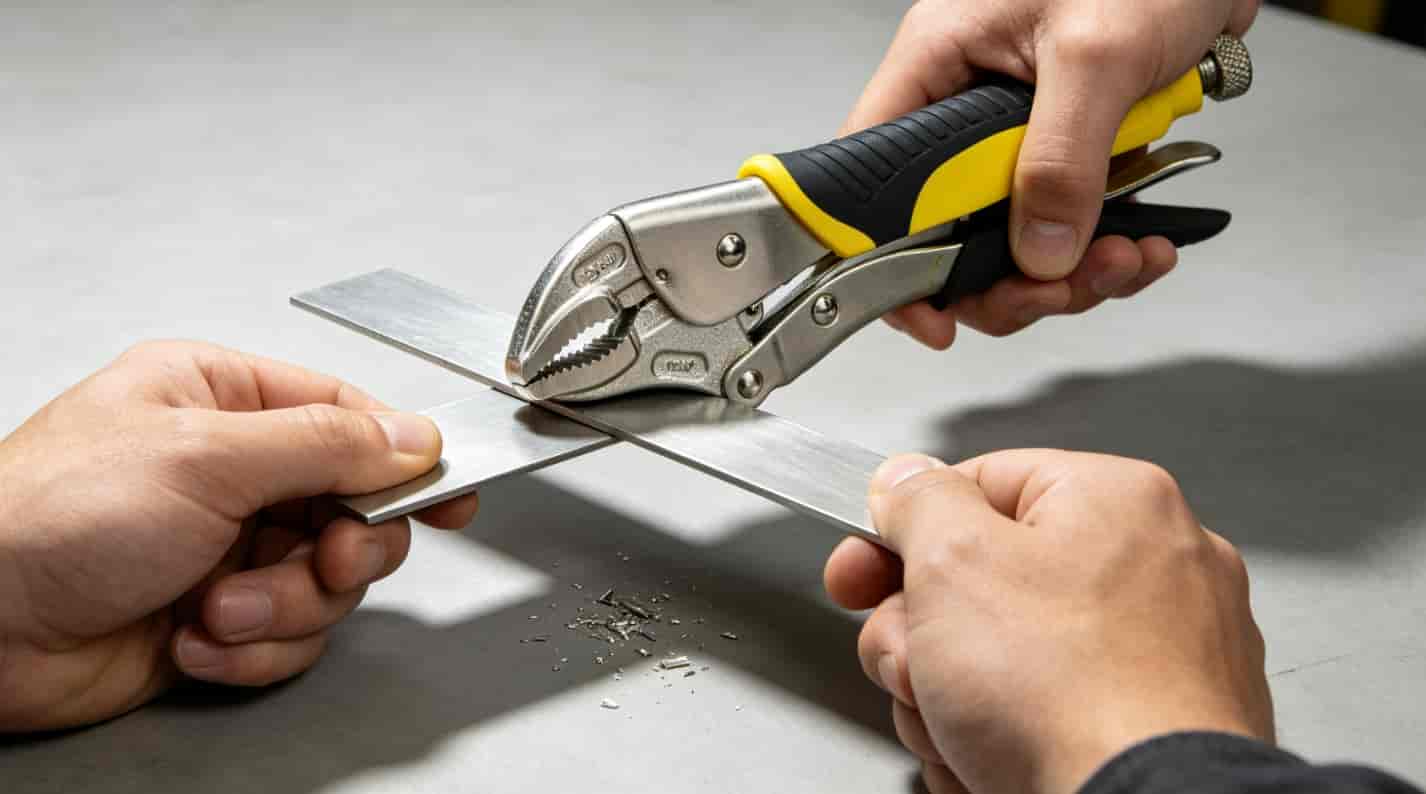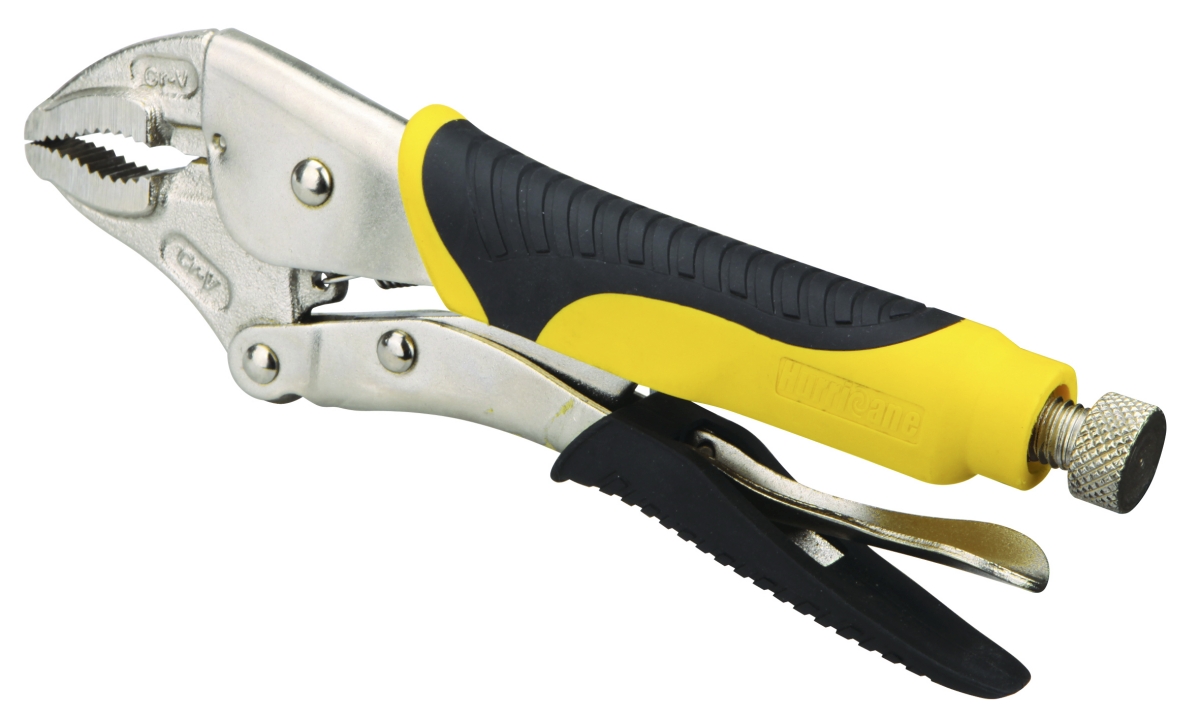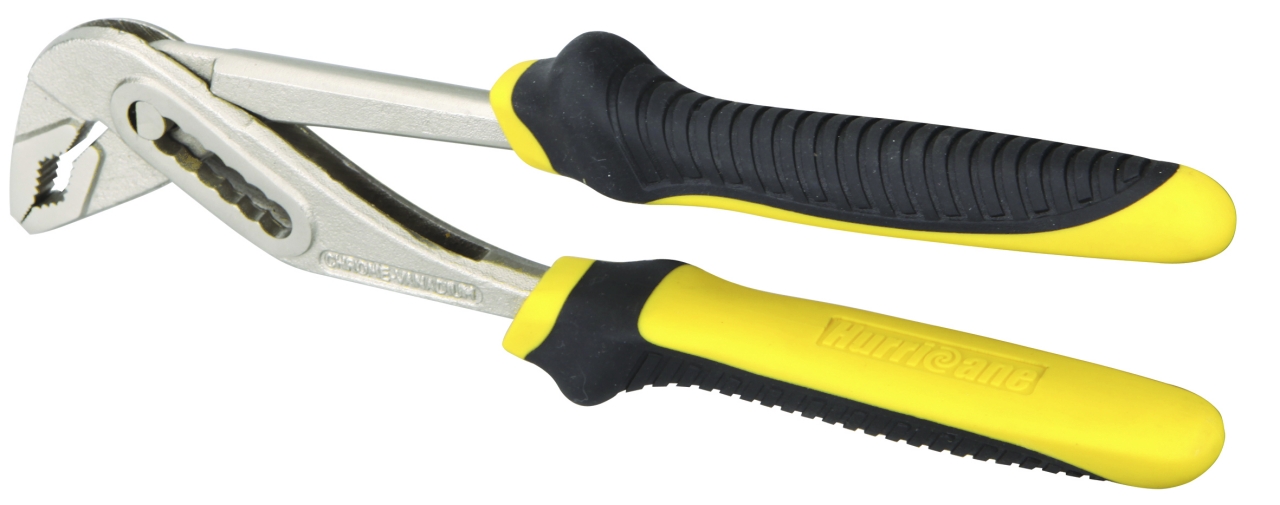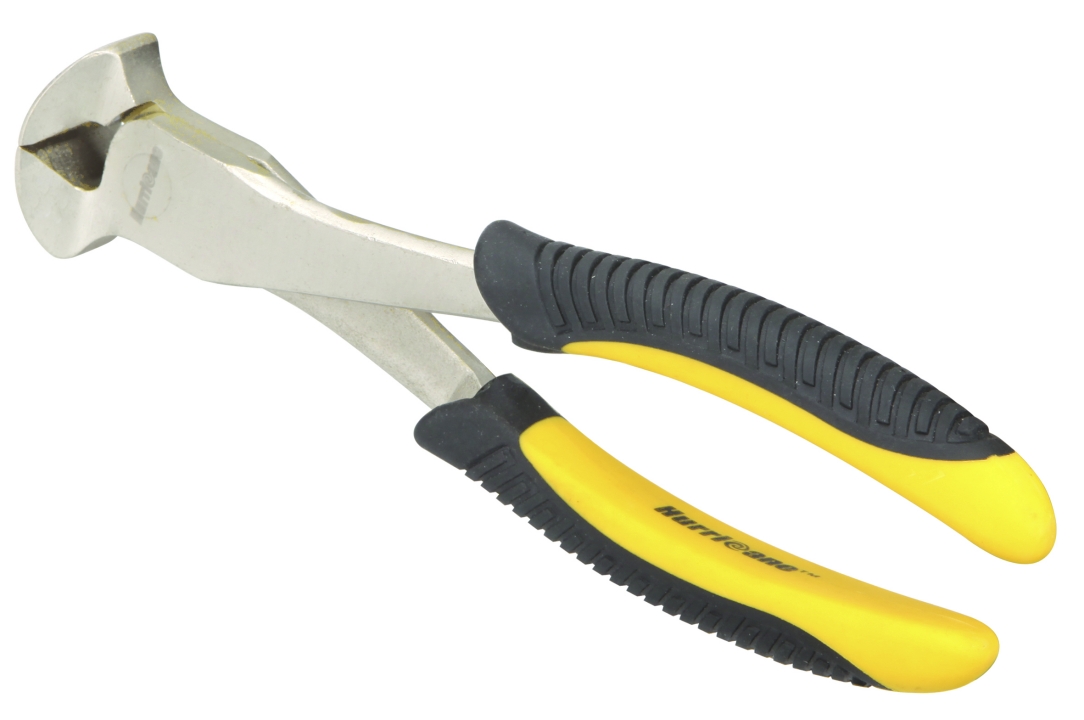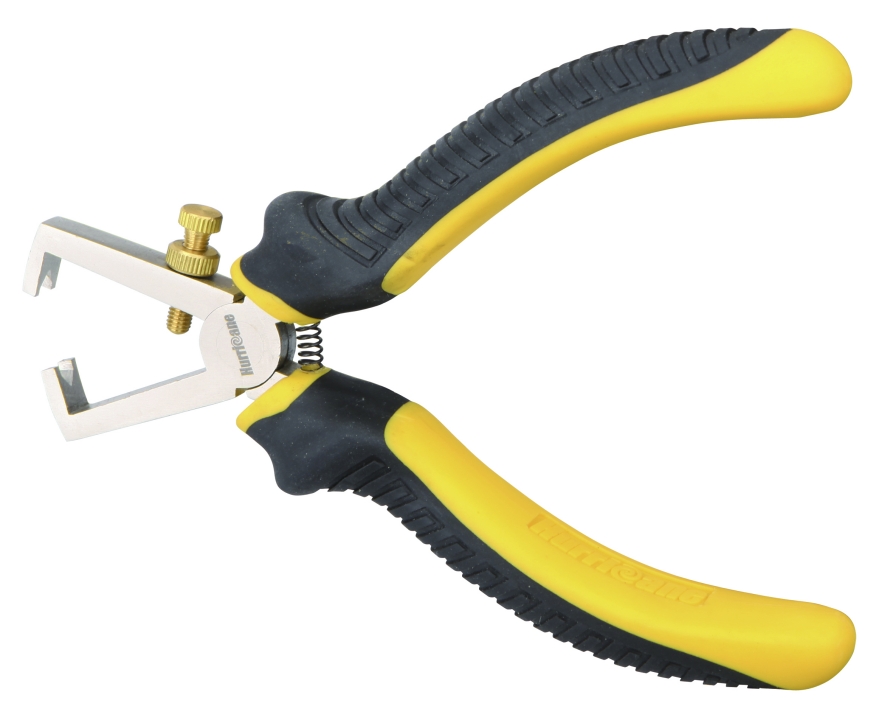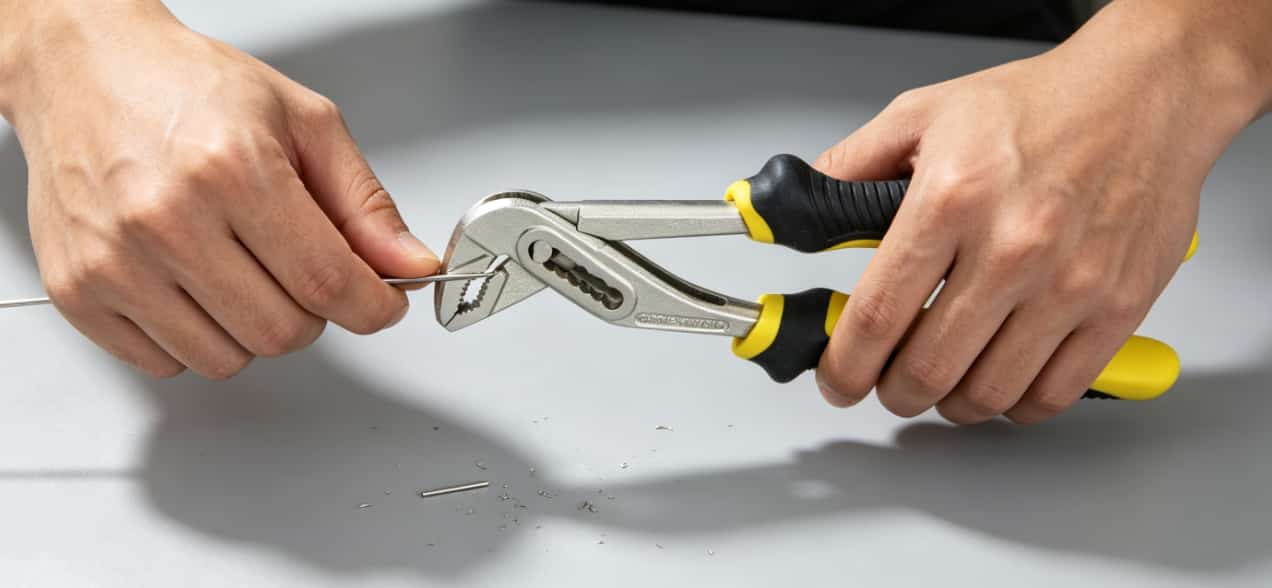
Although both ウォーターポンププライヤー and wrench pliers are adjustable gripping tools, they are designed according to different principles and for different applications. Water pump pliers use a multi-position slip-joint mechanism with serrated jaws to securely grip round or irregular objects.
In contrast, wrench pliers have smooth, parallel jaws that apply even pressure without damaging finished surfaces. This distinction is consistent with the principles of engineering hand tools described in Machinery’s Handbook and the ASM Handbook: Manufacturing Processes and DIN ISO standards for hand tools. These standards emphasise jaw geometry, force transmission, and intended applications as the primary differences between these two tool categories.
What Is the Difference Between Water Pump Pliers and Wrench Pliers?
When working on plumbing systems, automotive maintenance, machinery assembly, or industrial repairs, using the right-hand tool can greatly enhance efficiency, safety, and the quality of the finished work. Two tools that are often mistaken for each other are water pump pliers and wrench pliers. At first glance, they appear similar because they both have adjustable jaws and long handles designed to increase gripping force. However, their internal mechanisms, jaw designs, gripping methods, and intended applications differ substantially.
Many DIY enthusiasts and even some professionals mistakenly assume that these tools are interchangeable. In reality, using the wrong tool can damage workpieces, reduce gripping force, or make certain tasks unnecessarily difficult. Water pump pliers are optimised for gripping pipes, fittings, and irregular shapes under high torque, whereas wrench pliers are designed to grip flat-sided fasteners with parallel jaw movement that minimises surface damage.
This article explains the differences between the two types of pliers in detail, covering their working principles, structural design, advantages, limitations, and ideal applications. By understanding these differences, professionals, purchasing managers, distributors, and tool users can make more informed decisions when selecting hand tools for industrial or everyday use.
What Are Water Pump Pliers?
Water pump pliers are an adjustable type of gripping pliers that are designed primarily for holding, turning, and tightening round or irregularly shaped objects, such as pipes, fittings, valves, couplings, and plumbing connectors. Depending on regional terminology and manufacturer naming conventions, they are sometimes referred to as groove-joint or tongue-and-groove pliers.
The defining feature of water pump pliers is their adjustable slip-joint mechanism, which enables the jaw opening to be quickly changed to accommodate different workpiece sizes. Most modern designs have multiple adjustment positions or a push-button locking system, which enables users to rapidly switch jaw capacity without the need for additional tools.
Unlike ordinary pliers, water pump pliers have angled, serrated jaws. These teeth bite into the surface of the workpiece to produce high friction and prevent slipping during rotation. This aggressive gripping action is particularly valuable for loosening corroded plumbing fittings, rotating steel pipes, or securing irregular mechanical components, situations in which a smooth gripping surface would be ineffective.
The handles are usually longer than those of standard combination pliers, providing greater leverage and enabling users to generate significant gripping force with minimal hand effort. Thanks to this combination of adjustability, leverage, and strong tooth engagement, water pump pliers have become an indispensable tool for plumbers, HVAC installers, automotive repairers, mechanical maintenance engineers, and industrial assemblers.
How Do Water Pump Pliers Work?
Water pump pliers operate based on adjustable leverage and self-tightening jaw geometry. After selecting the correct jaw position, the user squeezes the handles together, causing the serrated jaws to grip the workpiece. As rotational force is applied, the angled jaw geometry naturally increases the gripping pressure, which helps to prevent the tool from slipping under load.
This self-locking tendency makes water pump pliers particularly effective for gripping cylindrical objects such as steel pipes, copper tubing, hydraulic fittings, threaded connectors, and round shafts. Even when surfaces are oily or slightly corroded, the hardened teeth maintain secure contact, enabling significant torque to be transmitted.
However, this gripping method has an important limitation. As the jaws rely on sharp teeth for traction, they usually leave visible marks on finished surfaces. This can be undesirable for decorative plumbing fixtures, chrome fittings, polished nuts, or precision-machined components. In these cases, another type of adjustable gripping tool is often more appropriate.
What Are Wrench Pliers?
Wrench pliers, also known as pliers wrenches, combine the features of adjustable wrenches and pliers in one tool. Although they resemble water pump pliers externally, their internal mechanisms and gripping actions differ fundamentally.
Rather than having serrated gripping teeth, wrench pliers have smooth, flat, parallel jaws. As the handles close, both jaws remain parallel to each other throughout the entire movement. This parallel action distributes gripping force evenly across the contact surfaces, enabling the tool to grip hexagonal nuts, bolts, fittings, and precision-machined components without damaging their edges or surface finish.
Another important difference is force multiplication. Many wrench pliers use compound leverage mechanisms that significantly increase clamping force while maintaining precise control. Rather than relying on teeth biting into the material, the tool grips by applying uniform pressure across opposing flat surfaces.
Thanks to this design, wrench pliers are ideal for assembling hydraulic systems, installing polished plumbing fittings, servicing bicycles and motorcycles, repairing industrial machinery, and working with aluminium, brass, stainless steel, or plated fasteners where preserving cosmetic appearance is important.
How Do Wrench Pliers Work?
Unlike water pump pliers, wrench pliers function more like an adjustable spanner, providing a powerful clamping action. After adjusting the jaw opening, the user positions the smooth jaws around the fastener and squeezes the handles together. As pressure increases, the parallel jaws grip the opposite flats of the nut or bolt evenly.
Since force is distributed across a larger contact area, there is a much lower likelihood of rounding corners or scratching surfaces. This makes wrench pliers particularly valuable when working with expensive fittings or finished components that must remain undamaged aesthetically after installation.
Another benefit of the parallel jaw system is improved dimensional accuracy. Since the jaws remain parallel during operation, they maintain full contact with flat surfaces instead of concentrating force at only one point. Consequently, wrench pliers often demonstrate greater mechanical efficiency when tightening or loosening hexagonal fasteners than traditional adjustable wrenches.
The Fundamental Difference Between Water Pump Pliers and Wrench Pliers
Although both tools have adjustable jaws and similar dimensions, they are designed for completely different purposes.
Water pump pliers are designed primarily for maximum gripping power. Their serrated jaws are designed to bite into the workpiece and prevent slipping, making them ideal for pipes, irregular shapes, and heavy-duty maintenance tasks. They are best suited to situations where surface appearance is not important and maximum traction is required.
By contrast, wrench pliers prioritise controlled, damage-free gripping. Their smooth, parallel jaws grip flat-sided objects without leaving marks, making them the preferred choice for finished fittings, precision hardware, and assembly work where appearance and accuracy matter.
This difference also affects how force is transmitted. Water pump pliers rely heavily on the friction generated by their serrated jaws, whereas wrench pliers depend on the uniform clamping pressure applied by their parallel jaws. Consequently, the two types of pliers often complement rather than replace one another in professional toolkits.
Water Pump Pliers vs. Wrench Pliers
| Feature | ウォーターポンププライヤー | Wrench Pliers |
| Jaw Surface | Serrated teeth | Smooth parallel jaws |
| Primary Purpose | Grip round and irregular objects | Grip nuts, bolts, and flat-sided fasteners |
| Surface Protection | May leave marks | Minimal risk of surface damage |
| Gripping Principle | Teeth bite into material | Even clamping pressure |
| Best For | Pipes, plumbing fittings, valves | Precision assembly, finished hardware |
| Torque Capability | Excellent on round objects | Excellent on hexagonal fasteners |
| Typical Industries | Plumbing, HVAC, automotive, maintenance | Mechanical assembly, machinery repair, precision maintenance |
The comparison highlights why professionals often carry both tools. Rather than competing with each other, they solve different fastening and gripping challenges.
Which Tool Performs Better in Different Applications?
Water pump pliers remain the preferred choice for plumbing installations because pipes, couplings, threaded connectors, and valves are generally round and often require a strong grip. Their serrated jaws provide excellent traction, even when working with wet, rusty, or slightly deformed components. This makes them particularly effective in maintenance environments, where reliability is more important than cosmetic appearance.
In contrast, wrench pliers are ideal for applications where preserving the integrity of fasteners is paramount. Hydraulic fittings, chrome-plated bathroom fixtures, stainless steel connectors, aluminium nuts, and precision-machined mechanical components all benefit from their smooth, parallel jaws, which eliminate tooth marks while maintaining excellent holding power. For maintenance technicians who regularly work on high-value equipment, the ability of wrench pliers to combine a strong grip with surface protection makes them an indispensable addition to the toolbox.
Advantages and Limitations of Water Pump Pliers
Understanding the strengths and weaknesses of water pump pliers helps users determine when they are the most effective solution and when another tool may be more appropriate.
One of the greatest advantages of water pump pliers is their exceptional versatility. A single pair can accommodate a wide range of pipe diameters and irregularly shaped components simply by adjusting the jaw position. This flexibility reduces the number of tools required on the job site and makes them particularly valuable for plumbers, maintenance technicians, HVAC installers, and automotive mechanics who frequently encounter different fitting sizes.
Another important benefit is their high gripping force. The angled serrated jaws are designed to increase clamping pressure as rotational force is applied, allowing users to loosen seized fittings, corroded pipes, and stubborn connectors that would be difficult to remove using standard adjustable wrenches. Long handles also provide additional leverage, reducing physical effort during demanding tasks.
However, these advantages come with trade-offs. Because the jaws grip by biting into the workpiece, they often leave visible tooth marks on polished or plated surfaces. This can damage decorative plumbing fixtures, stainless steel fittings, or precision-machined components where appearance and dimensional accuracy are important. In addition, water pump pliers are not ideal for tightening hexagonal fasteners that require controlled, even pressure across flat surfaces.
Advantages and Limitations of Wrench Pliers
Wrench pliers were developed to solve many of the limitations associated with traditional gripping pliers. Their smooth, parallel jaws distribute pressure evenly across the workpiece, significantly reducing the risk of scratching, crushing, or rounding corners.
One major advantage is precision. Since the jaws remain parallel throughout the gripping motion, wrench pliers provide full-surface contact on nuts, bolts, and fittings. This improves torque transmission while protecting finished surfaces, making the tool especially valuable in industries such as machinery assembly, hydraulic systems, bicycle maintenance, aerospace servicing, and electrical installation.
Another benefit is versatility when working with delicate materials. Aluminum fittings, brass valves, chrome-plated plumbing fixtures, and stainless steel fasteners can all be tightened or loosened without the cosmetic damage often caused by serrated gripping tools.
The primary limitation is that wrench pliers are less effective on smooth, round objects such as steel pipes. Without serrated teeth, they rely entirely on clamping force, making them less suitable for heavily corroded cylindrical workpieces where maximum traction is required.
How to Choose the Right Tool?
Selecting between water pump pliers and wrench pliers depends primarily on the shape of the workpiece, the required gripping force, and whether surface protection is important.
If the task involves gripping round pipes, threaded couplings, valves, or irregular mechanical components, water pump pliers are usually the better choice. Their aggressive serrated jaws generate high friction, allowing secure handling even in wet, oily, or rusted environments. They are particularly effective for plumbing repairs, industrial maintenance, construction work, and automotive servicing, where high torque is frequently required.
If the work involves hexagonal nuts, precision fittings, polished hardware, or decorative plumbing components, wrench pliers are generally the preferred option. Their parallel jaw mechanism provides controlled pressure without damaging surfaces, making them ideal for assembly work, maintenance of premium equipment, and applications where appearance matters.
Professional technicians often carry both tools because they complement each other rather than compete. Water pump pliers provide unmatched gripping capability for irregular objects, while wrench pliers offer precision and protection for finished fasteners. Together, they cover the majority of gripping and tightening tasks encountered in mechanical and industrial environments.
Application Comparison
| Application | ウォーターポンププライヤー | Wrench Pliers |
| Steel Pipes | ★★★★★ | ★★☆☆☆ |
| PVC Pipe Fittings | ★★★★★ | ★★★☆☆ |
| Plumbing Valves | ★★★★★ | ★★★★☆ |
| Hex Nuts & Bolts | ★★★☆☆ | ★★★★★ |
| Chrome-Plated Fittings | ★★☆☆☆ | ★★★★★ |
| Stainless Steel Components | ★★★☆☆ | ★★★★★ |
| Hydraulic Connectors | ★★★☆☆ | ★★★★★ |
| Automotive Repair | ★★★★★ | ★★★★☆ |
| Machinery Maintenance | ★★★★★ | ★★★★★ |
| Precision Mechanical Assembly | ★★☆☆☆ | ★★★★★ |
Common Mistakes When Buying Water Pump Pliers
Despite their simple appearance, not all water pump pliers offer the same performance or durability. Buyers often focus only on size or price while overlooking features that significantly affect usability and service life.
One common mistake is choosing pliers with an insufficient adjustment range. Tools with limited jaw positions may not accommodate the variety of pipe diameters encountered during maintenance or installation work. Selecting a model with a wide adjustment capacity increases versatility and reduces the need for multiple tools.
Another frequent oversight is ignoring jaw hardness and manufacturing quality. Precision-machined jaws made from high-grade alloy steel maintain their gripping ability for much longer than lower-quality alternatives. Heat treatment also plays a critical role in wear resistance, especially for professionals who use the tool daily.
Handle design is another factor worth considering. Ergonomic grips reduce hand fatigue during repetitive work, while non-slip coatings improve safety in wet or oily environments. Professionals working in demanding industrial settings should also consider corrosion-resistant finishes that enhance durability and extend service life.
Finally, buyers should match the tool to the intended application rather than attempting to use one tool for every task. Water pump pliers are excellent for gripping pipes, but they are not the best solution for precision fasteners. Investing in both water pump pliers and wrench pliers often provides greater efficiency and better long-term value than relying on a single multipurpose tool.
Frequently Asked Questions (FAQ)
- ウォーターポンププライヤーはどのような用途に使われますか?
Water pump pliers are primarily used for gripping, turning, and holding pipes, plumbing fittings, valves, couplings, and other round or irregularly shaped components. They are widely used in plumbing, HVAC, automotive repair, and industrial maintenance.
- Are water pump pliers the same as wrench pliers?
No. Water pump pliers feature serrated jaws designed for maximum grip on round objects, while wrench pliers use smooth parallel jaws to grip flat-sided fasteners without damaging their surfaces.
- Can water pump pliers replace an adjustable wrench?
For some tasks, yes. Water pump pliers can grip many fittings and connectors, but they are generally not as precise as an adjustable wrench or wrench pliers when working with hexagonal nuts and bolts.
- Do water pump pliers damage surfaces?
They can. Because the jaws use hardened teeth to increase friction, they may leave marks on polished, painted, chrome-plated, or precision-machined surfaces.
- Which is better for plumbing: water pump pliers or wrench pliers?
For most plumbing work involving pipes and threaded fittings, water pump pliers are the preferred choice due to their stronger grip on round objects. Wrench pliers are better suited to installing decorative or finished plumbing fixtures where surface protection is essential.
- How do I choose the right size of water pump pliers?
Choose a size based on the maximum pipe or fitting diameter you expect to handle. Professional users often keep multiple sizes available, such as 250 mm, 300 mm, and 400 mm models, to accommodate a wide variety of maintenance and installation tasks.
結論
Although they look similar, water pump pliers and wrench pliers are designed for different tasks. Water pump pliers excel at gripping round pipes, valves, and other irregularly shaped components thanks to their adjustable serrated jaws and high clamping force. Wrench pliers, on the other hand, are designed for precision work. They use smooth, parallel jaws to tighten or loosen nuts and fittings without damaging finished surfaces.
Rather than viewing one tool as superior to the other, professionals should recognise that each tool is suited to different applications. Water pump pliers remain the preferred choice for plumbing, HVAC, construction, and heavy-duty maintenance, where maximum grip is required. Wrench pliers, meanwhile, are indispensable for assembly, machinery servicing, and precision mechanical work, where surface protection and accuracy are priorities.
Understanding the structural differences, working principles, and ideal use cases of these two adjustable hand tools enables users to select the right equipment for every task, improving work efficiency, reducing component damage, and achieving safer, more reliable maintenance results. This practical, application-driven approach reflects the engineering principles recommended in professional hand tool standards, supporting informed purchasing decisions for individual users and industrial buyers alike.