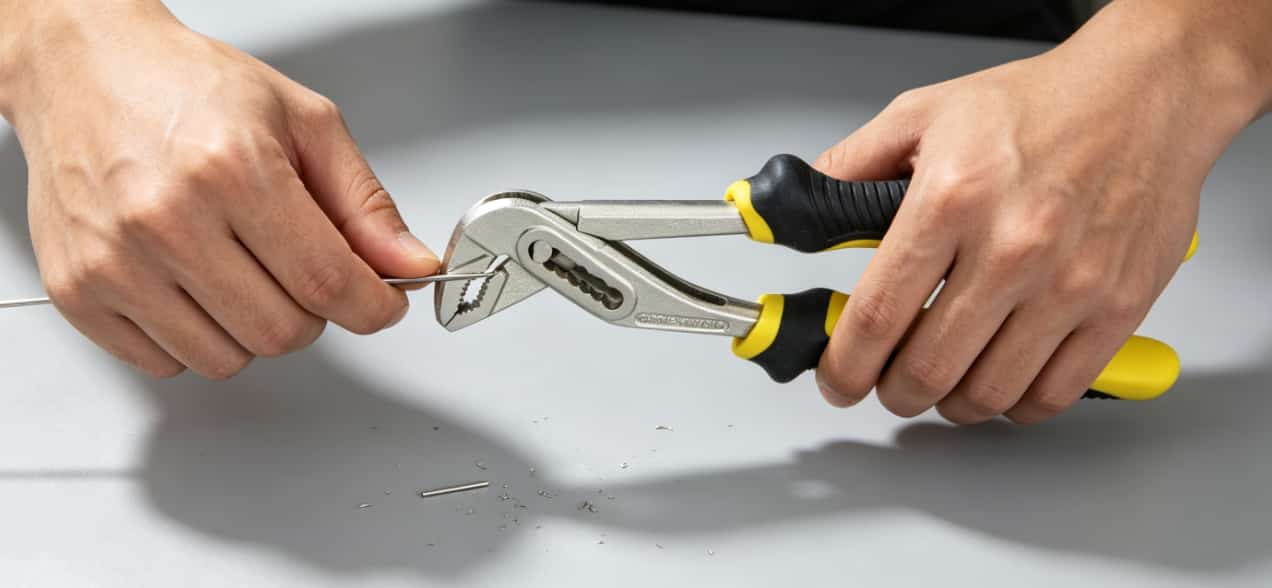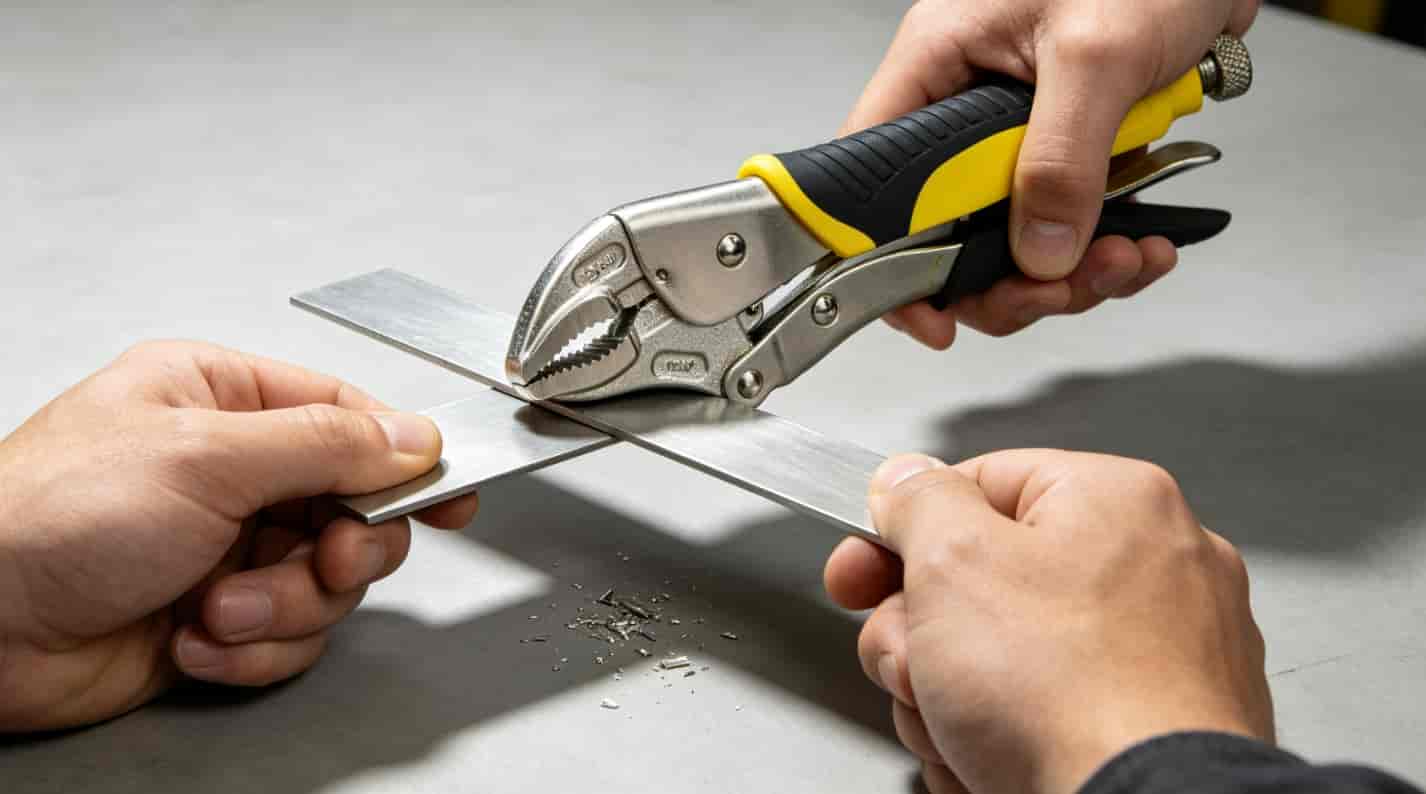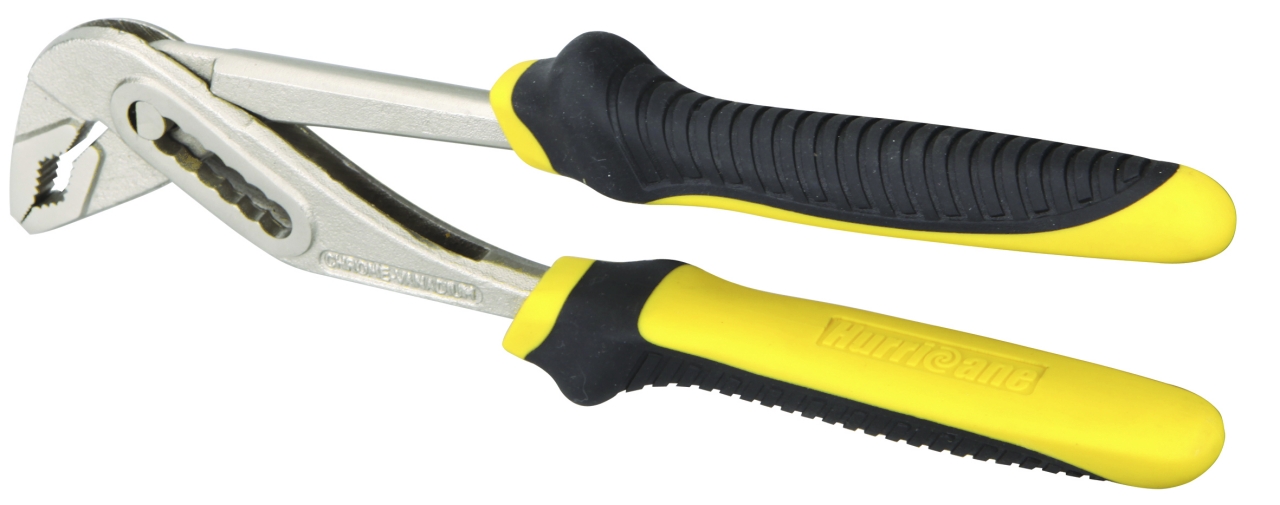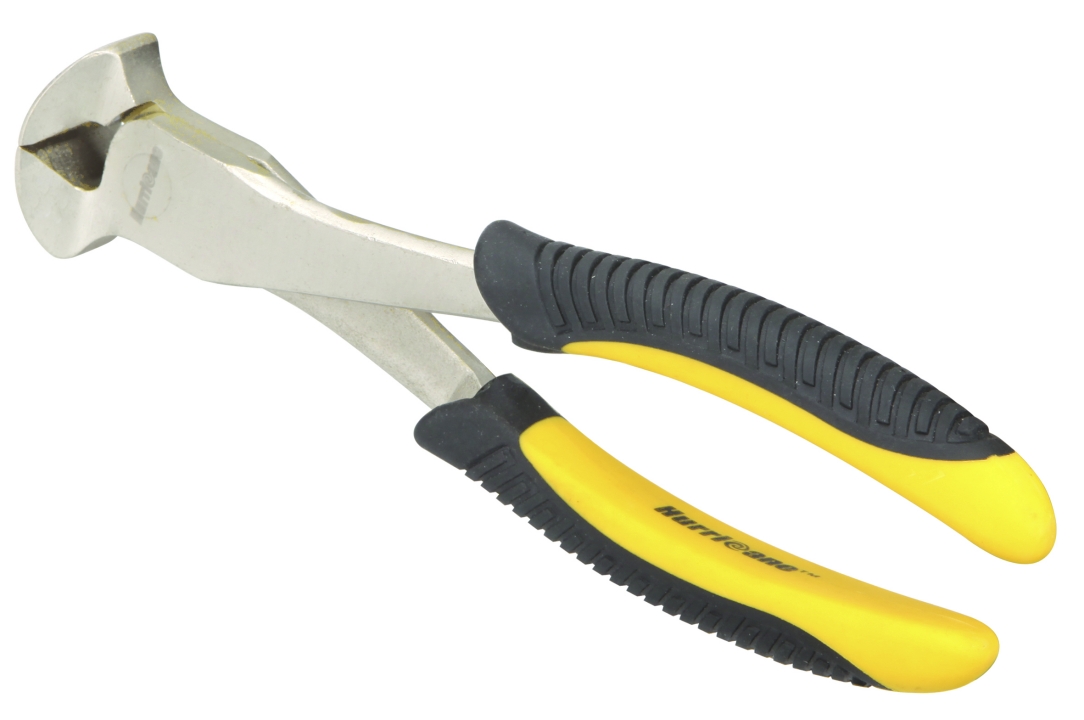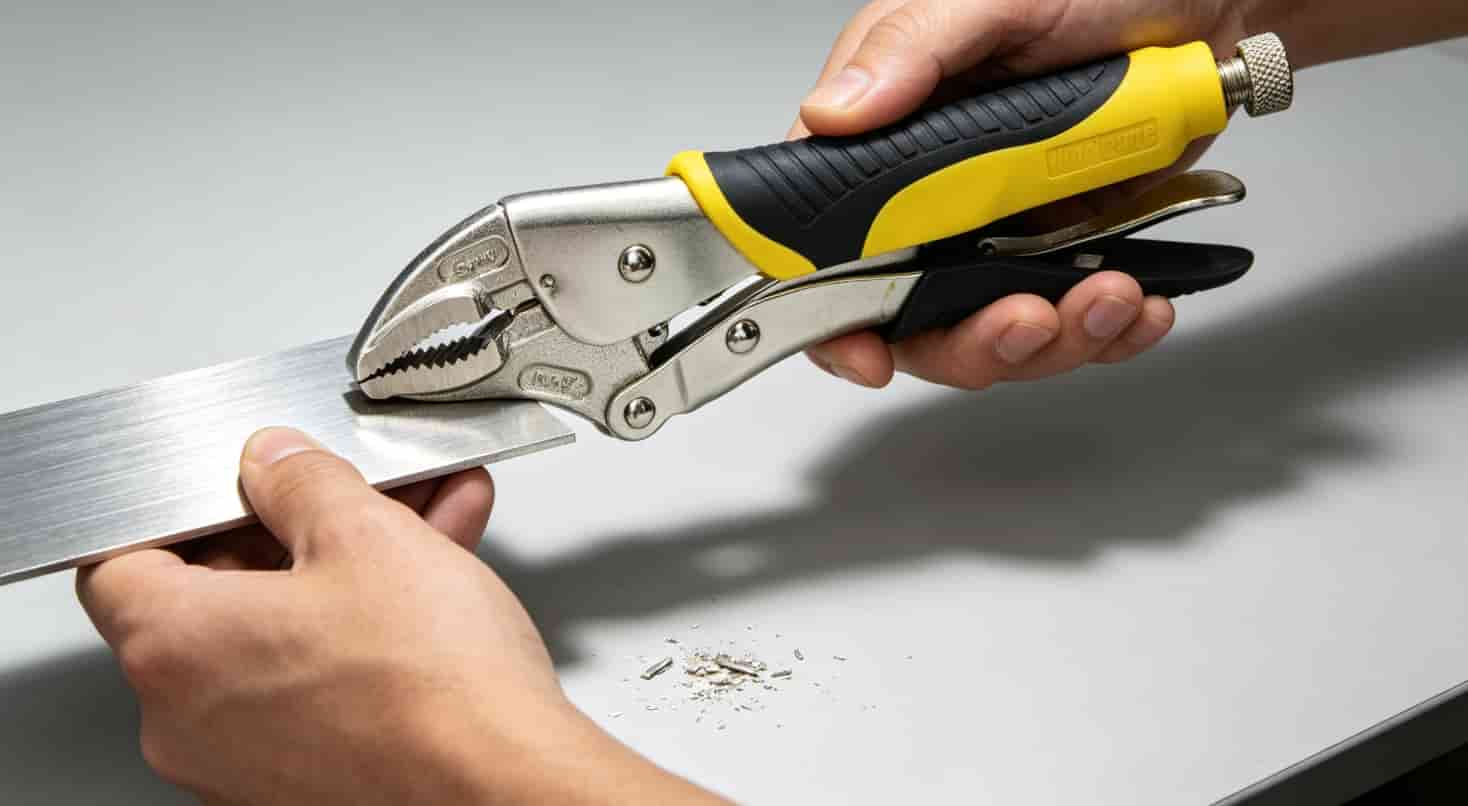
Curved jaw locking pliers are a versatile type of hand tool designed to securely clamp, hold, grip and stabilise rounded or irregularly shaped objects during repair, assembly and fabrication work. According to Machinery’s Handbook and Modern Machine Shop Practices, these pliers offer a mechanical advantage by converting manual force into strong clamping pressure via an adjustable over-centre locking mechanism. This makes them invaluable for automotive repair, metalworking, welding, plumbing and general maintenance applications.
Introduction
Hand tools remain an essential part of the mechanical repair, manufacturing, construction and maintenance industries because they offer precise control over fastening, holding and adjustment operations. Curved jaw locking pliers are one of the most commonly used solutions for professionals who need a strong, reliable grip on components that are difficult to hold with conventional pliers or adjustable wrenches.
Unlike standard pliers, which require continuous hand pressure during use, locking pliers use a unique mechanical locking system that enables users to clamp an object securely and maintain holding force without the need for constant squeezing. The curved jaw design improves performance further by providing better contact with cylindrical, rounded, and uneven surfaces, making the tool especially effective for pipes, bolts, nuts, metal sheets, and welded components.
From automotive workshops to industrial production lines, curved jaw locking pliers are valued for their versatility, strength and convenience. They are frequently used as temporary clamps during welding, gripping tools for damaged fasteners, and stabilising devices during assembly operations.
Understanding how these tools are designed, how they function and where they provide the greatest advantages helps professionals to select the right hand tool for specific applications, improving work efficiency and safety.
What Are Curved Jaw Locking Pliers?
Curved jaw locking pliers are an adjustable type of hand tool with curved gripping jaws and a locking mechanism that enables them to clamp tightly onto workpieces. Designed to provide maximum contact with round, curved, or irregular surfaces, they are a specialised type of locking plier.
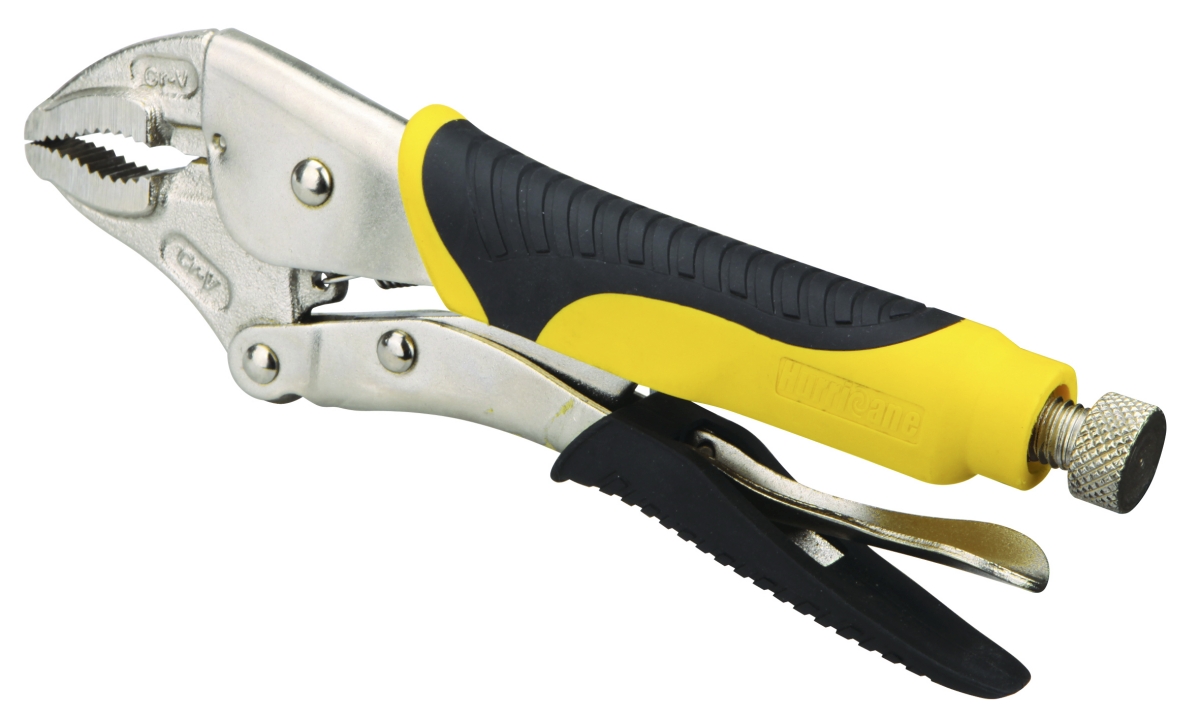
The tool typically consists of several main components:
- Curved jaws: These are designed to wrap around cylindrical or irregular objects and distribute gripping force more effectively.
- Adjustment screw: Located at the handle end, this allows users to adjust the jaw opening according to the size of the workpiece.
- A locking mechanism: Uses an over-centre toggle system to create strong clamping pressure.
- Release lever: Allows for quick disengagement once the task is complete.
- Handles: They provide leverage for applying and releasing the locking force.
The curved jaw structure distinguishes these pliers from straight-jaw locking pliers. While straight jaws are better suited to flat surfaces and general gripping, curved jaws create multiple contact points around rounded objects, reducing slipping and improving stability.
Common sizes range from compact models designed for precision work to larger versions intended for heavy-duty industrial applications.
How Do Curved Jaw Locking Pliers Work?
Curved jaw locking pliers operate based on mechanical leverage and over-centre locking technology. When the handles are squeezed together, the movable jaw closes towards the fixed jaw. Once the mechanism passes its locking point, the tool maintains the clamping pressure without the need for continuous hand force.
Before use, the adjustment screw is rotated to set the approximate jaw opening. The user then positions the jaws around the target object and squeezes the handles until the locking mechanism engages. Fine adjustments can be made to achieve the required gripping force.
This design provides several practical benefits:
- Hands-free holding capability: once locked, the tool continues to apply pressure independently, allowing users to perform other operations such as welding, cutting, drilling or assembly.
- High gripping force: the mechanical advantage of the locking system creates significantly higher holding pressure than conventional pliers.
- Improved stability: the curved jaws maintain better contact with round surfaces, minimising movement during repair or fabrication tasks.
- Reduced user fatigue: because the tool maintains its grip automatically, operators experience less hand strain during repetitive work.
Main Applications of Curved Jaw Locking Pliers
The versatility of curved jaw locking pliers makes them suitable for a wide range of professional and industrial applications.
Automotive Repair
In automotive workshops, curved-jaw locking pliers are frequently used to hold pipes, remove damaged fasteners, secure components during repair, and temporarily fix parts in position. Their strong grip makes them particularly useful when conventional tools cannot achieve sufficient holding force.
Mechanics often use them for exhaust system repairs, hose clamping, brake line work, and securing components during welding or fabrication.
Welding and Metal Fabrication
Welders rely on curved jaw locking pliers as temporary clamps for positioning metal components before joining. The locking function keeps parts aligned while leaving both hands free for welding operations.
The curved jaws are especially useful when working with:
- Metal tubes
- Round bars
- Pipes
- Cylindrical components
- Irregular steel structures
Their ability to maintain consistent pressure improves accuracy and reduces movement during fabrication.
Plumbing Applications
Plumbers commonly use curved jaw locking pliers when working with pipes, fittings, and valves. The rounded jaw profile provides a secure grip on cylindrical surfaces, making it easier to tighten, loosen, or hold components during installation.
Although they should not replace dedicated pipe wrenches for every application, locking pliers can be valuable for temporary positioning and emergency repairs.
General Maintenance and Industrial Use
In factories, workshops, and maintenance environments, curved jaw locking pliers serve as reliable multipurpose gripping tools. They can hold machine components, secure workpieces, remove damaged screws, and assist with equipment repairs.
Their adaptability makes them a common addition to professional tool kits across industries.
Curved Jaw Locking Pliers vs Other Locking Pliers
| Feature | Curved Jaw Locking Pliers | Straight Jaw Locking Pliers | Long Nose Locking Pliers |
| Jaw Shape | Rounded curved profile | Flat gripping surface | Narrow pointed jaws |
| Best For | Pipes, bolts, irregular objects | Flat materials and general gripping | Tight spaces and precision work |
| Contact Area | Large on curved surfaces | Better on flat surfaces | Limited gripping area |
| Holding Strength | High | High | Medium |
| Common Applications | Welding, automotive, plumbing | General repair and assembly | Electrical and detailed work |
Advantages of Using Curved Jaw Locking Pliers
Curved jaw locking pliers are popular because they can solve gripping problems that ordinary pliers often cannot handle. The combination of an adjustable clamping force, a self-locking mechanism and a curved contact surface makes them a valuable tool for professional tradespeople and general maintenance users alike.
One of their most important advantages is their ability to provide a stable, hands-free grip. In many repair and fabrication tasks, workers need to have both hands free for activities such as cutting, welding, drilling or positioning components. While a conventional pair of pliers requires continuous squeezing, locking pliers maintain their pressure automatically after adjustment. This improves efficiency and reduces physical fatigue during extended operations.
Another significant benefit is their ability to grip damaged or worn components. When bolts, nuts or fittings become rounded due to corrosion or excessive wear, standard wrenches may lose contact. However, the adjustable jaws of curved-jaw locking pliers can clamp firmly around irregular surfaces, providing additional gripping force for removal or temporary holding.
The curved jaw design also improves versatility. As the jaws partially encircle cylindrical objects, they distribute pressure over a larger area rather than concentrating force at a single point. This makes them particularly effective for pipes, rods, shafts and other rounded components commonly found in mechanical and industrial environments.
Additional advantages include:
- Adjustable gripping capacity for different workpiece sizes;
- Strong mechanical locking force;
- Reduced risk of hand fatigue;
- Suitability for temporary clamping operations;
- Effectiveness on irregular and rounded surfaces;
- Usefulness across multiple industries.
For professionals working in automotive repair, welding, construction, or manufacturing, these features make curved jaw locking pliers a practical problem-solving tool rather than simply another gripping device.
How to Choose the Right Curved Jaw Locking Pliers?
Selecting the correct curved jaw locking pliers depends on the application, workpiece size, required gripping force, and working environment. Although many models look similar, differences in jaw design, material quality, adjustment range, and manufacturing precision can significantly affect performance.
Consider Jaw Capacity
The first factor to evaluate is jaw opening capacity. Small curved jaw locking pliers are suitable for precision tasks, light repairs, and confined spaces, while larger models are designed for heavy-duty applications involving pipes, structural components, and industrial equipment.
Choosing a size that matches the typical workpiece prevents excessive force requirements and improves tool life.
Evaluate Material and Construction Quality
Professional-grade locking pliers are generally manufactured from high-strength alloy steel with heat-treated components. This improves resistance against bending, wear, and deformation under high clamping loads.
Important quality indicators include:
- Strong forged steel construction
- Smooth adjustment mechanism
- Reliable locking action
- Durable surface treatment
- Comfortable handle design
Low-quality tools may experience jaw misalignment, weak locking performance, or premature wear, reducing safety and productivity.
Match the Tool to the Application
Different industries require different performance characteristics. Automotive technicians may prioritize strong gripping force for seized components, while welders may need precision alignment and reliable clamping during fabrication.
The following selection guide helps identify suitable applications.
| Application | Recommended Features | Typical Usage |
| Automotive Repair | Large curved jaws, high clamping force | Holding pipes, removing damaged fasteners |
| Welding | Heat-resistant construction, stable locking | Temporary fixture positioning |
| Plumbing | Wide jaw opening, strong grip | Holding pipes and fittings |
| Machine Maintenance | Durable alloy steel body | Equipment repair and assembly |
| DIY Projects | Medium-size adjustable jaws | General household repairs |
Maintenance Tips for Longer Tool Life
Proper maintenance is key to ensuring that curved jaw locking pliers continue to perform reliably over many years. Although these tools are designed for demanding environments, failing to perform basic maintenance can reduce the accuracy of adjustments and the reliability of the lock.
After use, the tool should be cleaned to remove dirt, metal particles, oil and moisture. This is particularly important in welding and industrial environments, where debris can interfere with the movement of the adjustment mechanism.
The adjustment screw and pivot points should be lubricated periodically to ensure the tool operates smoothly. Using a small amount of suitable mechanical lubricant can prevent corrosion and reduce friction between moving components.
Users should also avoid using locking pliers for purposes other than those for which they are intended. They should not be used as hammers, striking tools or permanent clamps unless they are specifically designed for these functions. Applying excessive force can damage the jaws, locking mechanism or adjustment components.
Recommended maintenance practices include:
- Clean after heavy use
- Apply lubricant to moving joints
- Store in a dry environment
- Avoid excessive overload
- Inspect jaws for wear or deformation
- Keep adjustment threads free from debris
Regular maintenance improves tool reliability, maintains gripping performance and extends service life.
Curved Jaw Locking Pliers in Modern Tool Applications
As manufacturing and maintenance industries continue to demand higher efficiency, reliable hand tools remain essential even in highly automated environments. Curved jaw locking pliers continue to play an important role because they provide flexibility where powered equipment cannot always replace manual control.
In fabrication workshops, these tools help operators quickly position components before permanent joining. In maintenance operations, they provide temporary solutions when specialized equipment is unavailable. In automotive and mechanical repair, they remain valuable because they can adapt to damaged or unusual components.
Their continued popularity demonstrates that simple mechanical designs can deliver significant practical value when engineered correctly.
Frequently Asked Questions (FAQ)
- 曲がったアゴのロックプライヤーはどのような用途に使われますか?
Curved jaw locking pliers are mainly used for gripping, clamping, and holding rounded or irregular objects such as pipes, bolts, metal components, and mechanical parts. They are commonly used in welding, automotive repair, plumbing, and industrial maintenance.
- Are curved jaw locking pliers better than straight jaw locking pliers?
Neither design is universally better; they are optimized for different tasks. Curved jaw locking pliers perform better on cylindrical and uneven surfaces because the jaws wrap around the object. Straight jaw locking pliers are generally more suitable for flat materials and general-purpose gripping.
- Can curved jaw locking pliers replace a wrench?
Curved jaw locking pliers can temporarily replace a wrench in some situations, especially when dealing with damaged fasteners or irregular components. However, they should not completely replace dedicated wrenches because excessive force may damage fasteners or reduce tool performance.
- What materials can curved jaw locking pliers grip?
They can grip various materials including steel, aluminum, pipes, bolts, rods, brackets, and fabricated metal components. The actual capability depends on jaw size, tool quality, and required clamping force.
- How do you adjust curved jaw locking pliers?
Adjustment is usually performed by turning the screw located at the handle end. Users adjust the opening until the jaws fit around the workpiece, then squeeze the handles until the locking mechanism engages.
- What size curved jaw locking pliers should I buy?
The ideal size depends on the application. Medium-size models are suitable for general repair work, while larger versions are better for pipes, heavy fabrication, and industrial maintenance. Professional users often keep multiple sizes available for different tasks.
結論
Curved jaw locking pliers are one of the most practical and versatile hand tools for professionals who require a reliable grip. Thanks to their unique combination of curved jaws, adjustable pressure control and self-locking capability, they can handle applications that ordinary pliers and wrenches may struggle with.
These tools are used in a variety of settings, including automotive workshops, welding environments, plumbing systems, and industrial maintenance operations. They provide strong temporary holding solutions, improving work efficiency and reducing operator fatigue. To achieve the best performance, it is essential to select the correct size, maintain the mechanism properly, and use the tool within its intended application range.
As the manufacturing, repair and construction industries continue to require dependable manual tools, high-quality locking pliers will remain an important part of professional tool systems. The simple mechanical design of these tools, combined with robust engineering and durable materials, ensures that they will continue to be widely used in industrial and everyday applications.