Quick Answer:
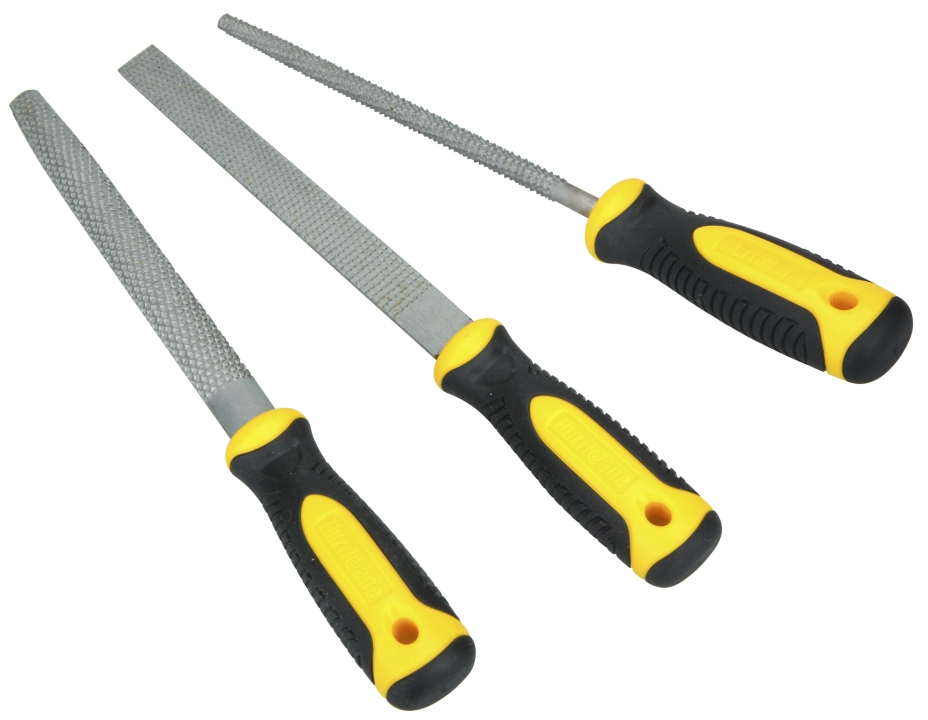
The key difference between a file and a rasp lies in their tooth structure and how they are used: files have fine, uniform teeth for smooth finishing, primarily on metal, while rasps have larger, individually cut teeth designed for aggressive material removal, especially on wood. In short, files refine surfaces, while rasps shape them.
Introduction: Why Understanding File and Rasp Differences Matters in 2026
Despite the rise of automated machining, hand tools still play a vital role in modern manufacturing, woodworking, metalworking, and even precision craft industries. One distinction that is often overlooked, especially by beginners and procurement teams, is that between files and rasps. However, using the wrong tool can result in inefficient workflows, poor surface quality, increased labour time, and even material damage.
With increased demand for precision, customisation, and sustainable production practices in 2026, understanding the functional differences between files and rasps will be more important than ever. From industrial workshops to DIY environments, these tools serve distinct yet complementary purposes.
What Is a File?
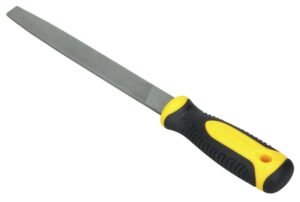
A file is a hardened steel hand tool with a series of parallel rows of sharp teeth. It is designed for smoothing, shaping, and finishing materials, primarily metals, but also plastics and composites.
Key characteristics of files:
- Fine, closely spaced teeth
- Uniform tooth pattern
- Designed for precision finishing
- Suitable for metal, plastic, and fine woodworking
- Produces smooth surfaces
Files are essential in applications where accuracy and surface quality are critical, such as machining, toolmaking, and metal fabrication.
What Is a Rasp?
A rasp is a coarse cutting tool featuring raised teeth that are individually cut. It is designed for rapid material removal, primarily on wood and other soft materials.
Key characteristics of rasps:
- Large, widely spaced teeth
- Individually cut tooth pattern
- Aggressive material removal
- Ideal for wood, rubber, and soft materials
- Leaves a rough surface finish
Rasps are commonly used in woodworking, sculpture, and shaping applications where speed is more important than achieving a smooth surface.
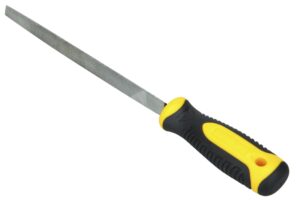
Core Differences Between File and Rasp
Understanding the structural and functional differences between a file and rasp is essential for selecting the right tool.
File vs Rasp Comparison Table
| Feature | File | Rasp |
| Tooth Structure | Fine, uniform | Coarse, individually cut |
| Material Application | Metal, plastic, fine wood | Wood, soft materials |
| Surface Finish | Smooth | Rough |
| Cutting Speed | Moderate | Fast |
| Precision Level | High | Low |
Tooth Design and Cutting Mechanics
The most fundamental difference between a file and a rasp lies in the way their teeth interact with the material being worked on.
- File tooth design
Files use a series of linear, angled teeth that cut material in a controlled manner. This results in:
- Even material removal
- Smooth finish
- Reduced surface damage
Rasp tooth design
Rasps feature individually raised teeth that act like small chisels. Rasp tooth design
Rasps feature individually raised teeth that act like small chisels. This leads to:
- Rapid material removal
- Less control
- Rougher finish
Types of Files
In mechanical engineering, files are precision tools used for shaping, smoothing, and finishing surfaces in metalworking and woodworking. Their shape and tooth pattern determine their optimal use.
- Flat file
Shape: Rectangular, flat surfaces
Best for:
- Smoothing flat surfaces
- Removing material from edges
- Generalpurpose filing
Key advantage:
Provides even, controlled material removal across wide areas.
- Round file
Shape: Cylindrical
Best for:
- Enlarging holes
- Filing circular openings
- Smoothing internal curves
Also known as: “Rattail file.”
Use case:
Ideal for curved or concave geometries.
- Half-round file
Shape: One flat side and one curved side
Best for:
- Both flat and curved surfaces
- Versatile shaping tasks
Advantages:
Combines two functions in one tool, making it highly versatile.
- Needle file
Shape: Small, fine files in various profiles
Best for:
- Precision work
- Fine detailing
- Jewellery, watchmaking and small components
Key feature:
High accuracy with minimal material removal.
- Mill file
Shape: Similar to a flat file, but with finer teeth
Best for:
- Sharpening tools (e.g. blades)
- Finishing and smoothing metal surfaces
Advantages:
Produces a smoother finish than standard flat files.
Key insight:
Each file type is designed to match:
- Surface geometry (flat, round, or complex)
- Material removal rate (coarse or fine)
- Precision requirements
Types of Rasps
Rasps are designed for the rapid removal of material, particularly from softer materials such as wood, leather, or hooves. Unlike files, they have raised teeth that are individually spaced, making them more aggressive and better suited to shaping than fine finishing. In mechanical engineering and woodworking, choosing the right rasp can improve both efficiency and surface quality.
- Wood rasp
Best for:
- General wood shaping
- Rough contouring and stock removal
Features:
- Coarse, widely spaced teeth
- Fast cutting action
Use case:
Ideal for early-stage shaping before switching to finer tools.
- Cabinet rasp
Best for:
- Fine woodworking and detailed shaping
- Furniture making and finishing work
Features:
- Finer teeth compared to standard wood rasps
- More controlled material removal
Advantages:
Leaves a smoother surface, reducing the need for excessive sanding.
- Farrier rasp
Best for:
Hoof care and shaping in horseshoeing
Features:
Dual-sided design:
One side is coarse (rasp), and the other side is finer (filelike).
Strength:
Built for durability and heavy-duty use on tough keratin (hoof material).
- Needle rasp
Best for:
- Precision work on small or intricate parts
- Crafting, modelling, or detailed finishing
Features:
- Small size with fine teeth
- Available in multiple shapes (round, flat, and triangular)
Advantage:
High control in tight or delicate areas.
Applications of Files and Rasps
Files and rasps are fundamental hand tools used for removing material, shaping, and finishing. Although they may appear similar, they have different applications based on precision and aggressiveness, which is an important distinction in mechanical engineering and woodworking.
- File applications (precision and finishing)
Files are designed for controlled, fine material removal, especially on harder materials like metal.
Applications include:
- Metal finishing: smooth rough surfaces after machining or cutting, improve surface quality and appearance, and deburr edges to remove sharp edges or burrs left from cutting processes to enhance safety and fit between components.
- Precision shaping: finetune dimensions and tolerances and adjust parts for proper alignment or assembly.
- Tool maintenance: sharpen blades and cutting tools, and restore edges on workshop equipment.
Key advantage:
Files provide accuracy, smooth finishes, and repeatable results.
- Rasp applications (aggressive shaping)
Rasps are built for rapid material removal, especially on softer materials.
- Wood shaping: rough shaping of wood surfaces, creating contours and curves, and sculpting. Used in woodworking, art, and modelmaking to quickly define forms before refining.
- Rough material removal: remove large amounts of material efficiently and prepare surfaces for finer tools (files, sandpaper).
- Craft and DIY projects: ideal for hobbyists working with wood, foam, or soft materials, and useful in furniture making, repairs, and custom builds.
Key advantage:
Rasps offer speed and efficiency in early-stage shaping.
Key difference in use:
- Files: precision and smooth finishing
- Rasps: fast, rough shaping
They are often used together in sequence:
Rasp for shaping, file for refining, and sanding for a final finish.
Application Comparison Table
| Application Area | File Usage | Rasp Usage |
| Metaalbewerking | Primary tool | Rarely used |
| Houtbewerking | Finishing | Shaping |
| Sculpture | Fine detailing | Rough shaping |
| DIY Projects | Precision work | Fast removal |
Performance Analysis: File and Rasp Efficiency
Understanding how files and rasps work is key to choosing the right tool for each stage of a project. In mechanical engineering, efficiency isn’t just about speed; it’s also about balancing the rate at which material is removed, control, and surface quality.
- Cutting efficiency
Rasps:
- Designed for rapid material removal
- Large, individually raised teeth bite aggressively into the material
- Ideal for soft materials like wood, plastic, or rubber
Files:
- Remove material more gradually and evenly
- Fine, uniform teeth allow better control
- Suitable for metal and precision work
Key takeaway:
Rasps = speed (fast shaping); files = control (accurate refinement).
- Surface quality
Files:
- Produce smooth, consistent finishes
- Minimize surface irregularities
- Often reduces or eliminates the need for additional sanding or polishing
Rasps:
- Leave a rough, textured surface
- Require follow-up finishing (file or sandpaper)
Insight:
Surface quality directly impacts downstream processes — better finishes mean less rework and higher efficiency overall.
- Control vs. aggressiveness (extended insight):
Rasps are more aggressive but less precise.
Files are more precise but slower.
Practical workflow:
Use a rasp for bulk removal and shaping, then switch to a file for refinement and smoothing.
- Material compatibility
Rasps: Best for wood, foam, and soft composites
Files: Best for metals, plastics, and fine finishing.
Using the wrong tool can reduce efficiency and damage the workpiece.
Advantages of Files
- High precision
Files allow for the controlled and gradual removal of material, making them ideal for:
- Tight tolerances
- Fine adjustments
- Detailed finishing work
- Smooth finish
Produce clean, even surfaces.
Reduce or eliminate the need for additional sanding or polishing.
- Versatile across materials
Effective on metal, plastic, and some wood applications
Available in different cuts (coarse to fine) for varied tasks
- Essential for fine work
Used for tool sharpening, fitting parts, and finishing operations
Critical for applications requiring accuracy and surface quality
Advantages of Rasps
- Fast material removal
Aggressive teeth enable rapid stock removal. Ideal for early-stage shaping.
- Effective on soft materials
Best suited to wood, foam, rubber, and similar materials
Cuts efficiently without clogging easily
- Simple to use
Less technique-sensitive than files
Allows quick shaping, even for beginners
- Ideal for shaping tasks
Excellent for forming curves, contours, and rough profiles
Commonly used in woodworking, sculpting, and DIY projects
How to Choose Between a File and a Rasp?
Key Decision Factors
| Factor | Choose File | Choose Rasp |
| Material Type | Metal, plastic | Wood, soft materials |
| Desired Finish | Smooth | Rough |
| Speed Requirement | Moderate | High |
| Precision | High | Low |
Maintenance and Care
Proper maintenance is what distinguishes a tool that lasts for years from one that quickly becomes dull. In mechanical engineering, consistent maintenance ensures cutting efficiency, accuracy, and safety over time.
Best practices:
- Clean teeth regularly
Why it matters:
Metal filings, wood dust, or debris can clog the teeth (‘pinning’), reducing cutting efficiency and potentially scratching surfaces.
How to clean:
- Use a file card (wire brush) to remove buildup.
- Clean along the direction of the teeth, not against them.
Result:
Restores sharpness and maintains smooth cutting action.
- Store in dry conditions
Risks of poor storage:
Moisture leads to rust and corrosion, and rusted teeth lose effectiveness and precision.
Best practice:
- Store in a dry toolbox or cabinet.
- Use protective sleeves or wraps to prevent contact with other tools.
- Avoid cross-use on incompatible materials
Common mistake:
Using the same file on different materials (e.g., metal and wood).
Why it’s a problem: Different materials leave residues that clog or damage the teeth, reducing performance and shortening the tool’s lifespan.
Tip:
Dedicate specific tools to specific materials wherever possible.
- Use appropriate pressure
Key principle:
Let the tool do the work.
Avoid:
- Excessive force: this damages the teeth and reduces their lifespan.
- Uneven pressure: this results in an inconsistent surface finish.
Best approach:
- Apply steady, controlled strokes.
- Maintain the proper angle and direction.
Additional care tips:
- Keep tools separated to avoid damaging the teeth.
- Lightly oil metal files for long-term storage.
- Replace overly worn tools to maintain work quality.
Future Trends (2026–2030)
- Advanced Materials
Improved steel alloys for longer tool life.
- Hybrid Tools
Combining file and rasp features for versatility.
- Ergonomic Design
Enhanced handles for better control and reduced fatigue.
FAQ: File and Rasp
- What is the main difference between a file and a rasp?
A file has fine teeth for smooth finishing, while a rasp has coarse teeth for rapid material removal.
- Can a file be used on wood?
Yes, but it is mainly used for finishing rather than shaping.
- Is a rasp suitable for metal?
No, rasps are designed for soft materials like wood.
- Which tool is better for beginners?
Rasps are easier for quick shaping, while files require more control.
- Do professionals use both tools?
Yes, they are often used together for shaping and finishing.
Conclusie
It is essential to understand the difference between a file and a rasp to achieve optimal results in both industrial and DIY applications. While rasps are ideal for rapid material removal and shaping, files offer the precision and smooth finish necessary for achieving high-quality results.
Selecting the appropriate tool based on the material, application, and desired finish can significantly improve efficiency, reduce errors, and enhance overall productivity. As industries continue to demand higher precision and performance in 2026, mastering the use of both files and rasps will remain a fundamental skill across multiple sectors.