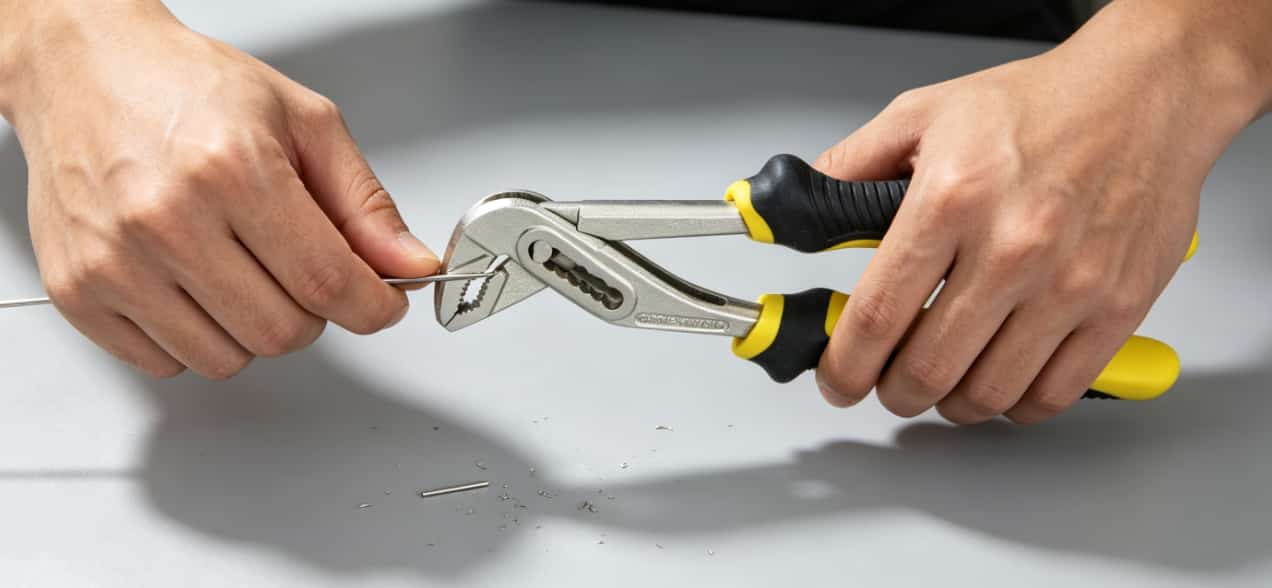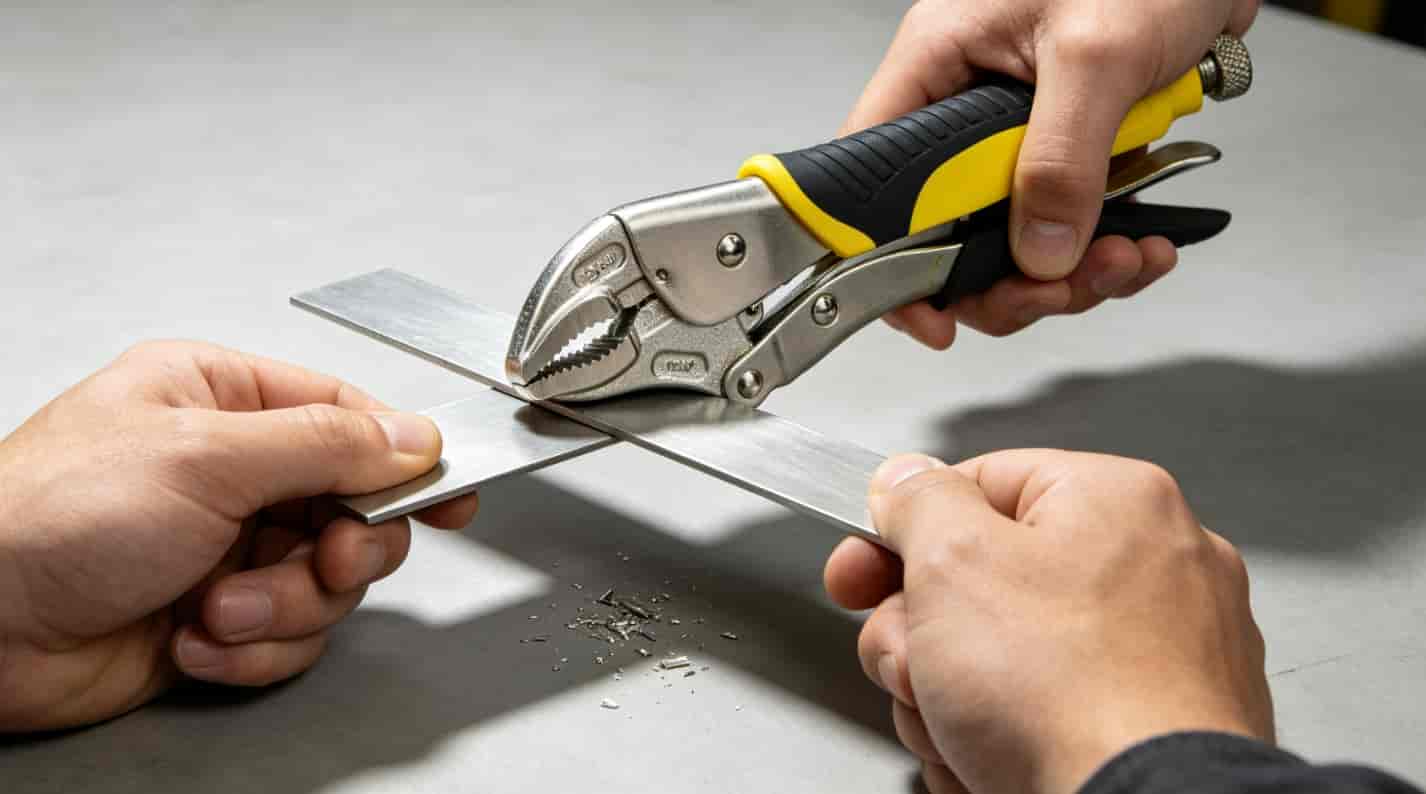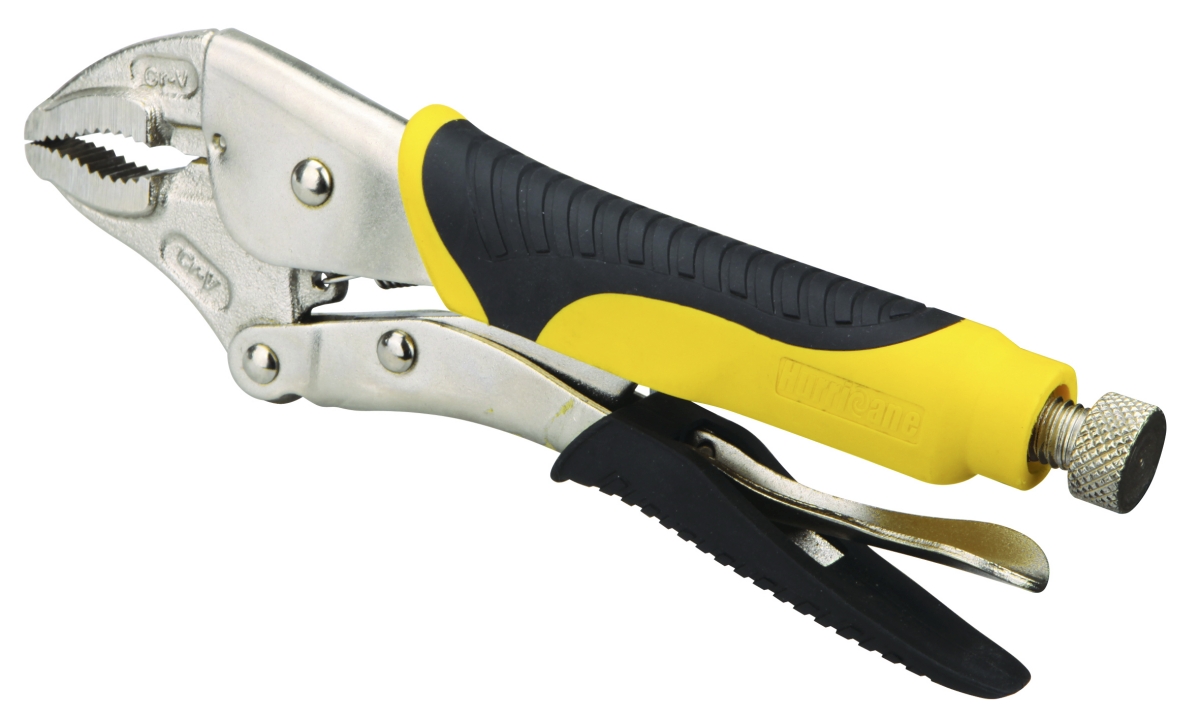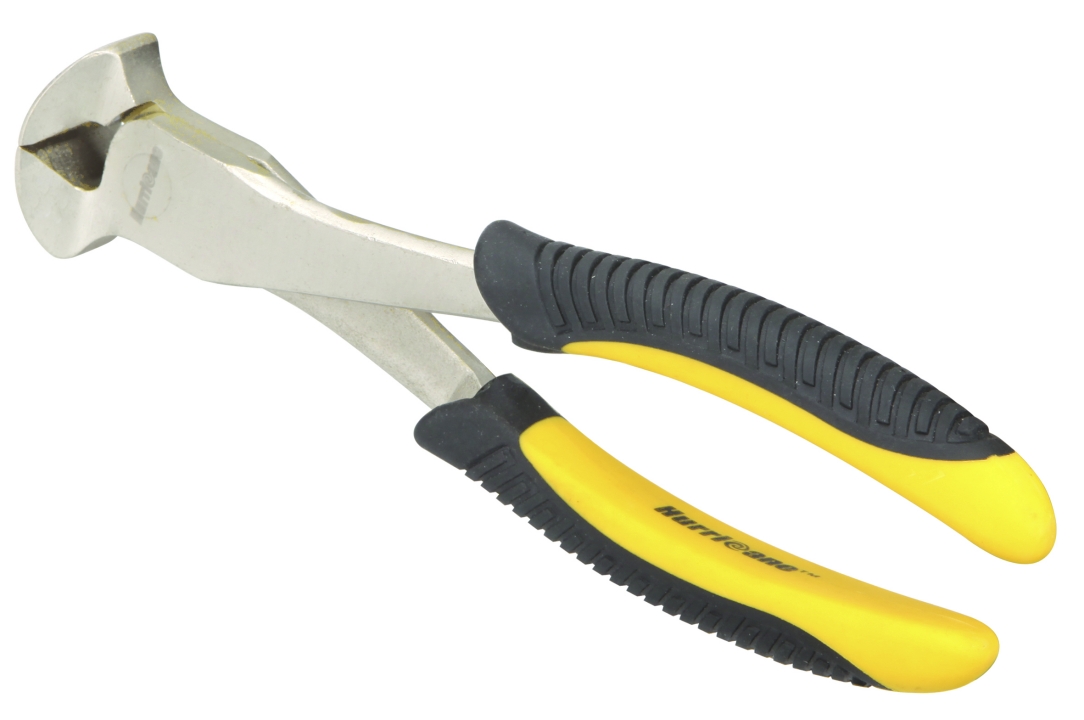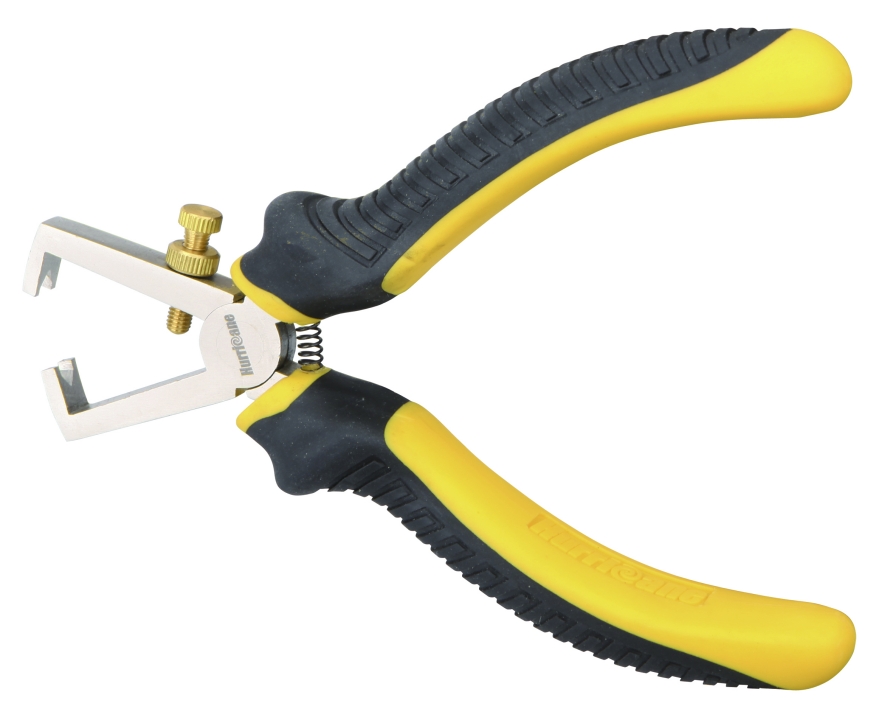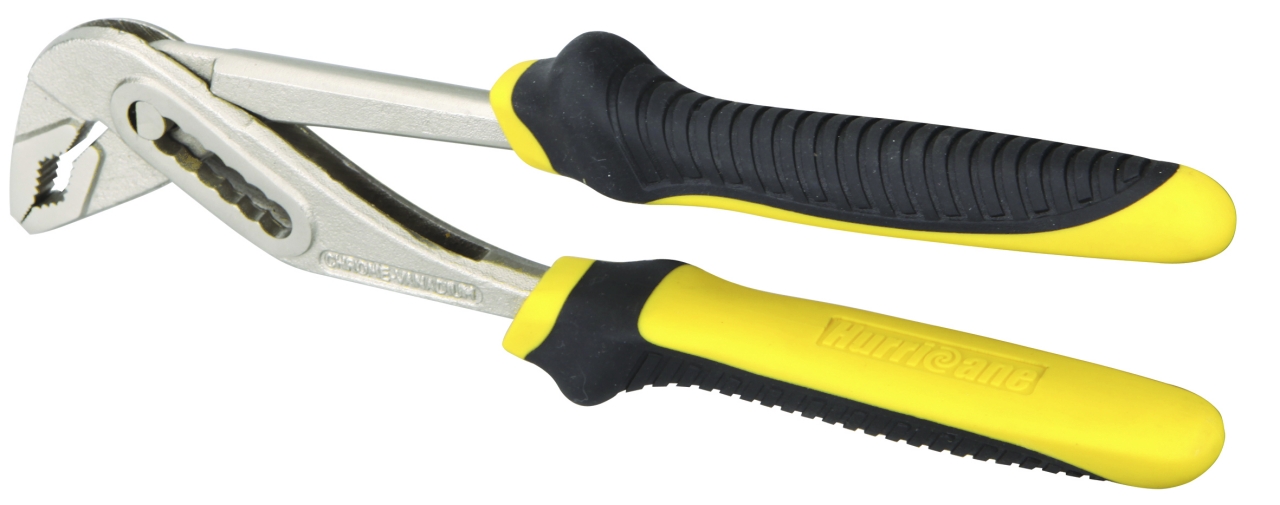
كماشة مضخة المياه are adjustable gripping tools that are primarily used for holding, turning, tightening, and loosening pipes, fittings, nuts, bolts, hose clamps, and other irregularly shaped objects. Thanks to their adjustable groove-joint design, a single pair of pliers can handle multiple sizes of workpiece, making them an indispensable tool for plumbers, automotive repairers, construction workers, industrial maintenance engineers, and DIY enthusiasts.
According to Machinery’s Handbook and the American Society of Mechanical Engineers (ASME), these pliers provide an enhanced gripping force thanks to their leverage and jaw adjustment mechanisms, enabling the safe and efficient handling of cylindrical and non-standard components. OSHA hand-tool safety recommendations also recognise adjustable pliers as essential tools for maintenance and repair operations.
Introduction
Water pump pliers are one of the most versatile hand tools. Whether you’re a professional plumber installing water lines, an automotive technician repairing cooling systems, a maintenance engineer servicing industrial equipment, or a homeowner taking on DIY projects, water pump pliers will often be the first tool you reach for.
Despite their name, water pump pliers are not exclusively designed for water pumps. They got their name from their historical use in servicing automotive water pumps decades ago. Today, they are used in virtually every trade that requires gripping, turning, holding, or adjusting components of different sizes.
Their popularity stems from one simple advantage: adaptability. Unlike standard pliers, which have a fixed jaw opening, water pump pliers feature an adjustable pivot mechanism that enables users to grip objects ranging from small nuts to large-diameter pipes. This flexibility eliminates the need to carry multiple gripping tools and significantly improves efficiency.
As industries continue to demand greater productivity and versatility, water pump pliers remain one of the most valuable tools in both professional and domestic toolkits. This guide explores their uses, advantages, applications, selection criteria, maintenance practices, and industry significance.
What Are Water Pump Pliers?
Water pump pliers are a type of adjustable groove-joint pliers featuring a multi-position pivot that allows the jaw opening to be modified according to the size of the workpiece.
Unlike conventional slip-joint pliers, water pump pliers have a greater jaw capacity and a stronger gripping force. Their angled jaws and serrated teeth enable them to make secure contact with round, flat, hexagonal, and irregularly shaped objects.
Modern water pump pliers are typically manufactured from chrome vanadium steel, chrome molybdenum steel, or high-carbon forged steel. Most premium models also feature:
- Hardened teeth
- Corrosion-resistant coatings
- Ergonomic handles
- Self-locking jaw designs
- Push-button adjustment systems
These improvements have significantly enhanced durability, comfort, and safety.
Main Components of Water Pump Pliers
| Component | Function |
| Upper Jaw | Applies gripping force to the workpiece |
| Lower Jaw | Supports the object during operation |
| Pivot Joint | Creates leverage |
| Adjustment Groove | Allows jaw size adjustment |
| Serrated Teeth | Prevent slipping |
| Handles | Transfer hand force to the jaws |
| Insulated Grip (Optional) | Enhances comfort and safety |
Each component works together to maximize gripping efficiency while minimizing user effort.
How Water Pump Pliers Work?
Water pump pliers operate using leverage and an adjustable geometry.
When pressure is applied to the handles, the pivot joint amplifies the force applied to the jaws. As the pivot can be repositioned, users can optimise the jaw spacing for objects of different sizes.
This design provides the following benefits:
- Stronger grip
- Improved torque transfer
- Better control
- Reduced hand fatigue
- Greater versatility
The serrated teeth further increase friction, preventing slippage when handling smooth or wet surfaces.
Consequently, water pump pliers can securely grip pipes, fittings, and fasteners that would otherwise be difficult to hold with traditional pliers.
Primary Uses of Water Pump Pliers
Plumbing Installation and Repair
Plumbing remains the most common application for water pump pliers.
Professional plumbers regularly use them for:
- Tightening threaded fittings
- Loosening seized connections
- Installing valves
- Holding pipe sections
- Repairing water supply systems
- Working on drainage assemblies
Water pump pliers are especially effective when handling:
- Copper pipes
- PVC pipes
- PEX fittings
- Brass fittings
- Galvanized steel pipes
- Compression connectors
Their adjustable jaws make them ideal for dealing with multiple pipe diameters without switching tools.
For emergency plumbing repairs, water pump pliers often serve as a temporary substitute for larger pipe wrenches when space is limited.
صيانة السيارات
Automotive technicians frequently rely on water pump pliers.
Typical automotive applications include:
- Removing radiator hoses
- Compressing hose clamps
- Adjusting cooling system components
- Holding suspension parts
- Gripping exhaust components
- Repairing fuel line fittings
The tool originally gained popularity because mechanics used it extensively when servicing automotive water pumps, which eventually led to its common name.
Modern vehicles contain numerous clamps, connectors, and fittings that require adjustable gripping tools, making water pump pliers indispensable in automotive workshops.
Industrial Equipment Maintenance
Industrial environments present numerous situations where water pump pliers excel.
Maintenance technicians use them for:
- Machine servicing
- Hydraulic system repairs
- Pneumatic line installation
- Conveyor maintenance
- Equipment assembly
- Fastener adjustment
Industrial machinery often contains components with unusual shapes and dimensions. The adaptability of water pump pliers enables technicians to work efficiently without carrying numerous specialized tools.
Factories, processing plants, refineries, and manufacturing facilities all rely on water pump pliers for routine maintenance operations.
Construction Applications
Construction professionals frequently use water pump pliers throughout building projects.
Applications include:
- HVAC installation
- Electrical conduit work
- Mechanical assembly
- Pipe fitting
- Structural maintenance
- Equipment setup
Their durability makes them suitable for demanding construction environments where tools are subjected to dust, moisture, impacts, and heavy usage.
Many contractors consider water pump pliers an everyday carry tool because of their ability to solve unexpected gripping problems quickly.
Household DIY Projects
Homeowners benefit greatly from water pump pliers because a single tool can perform numerous tasks.
Common household uses include:
- Fixing leaking faucets
- Tightening plumbing connections
- Adjusting appliance fittings
- Repairing garden hoses
- Assembling furniture
- Removing stuck caps and lids
For occasional users, water pump pliers often provide greater value than purchasing multiple specialty tools.
Mechanical Assembly Work
Mechanical assembly frequently involves handling components of varying sizes.
Water pump pliers assist with:
- Positioning parts
- Holding components during fastening
- Securing assemblies
- Temporary clamping
- Adjusting mechanical systems
Because assembly environments require flexibility, water pump pliers are often included in technician toolkits across multiple industries.
Industries That Depend on Water Pump Pliers
Plumbing Industry
Plumbers use water pump pliers daily because water systems contain components of constantly changing dimensions.
Applications include:
- Residential plumbing
- Commercial plumbing
- Municipal water systems
- Irrigation systems
- Water treatment facilities
Automotive Industry
Vehicle repair shops use water pump pliers for:
- Engine repairs
- Cooling systems
- Brake systems
- Exhaust systems
- Fuel delivery systems
Manufacturing Industry
Factories utilize water pump pliers for:
- Equipment maintenance
- Production line servicing
- Machine assembly
- Mechanical repairs
Construction Industry
Construction workers rely on them during:
- Building installation
- Mechanical work
- Utility projects
- Infrastructure construction
Energy Sector
Power plants and utility providers employ water pump pliers for:
- Equipment servicing
- Pipeline maintenance
- Mechanical adjustments
- Facility repairs
Water Pump Pliers vs Other Types of Pliers
Many people confuse water pump pliers with other gripping tools.
The following comparison highlights the differences.
| Tool Type | Adjustable | Best For | Pipe Gripping | التنوع في الاستخدام |
| كماشة مضخة المياه | Yes | Pipes, fittings, irregular shapes | Excellent | Excellent |
| كماشة مفصلية انزلاقية | محدودة | General gripping | Fair | Moderate |
| Tongue and Groove Pliers | Yes | Large objects | Excellent | Excellent |
| كماشة متكاملة | No | General tasks | Poor | Moderate |
| Needle Nose Pliers | No | Precision work | Poor | محدودة |
| Pipe Wrench | Yes | Heavy pipe work | Outstanding | محدودة |
Water pump pliers offer one of the best combinations of versatility and gripping power among all hand tools.
Advantages of Water Pump Pliers
Exceptional Adjustability
A single tool can accommodate dozens of different workpiece sizes.
This reduces:
- Tool changes
- Toolbox weight
- Project downtime
Strong Gripping Force
The leverage mechanism generates significant clamping pressure.
Benefits include:
- Better control
- Less slippage
- Improved safety
التنوع في الاستخدام
Few tools can perform as many functions.
Water pump pliers can:
- Grip
- Hold
- Turn
- Compress
- Adjust
- Position
This versatility makes them one of the most cost-effective tools available.
Durability
Professional-grade models often last decades when properly maintained.
Features contributing to longevity include:
- Forged steel construction
- Heat-treated jaws
- Corrosion-resistant coatings
- Hardened teeth
Access to Tight Spaces
The angled jaw design allows users to reach confined areas where larger tools cannot fit.
This is particularly valuable in:
- Plumbing cabinets
- Engine compartments
- Mechanical enclosures
- Utility spaces
Common Materials Handled by Water Pump Pliers
| Material | Suitability |
| Steel Pipe | Excellent |
| Copper Pipe | Excellent |
| Brass Fittings | Excellent |
| Aluminum Components | Good |
| Plastic Fittings | Good |
| Rubber Hoses | Excellent |
| Stainless Steel Components | Excellent |
| Cast Iron Fittings | Excellent |
Proper jaw pressure should always be used to avoid damaging softer materials.
How to Choose the Best Water Pump Pliers?
Selecting the right water pump pliers depends on the intended use.
Consider the following factors.
Size
Common sizes include:
- 7-inch
- 10-inch
- 12-inch
- 16-inch
- 20-inch
Smaller models provide maneuverability, while larger models generate more leverage.
Jaw Capacity
Maximum opening determines the largest object that can be gripped.
Professionals often prefer models with wider jaw ranges to maximize versatility.
Adjustment Mechanism
Options include:
- Traditional groove adjustment
- Push-button adjustment
- Automatic adjustment
Push-button systems typically offer faster operation and more precise positioning.
Handle Design
Look for:
- Non-slip grips
- Ergonomic contours
- Insulated coatings
Comfort becomes increasingly important during prolonged use.
Material Quality
Premium materials include:
- Chrome vanadium steel
- Chrome molybdenum steel
These alloys provide excellent wear resistance and strength.
Common Mistakes When Using Water Pump Pliers
Many users unintentionally damage tools or workpieces.
Common mistakes include:
Using Excessive Force
Overloading can:
- Damage jaws
- Distort fittings
- Cause slipping
- Incorrect Jaw Position
Poor adjustment reduces grip and increases wear.
Using as a Hammer
Water pump pliers are not impact tools.
Hammering can damage:
- Pivot joints
- Handles
- Teeth
Working on Energized Electrical Circuits
Standard models are not insulated for live electrical work.
Always verify electrical safety requirements.
Maintenance Tips
Regular maintenance significantly extends service life.
Recommended practices include:
- Clean after each use
- Remove dirt and debris
- Lubricate pivot joints
- Store in dry environments
- Inspect teeth regularly
- Check handle condition
Routine maintenance helps maintain smooth adjustment and optimal gripping performance.
Future Developments in Water Pump Pliers
Tool manufacturers continue introducing innovations.
Emerging trends include:
- Self-adjusting jaws
- Lightweight alloys
- Advanced anti-corrosion coatings
- Improved ergonomic handles
- Enhanced gripping geometry
- Smart manufacturing processes
These developments improve productivity while reducing operator fatigue.
Frequently Asked Questions (FAQ)
- Why are they called water pump pliers?
The name originated from their historical use in repairing automotive water pumps. Today, they are used for many applications beyond water pump maintenance.
- Are water pump pliers the same as tongue and groove pliers?
The terms are often used interchangeably. Both refer to adjustable groove-joint pliers, although specific designs may vary between manufacturers.
- Can water pump pliers replace a pipe wrench?
For light and medium-duty applications, yes. However, heavy-duty pipe work typically requires a dedicated pipe wrench for maximum gripping force.
- What size water pump pliers should I buy?
A 10-inch or 12-inch model is generally considered the most versatile choice for homeowners and professionals alike.
- Can water pump pliers damage pipes?
Yes. Excessive pressure may mark or deform softer materials such as copper, brass, aluminum, or plastic fittings. Protective jaw covers can help prevent damage.
- Are water pump pliers suitable for automotive repair?
Absolutely. They are widely used for hose clamps, cooling system components, suspension parts, and various mechanical repairs.
الخلاصة
Water pump pliers are among the most versatile and indispensable hand tools available today. With their adjustable jaws, strong gripping force and ability to accommodate a wide range of workpiece sizes, they are an essential tool for plumbing, automotive repair, industrial maintenance, manufacturing, construction, and household applications.
Unlike many specialised tools that serve a single purpose, water pump pliers offer exceptional flexibility, enabling professionals and DIY enthusiasts alike to grip, turn, tighten, loosen, hold, and adjust countless components with just one tool. Their enduring popularity is a testament to their practical design, durability, and efficiency.
For those building a professional toolbox or upgrading a home workshop, investing in a high-quality pair of water pump pliers is one of the smartest choices available. When selected and maintained correctly, they can deliver decades of reliable performance across thousands of tasks, establishing them as a cornerstone of modern hand tool technology.