Αναλυτική περίληψη
In woodworking and carpentry, it is essential to understand the difference between a πίσω πριόνι and a general hand saw to achieve precision, efficiency, and optimal cutting performance.
According to technical descriptions referenced by the Encyclopaedia Britannica and woodworking standards, a back saw is defined by its reinforced spine, or stiffening rib, which enhances rigidity and cutting accuracy. In contrast, a hand saw, often called a panel saw, features a flexible blade without reinforcement, making it more suitable for longer, rougher cuts.
Further analyses of engineering and craftsmanship highlight that the geometry of the tool — such as blade stiffness, tooth configuration, and cutting mechanics — directly impacts cutting precision, effort, and material suitability.
Introduction: Why This Comparison Matters in Woodworking?
In both professional carpentry and DIY woodworking, choosing the right cutting tool is essential. While the term ‘hand saw’ can refer to any manually operated saw, in practice it usually describes a general-purpose saw for rough or long cuts. In contrast, a back saw is a specialised precision tool.
Using the wrong saw can result in:
- Inaccurate cuts
- Material waste
- Increased physical effort
- Reduced work efficiency
Understanding the difference between a back saw and a hand saw enables users to match the tool to the task, ensuring both precision and productivity.
What Is a Back Saw?
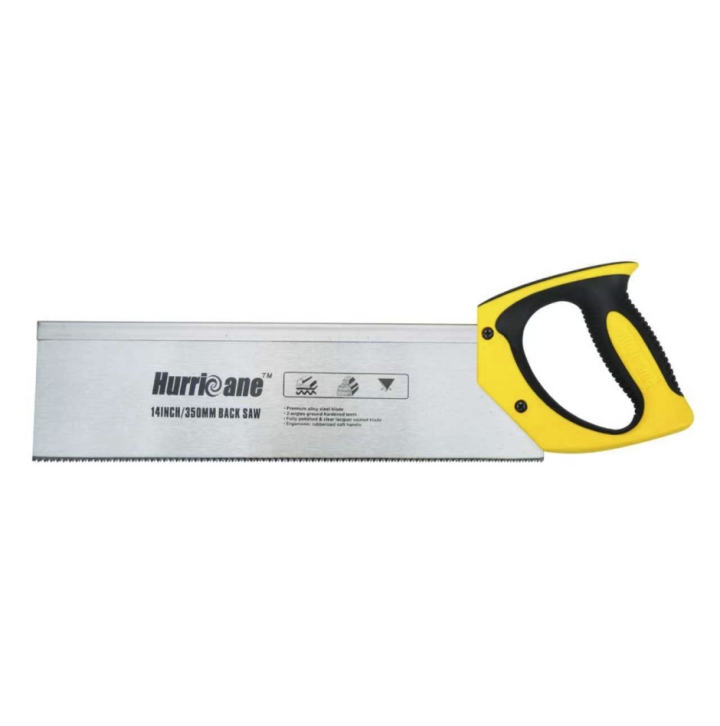
A backsaw is a type of hand saw with a rigid spine (a metal or brass backing) along the top edge of the blade, opposite the cutting teeth.
- Key structural feature
The stiffening rib prevents the blade from bending during use.
- Working principle
Because the blade is rigid, the saw cuts with high accuracy, movement is controlled and stable, and it is ideal for straight, fine cuts.
- Common types of back saw
- Tenon saw
- Dovetail saw
- Mitre saw
These are widely used in joinery and fine woodworking.
What Is a Hand Saw?
A handsaw, often referred to as a panel saw, is a general-purpose cutting tool with a long, flexible blade and no reinforced spine.
- Key structural features:
- No back reinforcement
- Larger blade length
- More flexible cutting edge
- Working principle
The flexibility allows for:
- Longer cutting strokes
- Greater cutting depth
- More versatility in rough cutting tasks
- Hand saws are commonly used for:
- Cutting lumber
- Rough shaping
- General carpentry tasks
Core Difference Between a Back Saw and a Hand Saw
- Blade Structure
| Feature | Πίσω Πριόνι | Λόγχη Χειρός |
| Blade rigidity | High (reinforced spine) | Flexible |
| Spine | Present | None |
| Blade thickness | Thin but supported | Thicker but unsupported |
The reinforced spine is the most critical difference.
- Cutting precision
- Back saw: high precision
- Hand saw: moderate precision
Back saws are designed for fine, controlled cuts, while hand saws are better suited to fast, rough cuts.
- Cutting depth
- Back saw: limited (due to the presence of a spine)
- Hand saw: unlimited (no spine restriction)
The spine of a back saw physically limits how deep the blade can cut.
- Application
| Application Type | Πίσω Πριόνι | Λόγχη Χειρός |
| Joinery work | Excellent | Poor |
| Fine woodworking | Excellent | Moderate |
| Rough cutting | Poor | Excellent |
| Large materials | Περιορισμένο | Excellent |
- Tooth Design and Performance
Back saws typically have:
- Higher teeth per inch (TPI)
- Cleaner cuts
- Slower cutting speed
Hand saws usually have:
- Lower TPI
- Faster cutting
- Rougher finish
- Advanced Comparison Table (Professional Level)
| Performance Factor | Πίσω Πριόνι | Λόγχη Χειρός |
| Accuracy | Very high | Medium |
| Cutting speed | Moderate | Fast |
| Control | Excellent | Moderate |
| Πολυπλοκότητα | Medium | High |
| Effort required | Low–moderate | Moderate–high |
| Skill requirement | Higher | Beginnerfriendly |
Advantages of Back Saws
Back saws are precision cutting tools characterised by a reinforced spine along the blade, which provides rigidity and control. They are widely used in fine woodworking and detailed joinery.
- High cutting precision
- Rigid spine prevents blade flexing
- Enables straight, accurate cuts
- Ideal for fine joinery work
- Clean and smooth finishes
Fine teeth produce minimal tearout, reducing the need for additional sanding.
- Excellent control
- Shorter blade for better handling
- Suitable for intricate and detailed cutting tasks
- Ideal for joinery applications
Perfect for:
- Dovetail joints
- Tenon cuts
- Cabinetmaking
- Consistent cutting depth
The reinforced back limits the cutting depth, ensuring uniform and repeatable results.
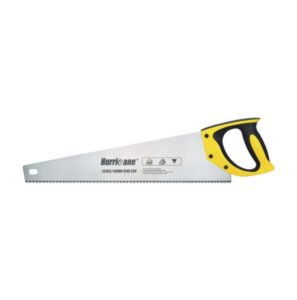
Advantages of Hand Saws
Hand saws are versatile, general-purpose cutting tools without a reinforced spine. They are designed to be flexible and to have a broad range of applications.
- Versatility across materials
Suitable for:
- Wood
- Plastic
- Soft metals (depending on blade type)
- Greater cutting depth
The lack of a spine restriction allows for deeper cuts, making them ideal for cutting large workpieces.
- Flexibility in cutting
The blade can adapt slightly during cutting, making it useful for rough cuts and irregular shapes.
- Faster material removal
Coarser teeth enable quicker cutting, making it efficient for construction and rough work.
- Cost-effective and widely available
Generally more affordable than specialised saws
Available in various sizes and tooth configurations
- Suitable for general construction
Commonly used in:
- Carpentry
- DIY projects
- On-site construction work
When Should You Use a Back Saw vs a Hand Saw?
The choice between a backsaw and a handsaw depends on the required level of precision, the size of the material, and the type of cut needed. Each tool is optimised for different uses.
- Use a back saw when precision matters.
A back saw is the preferred choice for fine, accurate, and controlled cuts.
It is best used for:
- Joinery work (dovetails, tenons, box joints)
- Cabinetmaking and furniture assembly
- Cutting small or delicate workpieces
- Tasks requiring clean edges and minimal finishing
Choose a back saw when:
- Accuracy is more important than speed
- Cuts must be straight and repeatable
- Work involves detailed craftsmanship
- Use a hand saw for general and heavy-duty cutting
A hand saw is ideal for fast, flexible, and deep cutting tasks.
Best used for:
- Cutting large boards or timber
- Rough carpentry and construction work
- Outdoor or onsite cutting
- Situations requiring speed over precision
Choose a hand saw when:
- Cutting depth is significant
- Material size is large
- Speed and efficiency are priorities
- Quick Decision Guide
| Scenario | Recommended Tool |
| Fine woodworking/joinery | Πίσω Πριόνι |
| Large wood cutting | Λόγχη Χειρός |
| Precision cuts | Πίσω Πριόνι |
| Fast rough cuts | Λόγχη Χειρός |
| Deep cuts required | Λόγχη Χειρός |
RealWorld Applications
These two tools are widely used in a variety of industries and practical scenarios.
- Furniture manufacturing:
- Back saws for precision joinery
- Hand saws for rough cutting and sizing materials
- Construction and carpentry
- Hand saws are used for framing and cutting timber.
- Back saws are used for finishing and detailed work.
- DIY and home improvement
- Hand saws for general tasks
- Back saws for detailed projects, such as shelving or cabinetry
- Craftsmanship and woodworking
Back saws are essential for artisans and fine woodworkers and are used in traditional and high-end woodworking.
- Outdoor and field work
Hand saws are preferred due to their portability and versatility, and are suitable for cutting branches, lumber, and construction materials.
Industry Insight: Tool Design Evolution
Modern manufacturers such as SOHO SUMEX TOOLS are enhancing both back saws and hand saws with:
- Ergonomic handles
- Hardened teeth for longer life
- Improved blade materials
- Precision-ground cutting edges
These innovations improve both user comfort and cutting efficiency, bridging the gap between traditional craftsmanship and modern performance.
Emerging Trends in Hand Tools (2026)
The hand tool industry is evolving, focusing on ergonomics, innovative materials, and hybrid functionality.
- Ergonomic design and user comfort
- Improved handle designs to reduce fatigue
- Antislip and vibration-reducing grips
- Tools optimised for longterm use
- Advanced blade materials
- High-carbon steel and alloy enhancements
- Longer-lasting sharpness and wear resistance
- Corrosion-resistant coatings
- Hybrid and multifunctional tools
- Combination tools integrating multiple functions
- Foldable or modular designs for portability
- Precision manufacturing improvements
- Lasercut teeth for consistent performance
- Enhanced cutting efficiency and smoother finishes
- Sustainability and eco-friendly production
- Increased use of recyclable materials
- More durable tools to reduce waste
- Integration with power tool systems
- Hand tools designed to complement power tools
- Hybrid workflows in professional environments
FAQ: Back Saw vs Hand Saw
What is the main difference between a back saw and a hand saw?
A back saw has a reinforced spine for precision, while a hand saw has a flexible blade for general cutting.
Which saw is better for beginners?
Hand saws are generally easier for beginners due to their versatility.
Why does a back saw have a spine?
The spine increases rigidity, allowing for more accurate cuts.
Can a back saw cut deep materials?
No, the spine limits the cutting depth.
Which saw is best for woodworking joints?
A back saw is the best choice for precise joinery work.
Συμπέρασμα
The main differences between back saws and hand saws lie in their design, precision, and intended use. Back saws, with their reinforced spine, offer unparalleled accuracy for fine woodworking and joinery, while hand saws are ideal for larger roughcutting tasks.
Rather than competing with each other, they complement each other, each serving a distinct role in woodworking. The right tool for the job depends on the specific task, material, and desired level of precision.
Understanding this distinction ensures better results, improved efficiency, and higher-quality craftsmanship for professionals and DIY users alike.