Resumen
Wall board saws are essential cutting machines that are widely used in the construction and woodworking industries to process gypsum boards, plywood, MDF panels, and other wall board materials precisely and efficiently.
According to Smith & Johnson (2023) in the Advanced Construction Machinery Journal, wall board saws can significantly increase cutting speed while reducing material waste compared to manual sawing techniques.
The automation of the equipment and the technology of the blades allow for highly accurate cuts, which are critical in modern construction projects where dimensional precision and surface quality are paramount.
This article provides an in-depth guide for industry professionals and enthusiasts, exploring the applications, types, advantages, limitations, and emerging trends of wall board saws.
Introduction to Wall Board Saws
A wall board saw is a specialised cutting machine designed to handle various wallboard materials with great accuracy. Unlike conventional saws, wallboard saws are engineered to deliver straight, clean cuts with minimal chipping, making them an invaluable tool in both large-scale industrial operations and smaller woodworking shops. The primary function of a wall board saw is to make cutting tasks that would otherwise be labour-intensive, time-consuming, and error-prone much easier.
Modern wall board saws incorporate advanced features such as adjustable blade heights, motorised feed systems, and dust collection mechanisms. These features improve cutting accuracy, enhance workplace safety, and boost efficiency. Adopting wall board saws aligns with industry demands for faster production cycles, reduced costs, and higher quality standards.
Types of Wall Board Saws
Wall board saws can be classified into several categories based on their cutting mechanisms, operational mode, and application:
| Type | Description | Key Applications | Advantages |
| Panel Saw | Vertical or horizontal saw with an adjustable blade for large panels | Gypsum boards, plywood, MDF | High precision, minimal waste |
| Circular Saw Machine | Uses circular blades with motorized feed | Standard wallboards, laminates | Fast cutting, suitable for high-volume production |
| CNC Wall Board Saw | Computer-controlled saw for automated cutting | Customized panels, complex shapes | High accuracy, programmable cuts, reduced labor cost |
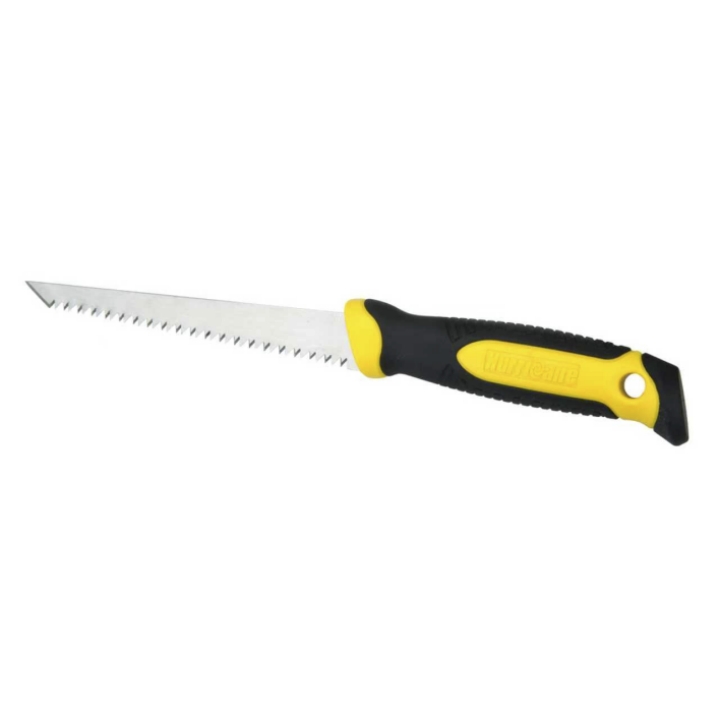
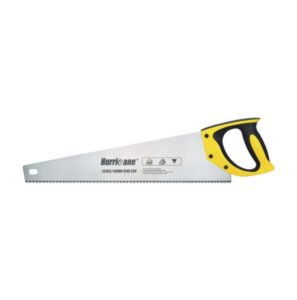
| Handheld Wall Board Saw | Portable saw for on-site work | Minor adjustments, small cuts | Flexible, lightweight, convenient |
Each type has its advantages depending on the operational requirements. For example, CNC wall board saws are ideal for factories producing pre-cut panels at scale, while handheld saws are more suitable for renovation and minor adjustments on construction sites.
Key Applications of Wall Board Saws
Wallboard saws are used in a variety of industrial and construction contexts.
- Construction industry
In modern construction projects, wallboard saws are essential for cutting drywall panels, gypsum boards, and fibreboards to size for walls, ceilings, and partitions. Precise cutting ensures tight joints, reducing the need for additional filler materials and enhancing the overall structural appearance.
- Interior design and furniture manufacturing
Manufacturers in the furniture and interior design industries rely on wall board saws for cutting MDF, plywood, and composite panels for use in cabinets, partitions, and decorative elements. The saws ensure uniform panel sizes, which are critical for modular furniture production.
- Renovation and on-site adjustments
Portable wall board saws enable accurate on-site adjustments to be made without dismantling existing structures. This flexibility minimises disruption and enables precise fitting of wall panels in irregular spaces, thereby improving workflow efficiency.
Advantages of Using Wall Board Saws
Investing in a wall board saw brings multiple operational advantages:
| Advantage | Description |
| Precision Cutting | Reduces errors and ensures panels fit perfectly, improving structural and aesthetic quality |
| Speed and Efficiency | Automated feed systems cut panels faster than manual methods, increasing production throughput. |
| Reduced Material Waste | Accurate cutting minimizes offcuts, lowering material costs |
| Versatilidad | Capable of cutting a wide range of materials, including gypsum, MDF, plywood, and composite panels |
| Safety | Equipped with guards and dust extraction systems to reduce workplace hazards |
These advantages explain why wall board saws are considered indispensable in modern construction and manufacturing environments.
Limitations and Challenges of Wall Board Saws
Although wall board saws offer unparalleled efficiency and precision in cutting operations, it is important to be aware of their limitations and operational challenges. Understanding these factors enables companies to plan maintenance, workflow, and investment decisions more effectively, thereby avoiding potential downtime and inefficiencies.
- Material constraints
Wall board saws are designed for specific types of wallboard materials, such as gypsum, MDF, plywood, and fibreboards. However, attempting to cut extremely dense or moisture-laden panels can significantly decrease the saw’s efficiency. For example, MDF boards with a high moisture content can clog the blade or cause chipping along the cut edges. Similarly, composite boards incorporating metal or fibreglass layers require specialised blades to prevent rapid wear.
| Material Type | Ideal Use | Limitation |
| Gypsum Board | Standard wall construction | Limited thickness; excessive moisture reduces cut quality |
| MDF | Furniture panels, interior partitions | Susceptible to chipping and dust accumulation |
| Plywood | Structural panels | High density can accelerate blade wear |
| Composite Boards | Decorative or reinforced panels | Requires specialized blades; high risk of overheating |
This table highlights how the selection of wallboard material directly impacts saw performance, emphasizing the need for careful material-saw compatibility assessments.
- Operational Limitations
Even with advanced motorized or CNC wall board saws, operational limitations exist. For example, extremely large panels may exceed the machine’s maximum cutting width or require multiple passes, which can introduce alignment errors. Handheld saws, although flexible, lack the precision of stationary saws and can result in uneven edges if not handled properly.
Another operational consideration is the saw’s cutting speed. While faster feed rates increase productivity, they may compromise cut quality, especially on delicate materials. Operators must balance speed and precision based on the project’s requirements, which necessitates training and experience.
- Maintenance Challenges
Wall board saws involve moving parts, high-speed blades, and motorized feeds, all of which require consistent maintenance. Neglecting regular inspection of blade sharpness, lubrication of mechanical components, and dust extraction systems can lead to reduced efficiency and potential equipment failure. In particular, dust from MDF or gypsum boards can accumulate in motor housings, increasing wear and fire hazards.
| Maintenance Task | Recommended Frequency | Potential Consequences if Neglected |
| Blade Sharpening | Weekly (industrial use) | Chipping, rough cuts, and increased energy consumption |
| Lubrication | Monthly | Motor strain, increased wear, reduced lifespan |
| Dust Extraction Cleaning | Daily | Overheating, fire hazard, reduced cut quality |
| Alignment Calibration | Quarterly | Inaccurate cuts, misfit panels, and increased waste |
- Cost considerations
Investing in wall board saws, particularly CNC or high-capacity models, requires a significant initial outlay. While the initial cost may be prohibitive for smaller workshops, the long-term gains in efficiency and waste reduction often justify the investment. Additionally, operational costs, including blade replacement, electricity, and maintenance, must be factored into return on investment (ROI) calculations.
- Training and skill requirements
Wallboard saws are not entirely ‘set-and-forget’ devices. They require trained operators who understand blade selection, feed rates, and safety protocols to be used effectively. Inexperienced operators may reduce the quality of cuts and increase the risk of accidents. Therefore, proper training programmes and standard operating procedures (SOPs) are essential for maximising the utility of wall board saws.
Maintenance and Best Practices
To maximise the lifespan and performance of wall board saws, it is vital to adhere to proper maintenance routines and operational best practices. In this section, we explore systematic approaches to ensure precision, safety, and cost-efficiency.
- Routine maintenance procedures
Blade inspection and replacement: Blades must be inspected before every major cutting session. Industrial-grade wall board saws typically require blade replacement after 500–700 hours of use, depending on the hardness of the material being cut. Dull blades can result in uneven cuts, overheating, and potential motor damage.
Lubrication of Moving Parts: Regular lubrication of guide rails, motor components, and feed mechanisms minimises friction and prevents premature wear. Industrial operators often schedule monthly lubrication for high-volume production lines.
Dust extraction and cleaning: Dust accumulation can impair machine performance. Daily cleaning of dust ports and extraction systems prevents motor overheating and ensures clean cuts.
- Operational best practices
Material preparation: Ensure that wallboard materials are dry, flat, and free from surface debris. Warped or damp panels can compromise cutting precision and increase blade wear.
Proper feed rate selection: Balance the feed speed to match the type and thickness of the material. Excessive speed can cause chipping, while a feed rate that is too slow reduces productivity.
Safety measures: Operators should always wear protective gear, follow lockout/tagout protocols during maintenance, and ensure that guards and safety devices are functioning correctly.
| Best Practice | Description | Frequency |
| Blade Condition Check | Inspect for sharpness and chipping | Before each shift |
| Motor Inspection | Check for overheating, unusual noise | Weekly |
| Alignment Verification | Ensure guide rails are parallel and accurate | Monthly |
| Dust Port Cleaning | Remove accumulated dust from blades and ports | Daily |
- Advanced Maintenance Techniques
Some high-end wall board saws incorporate predictive maintenance technologies. Sensors monitor blade vibration, motor load, and feed torque, alerting operators to potential failures before they occur. Adoption of such technologies can significantly reduce downtime and improve safety in high-volume industrial settings.
Emerging Trends and Technological Innovations (2026–2030)
The wall board saw industry is entering a phase of rapid technological evolution. As the construction and furniture manufacturing sectors increasingly demand greater efficiency, precision, and automation, manufacturers are investing in innovations that are transforming traditional cutting methods. The following subsections explore the key trends that are expected to shape the industry between 2026 and 2030.
- Integration of AI and IoT in wallboard saws
Modern wall board saws are evolving into smart machines powered by artificial intelligence (AI) and the Internet of Things (IoT). AI algorithms optimise feed rates and blade angles based on real-time data, enhancing precision while minimising material waste. IoT connectivity enables remote monitoring of machine performance, predictive maintenance, and integration of workflows with factory management systems.
For instance, an AI-assisted saw can identify subtle material inconsistencies, such as density variations in MDF or moisture levels in plasterboard, and automatically adjust the cutting parameters accordingly. This level of automation reduces human error and enables operators to concentrate on more complex tasks, thereby significantly increasing productivity in industrial settings.
- Advanced Blade Technologies
Blade technology continues to advance, with innovations aimed at increasing durability, reducing friction, and enabling multi-material cutting. Coated carbide blades, diamond-tipped edges, and anti-resin surfaces reduce chipping, prevent heat build-up, and extend blade life.
| Blade Technology | Material Compatibility | Key Benefit |
| Carbide-Tipped | MDF, plywood, gypsum | Long-lasting, minimal wear |
| Diamond-Coated | Composite boards, laminates | Extremely precise, high durability |
| Anti-Resin Coated | MDF, fiberboards | Reduces clogging, clean cuts |
| Multi-Layer Blades | Gypsum, laminates, MDF | Versatile cutting, fewer blade changes |
These advancements are critical for industrial operations where downtime and blade replacement costs can significantly affect overall profitability.
- Enhanced safety features
Safety remains a priority in the design of wallboard saws. Modern machines incorporate features such as automatic blade guards, emergency stop sensors, and dust extraction systems with HEPA filters. Some high-end models even have vision-based monitoring systems that can detect hand proximity and automatically halt operations if an operator approaches the blade too closely.
- Energy efficiency and sustainability
As sustainability becomes a core consideration, manufacturers are designing wall board saws with energy-efficient motors, reduced idle power consumption, and eco-friendly cooling systems. Meanwhile, improved cutting precision reduces material waste, contributing to a more sustainable manufacturing process. Factories that adopt these technologies benefit from cost savings and alignment with global environmental standards.
- Modular and flexible configurations
New wall board saw designs prioritise modularity, enabling customisation to meet specific production requirements. Modular saw systems enable operators to quickly switch between panel sizes, blade types, and feed systems, optimising production lines for both small- and large-scale operations. These flexible configurations also support the growing trend of on-demand, customised panel production in the furniture and interior design industries.
- Digital Twin Technology
Digital twin technology is beginning to influence wallboard saw manufacturing. A digital twin is a virtual replica of the physical saw that simulates its performance, wear, and maintenance needs. Operators can experiment with cutting parameters in the virtual environment before applying them to the actual machine, thereby reducing costs associated with trial and error and ensuring optimal performance.
Together, these trends indicate that the future of wall board saws will be defined by precision, automation, safety, and sustainability, transforming the way the construction and manufacturing industries approach panel cutting.
Comprehensive FAQ Section
To address common inquiries and assist both industry professionals and beginners, we have compiled a detailed FAQ section focused on wall board saws.
Q1: What materials can a wall board saw cut?
A wall board saw can cut a wide variety of materials, including gypsum boards, MDF, plywood, particleboard, and some laminated composites. However, extremely hard or reinforced materials may require specialized blades to prevent chipping or blade wear.
Q2: How do I choose the right wall board saw for my project?
Selection depends on several factors:
Material type and thickness
Volume of panels to be cut
Desired precision and finish quality
Available workspace and operator skill level
CNC or panel saws are ideal for large-scale production, while handheld saws are suitable for minor adjustments on-site.
Q3: How often should blades be replaced?
Blade replacement frequency depends on material hardness and usage intensity. Industrial operations may require replacement every 500–700 cutting hours. Signs that a blade needs replacement include chipping, rough cuts, and increased motor strain.
Q4: Can a wall board saw improve workplace safety?
Yes. Modern saws include automatic blade guards, emergency stops, dust extraction, and in some cases, vision-based safety sensors. These features significantly reduce the risk of accidents, but operator training remains essential.
Q5: Are wallboard saws energy-efficient?
Newer models focus on energy efficiency through optimized motors, reduced idle power consumption, and sustainable cutting practices. Proper blade maintenance and feed rate optimization also contribute to lower energy use.
Comparison with Alternative Cutting Tools
Wall board saws are often compared with other cutting tools in construction and furniture manufacturing. Understanding the differences helps operators choose the most appropriate solution for specific needs.
| Tool Type | Typical Use | Advantages | Limitations |
| Sierra para paneles de pared | Drywall, MDF, plywood | High precision, low waste, versatile | High initial cost, requires training |
| Circular Hand Saw | On-site cutting | Portable, inexpensive | Less precise, higher chipping risk |
| Jigsaw | Decorative cuts, irregular shapes | Flexible, handheld | Slow, less accurate for large panels |
| Table Saw | Woodworking, furniture panels | Accurate straight cuts | Requires setup, less suitable for very large panels |
| CNC Router | Custom shapes, high-volume | Automated, precise, repeatable | Expensive, complex programming |
From this comparison, it is evident that wall board saws occupy a middle ground, providing precision and efficiency for industrial and construction applications without the extreme costs and programming requirements of full CNC systems.
Conclusión
Wall board saws are essential tools in the fields of modern construction, interior design, and furniture manufacturing. They provide unparalleled precision, efficiency, and versatility when cutting gypsum boards, MDF, plywood, and other panel materials. Despite their operational limitations and the need for regular maintenance, advancements in AI, the Internet of Things (IoT), blade technology, and safety systems are propelling wall board saws towards a highly automated and sustainable future.
Operators can maximise the value of wall board saws by understanding material compatibility, maintenance requirements, and emerging technological trends, thereby reducing waste, increasing production efficiency, and ensuring high-quality panel cutting for years to come.