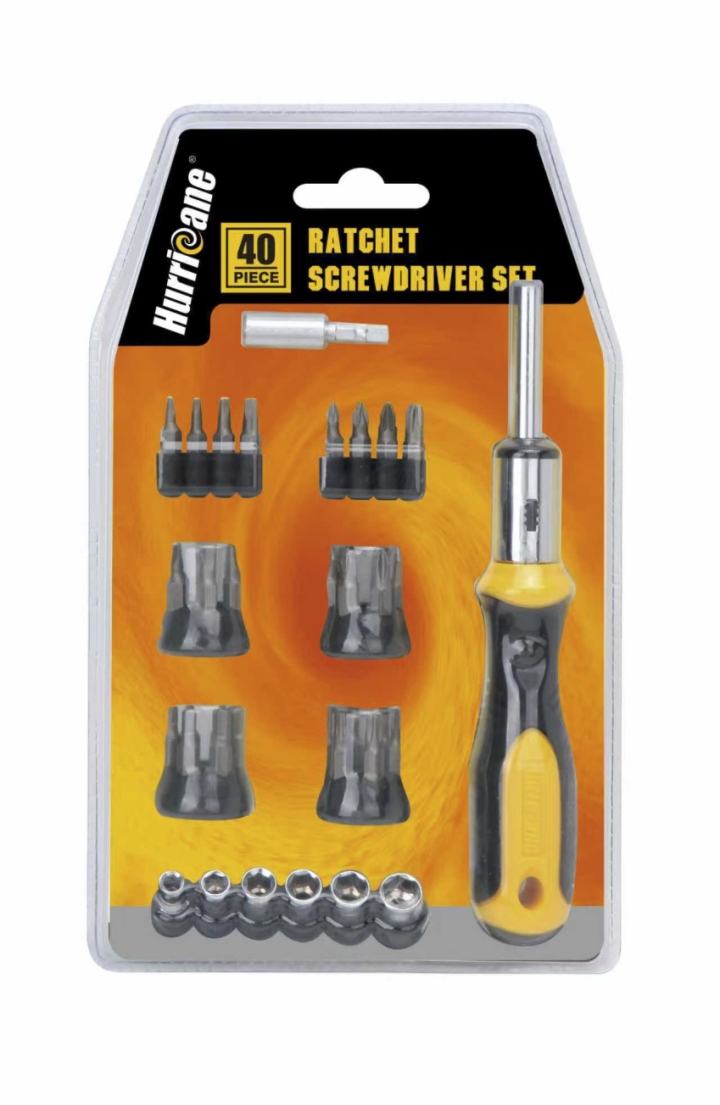
A ratchet screwdriver is a hand tool designed to increase efficiency by enabling continuous rotation in one direction while preventing reverse motion. This allows users to tighten or loosen screws without repositioning their grip. Tool engineering analyses and product testing data indicate that ratcheting screwdrivers significantly improve working speed, reduce fatigue, and enhance torque application compared to traditional screwdrivers.
Industry evaluations further indicate that the best ratchet screwdrivers are defined by a combination of factors, including ratchet mechanism quality, torque capacity, ergonomics, bit versatility, and durability. Professional-grade tools often feature ratchets with a high tooth count (50–72+ teeth) for smoother operation and greater precision.
Introduction: Why “Best” Depends on Use Case
The idea that there is one universally ‘best’ ratchet screwdriver is misleading. In reality, the optimal tool depends on the following factors:
- Application (DIY vs professional)
- Required torque
- Working environment (tight spaces vs open areas)
- Frequency of use
- Bit compatibility
For example:
Electricians prioritise insulation and precision, mechanics prioritise torque and durability, and DIY users prioritise versatility and cost.
What Is a Ratchet Screwdriver? (Definition Block)
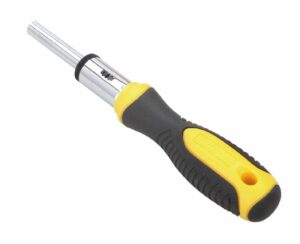
A ratchet screwdriver is a multidirectional hand tool with a ratcheting mechanism that enables continuous screw driving without having to remove the tool from the fastener.
Advantages:
- Continuous rotation for faster work
- Reduced hand fatigue
- Improved efficiency in tight spaces
Key Features That Define the Best Ratchet Screwdriver
Ratchet Mechanism Quality (Most Critical Factor)
The ratchet system determines smoothness, durability, and precision.
Tooth Count Explained
| Tooth Count | Performance Level | Use Case |
| <24 teeth | Low quality | Occasional DIY |
| 24–72 teeth | Standard | General use |
| 72+ teeth | Professional | Precision work |
Higher tooth count = smaller swing angle = smoother operation
Torque capacity
A high-quality ratchet screwdriver can handle:
Up to ~50 Nm of torque in durable models.
Why it matters:
- Prevents gear damage
- Ensures longterm durability
- Supports heavy-duty applications
Ergonomic handle design
Comfort directly impacts productivity.
Key features:
- Rubberised grip
- Antislip texture
- Palm support
Ergonomic handles also allow higher torque application without causing fatigue.
Bit system and versatility
Modern ratchet screwdrivers often include:
- Multibit storage
- Magnetic bit holders
- Interchangeable shafts
Build quality and materials
High-end tools use:
- Hardened steel gears
- Reinforced internal mechanisms
- Corrosion-resistant coatings
Comparison Table: Choosing the Best by Scenario
| Use Case | Best Type | Key Features |
| DIY home use | Multibit screwdriver | Versatility, affordability |
| Professional mechanic | Heavy-duty ratchet | High torque, durability |
| Electronics repair | Precision ratchet | High tooth count, small size |
| Tight spaces | Stubby ratchet | Compact design |
Advanced Buying Criteria (ProLevel Insights)
For professional users and B2B buyers, choosing a ratchet screwdriver is about more than just “how many bits are included”. The real difference in performance lies in the precision of the mechanism, the engineering of the materials, and the long-term durability under load.
Ratchet mechanism quality (core performance factor):
The ratchet system determines efficiency, smoothness, and lifespan.
What to evaluate:
- Tooth count (gear resolution):
- 72tooth: 5° swing arc (tight spaces)
- 40–60 tooth: standard performance
Example: Finetooth mechanisms allow operation in confined areas where full rotation isn’t possible.
Pro insight:
Higher tooth count = smoother control
Low backdrag = better precision work
Torque capacity and load handling
Not all ratchet screwdrivers are built for high torque.
Key indicators:
- Reinforced internal gear system
- Metal (not plastic) ratchet housing
- Locking mode (convert to fixed screwdriver)
Insight:
Professional tools must handle both speed (ratchet mode) and torque (locked mode).
Bit material and hardness (critical for longevity)
Bit quality is often the first point of failure.
Preferred materials:
- S2 steel (high-end, HRC 58–62 hardness)
- Chrome vanadium (CrV) for standard use
What to check:
- Heat treatment process
- Wear resistance
- Magnetic tip quality
Pro tip: Cheap bits strip screws, causing far higher downstream costs than the tool itself.
Ergonomics and grip engineering
Comfort directly affects productivity and safety.
Key features:
- Dualmaterial handles (TPR + PP) for grip
- Antislip texture
- Balanced weight distribution
Insight:
Ergonomics is not optional in professional environments — it affects fatigue and accuracy.
Modular system and bit compatibility
Prioritise standard:
1/4″ hex bit compatibility (industry standard)
Advanced features:
- Internal bit storage
- Quickrelease chuck
- Extension shafts
Why it matters:
Compatibility reduces longterm tooling costs and increases flexibility.
Manufacturing Precision & Tolerances
Tight tolerances define high-end ratchet screwdrivers.
Indicators of quality:
- CNC machining of components
- Consistent ratchet engagement
- Minimal mechanical play
Example: Professional manufacturers use CNC and forging processes for durability and precision
ApplicationSpecific Design
Different industries require different configurations:
| Application | Key Requirement |
| Electronics | Precision, low torque |
| Automotive | High torque, durability |
| Construction | Versatility, robustness |
| Furniture assembly | Multibit convenience |
Insight:
There is no “one-size-fits-all”—tool selection must match use case.
Lifecycle Cost vs Purchase Price
Hidden cost factors:
- Bit replacement frequency
- Mechanism wear
- Downtime from tool failure
Pro insight:
A higher upfront investment often results in lower total cost of ownership (TCO).
Industry Insight: Role of Manufacturers
The ratchet screwdriver industry is heavily influenced by manufacturing capability and engineering expertise rather than branding.
Manufacturers define quality, not just brands.
Behind most global tool brands are:
- OEM/ODM factories
- Specialised component suppliers
- Precision machining facilities
Insight:
The same factory may produce tools for multiple brands, which can be of different quality tiers.
Vertical integration = competitive advantage
Leading manufacturers control:
- Raw material sourcing (steel quality)
- Heat treatment processes
- Assembly and quality inspection
Result:
- Better consistency
- Lower defect rates
- Faster innovation cycles
Research and Development (R&D) and Innovation Capabilities
Top manufacturers invest in:
- New ratchet mechanisms (higher tooth count, smoother action);
- Ergonomic handle design;
- Advanced coatings (anticorrosion and wear resistance).
Example:
In-house R&D enables continuous improvement in durability and performance.
Customisation and OEM opportunities
For B2B buyers:
Key services:
- Private labelling
- Custom bit configurations
- Packaging customisation
- Branding integration
Insight:
OEM manufacturing enables brands to differentiate themselves without having to build factories.
Quality standards and compliance
Professional manufacturers follow:
- DIN/ISO tool standards
- REACH/environmental compliance
- Internal durability testing
Impact:
Ensures reliability in global markets.
Industrial Clusters and Supply Chain Efficiency
Major production hubs (e.g., China, Taiwan, and Germany) provide:
- Specialised labour
- Component ecosystems
- Cost advantages
Insight:
Clustered manufacturing improves speed, cost, and scalability.
Advantages of Using a Ratchet Screwdriver
A ratchet screwdriver is designed to offer greater efficiency, control, and ergonomics than traditional screwdrivers. Its main advantage is the ratcheting mechanism, which enables continuous rotation without the need for repositioning.
- Higher efficiency and faster work
Continuous turning motion (no need to lift and reset)
Ideal for repetitive tasks like assembly
Impact:
Users can significantly reduce working time and increase productivity.
- Reduced fatigue and better ergonomics
Ergonomic handles reduce hand strain
Less wrist movement is required
Result:
Lower risk of fatigue and repetitive strain injuries
- Improved torque control
Better leverage compared to standard screwdrivers
More precise tightening and loosening
Benefits:
- Prevents overtightening
- Reduces screw damage
- Better performance in tight spaces
Small swing arc (especially high-tooth ratchets)
Works where full rotation is impossible
Insight:
This is critical for electronics, automotive work, and confined environments.
- Versatility with interchangeable bits
Supports multiple screw types
One tool replaces multiple screwdrivers
Result:
Lower tool inventory and higher flexibility
- Enhanced safety
Reduced slipping due to controlled motion
Less physical strain
Outcome:
Safer operation, especially during repetitive industrial tasks
Future Trends in Ratchet Screwdrivers (2026+)
The ratchet screwdriver industry is evolving, with a clear focus on performance, ergonomics, and intelligent functionality.
- Smart and digital integration
Emerging features include:
- Torque sensors
- Digital readouts
- Bluetooth/data tracking
Direction:
Tools are becoming data-driven and precision-controlled systems.
- Ergonomic and fatigue-reduction design
Advanced grip materials
Optimised handle geometry
Lightweight structures
Trend:
Ergonomics is now a core product differentiator
- Compact and lightweight tools
Designed for tight spaces
Improved portability
Driven by:
Demand from the electronics, automotive, and fieldwork industries
- Modular and system-based toolkits
Interchangeable bits and extensions
Integrated storage systems
Industry shift:
From single tools to tool ecosystems
- Advanced materials and durability
High-strength alloys
Improved wear resistance
Corrosion-resistant coatings
Goal: Longer lifespan and higher performance
- Sustainability and eco-friendly production
Recycled materials
Low-impact manufacturing
Driven by:
Regulatory pressure and environmental awareness
- Growth of hybrid and electric ratchet tools
Manual and electric hybrid designs
Batteryassisted ratcheting
Trend:
Bridging the gap between hand tools and power tools
- Market expansion and ‘prosumer’ demand
Growth driven by DIY and professional users
Rising demand for high-quality tools
Insight:
The market is projected to grow steadily (with a CAGR of ~5%) due to the demand for efficient, ergonomic tools.
FAQ: Ratchet Screwdriver
What is the best ratchet screwdriver brand?
Top brands include Wera, Craftsman, and Milwaukee, but the best choice depends on your application.
What should I look for in a ratchet screwdriver?
Focus on ratchet quality, torque capacity, ergonomics, and bit compatibility.
Are ratchet screwdrivers better than regular ones?
Yes, they are faster and reduce fatigue, especially for repetitive tasks.
What is a good ratchet tooth count?
At least 50 teeth for smooth operation; 72+ for professional use.
Can a ratchet screwdriver replace a drill?
No, but it is ideal for precision and manual control tasks.
結論
So, what is the best ratchet screwdriver?
There is no single, universal answer, but the best tool combines the following features:
a high-quality ratchet mechanism with 50–72+ teeth;
strong torque capacity;
an ergonomic design;
a versatile bit system;
durable construction.
Professional brands such as Wera and Craftsman set industry benchmarks, while manufacturers like SOHO SUMEX TOOLS CORP continue to drive innovation behind the scenes.
Ultimately, the best ratchet screwdriver is a precision-engineered solution designed to improve efficiency, control, and long-term performance, not just a tool.