Article Summary:
Sharpening wooden tools is crucial to many wood-related occupations, including crafts, manufacturing, and processing wood for industry. A sharp chisel increases the accuracy of the cut, decreases the amount of wasted material, increases safety, and extends the life of the tool.
Authoritative references, like The Complete Guide to Sharpening by Leonard Lee (Lee Valley), Understanding Wood by R. Bruce Hoadley, and Woodworking Basics by Peter Korn, are responsible for the majority of the cutting performance and the long life of the edge.
This article provides a comprehensive explanation of how to utilize 木彫り用ノミ traditionally, while also utilizing modern methods of sharpening.
Introduction: Why Properly Sharpened Wood Chisels Matter
In the woodworker, the quality of the cut is primarily determined by the sharpness of the tool. Even the most grade steel wood chisel will have a poor performance if its edges are dull, uneven, or not maintained properly. Many novices believe that sharpening is a periodic task, but experienced woodworkers know that sharpening is a perpetual process and is essential to craftsmanship.
From hand-dovetail and mortise cuts to industrial joinery and final projects, a sharp chisel allows for controlled, clean cuts that preserve the fibers of wood instead of destroying them. This article not only describes the process of sharpening wood chisels, but also why each step is important. This article helps readers to develop a consistent method of achieving results that are repeatable.
Understanding Wood Chisels and Their Cutting Edge
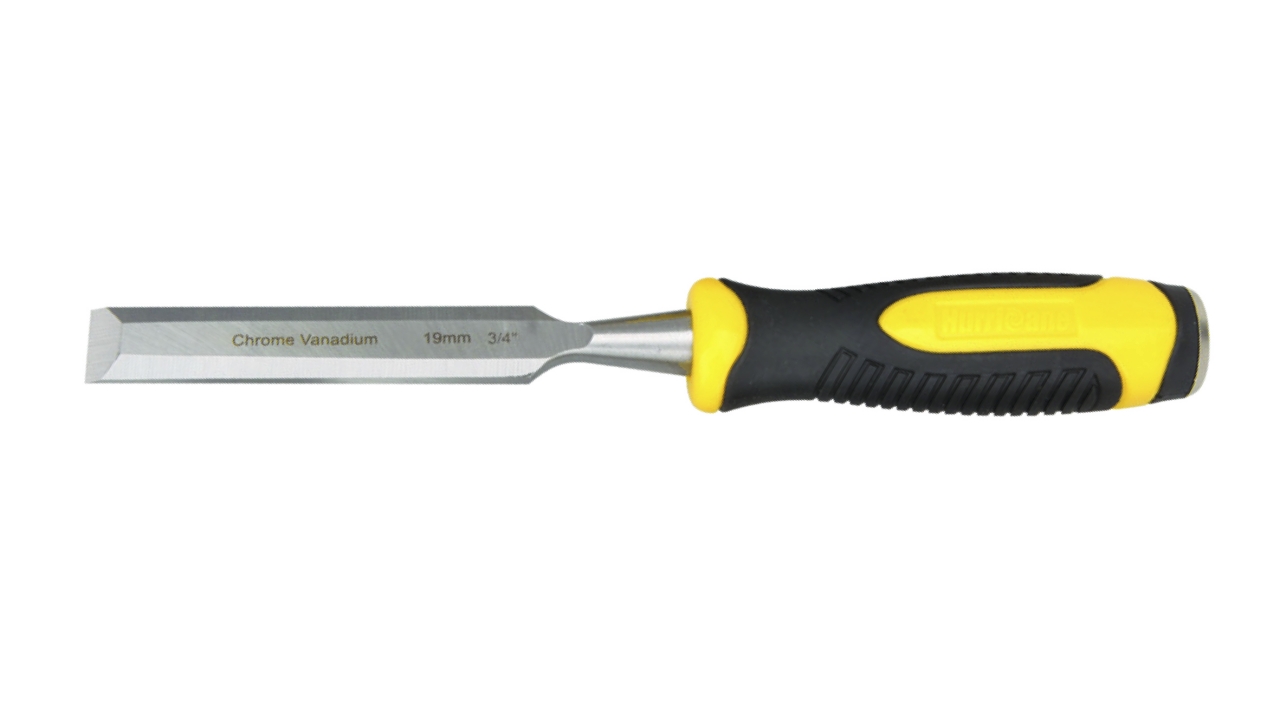
Before the sharpener’s blade, it’s important to understand the anatomy of wood blades and the way in which edge design affects performance.
Wood’s parts that are relevant to the sharpening process.
Blade: It’s typically composed of steel with a high carbon content or an alloy of steel and carbon.
Bevel: The slanted surface that grounds toward the cutting edge.
Cutting Edge: The meeting point of the bevel and the rear.
Back (Flat Side): must have a flat surface for maximum clarity
A true sharp chisel is not solely defined by its bevel, but also by the flatness and polish of its back.
Common Bevel Angles for Wood Chisels
Different woodworking tasks require different edge angles. Choosing the correct angle improves durability and cutting efficiency.
| Chisel Type | Typical Bevel Angle | Best Use |
| Paring chisel | 20°–25° | Fine, controlled cuts |
| Bench chisel | 25°–30° | General woodworking |
| Mortise chisel | 30°–35° | Heavy chopping |
| Carving chisel | 20°–25° | Detail work |
Selecting the appropriate angle is the first step toward effective sharpening.
Sharpening vs Honing: What’s the Difference?
Many debates about wood chisels are misconstrued as being about sharpening or honing.
Sharpening involves the removal of material in order to create or mend the bevel.
Honing sharpens and enhances the edge for the greatest possible acuity.
In practice, the majority of maintenance sessions involve honing, while full sharpening is typically done when the edge is damaged or has lost all of its sharpness.
Sharpening Systems for Wood Chisels
No singular method is best; professional results can be attained using multiple systems.
- Water Stone
Water stones are commonly employed for the purpose of sharpening wood chisel, as they have a quick cutting rate.
Advantages:
Excellent feedback
Excellent ability to smooth out imperfections
Disadvantages:
Ask for soaking and flattening
Take a relatively short time to wear.
- Oil Sands
Traditional oil stones are long-lasting and consistent.
Advantages:
Extended lifespan
Low management
Disadvantages:
Less rapid cutting
Less refined than waterflourish
- Diamond Disks
Diamond stones are increasingly common in both professional and consumer settings.
Advantages:
Remain flat
Rapid material removal
Disadvantages:
Higher upfront cost
Less frequent feedback that is less tactile.
- Sandpaper (Adventurous Method)
This method employs a flat surface covered with abrasive paper.
Advantages:
Low price
Excellent for those who begin
Disadvantages:
Recommended materials
Less effective in the event of frequent sharpening.
Step-by-Step Guide: How to Sharpen Wood Chisels
Step 1: Examine the Chisel’s Edge
Review the cutting edge in a well-lit area. Look for:
Nicks or chips
Rounded bevels
Uneven clothing
This evaluation determines if lightening or full honing is necessary.
Step 2: Empress the Chisel’s Back
This is one of the most disregarded steps in the sharpening of wooden tools.
Back the flat side on a rough stone (e.g., 400-600 grit)
Recreate their self’s movement in and out of place with equal ease.
Advancement through increasingly smaller grits, until the rear is finished
Only the first 20-30 mm near the edge is required to be completely flat.
Step 3: Create the Primary Bevel
Using a medium abrasive (300-600 grit):
Establish the bevel’s angle
Sharpen the blade and rotate it around the edge, forming a burr.
A jig that is sharp can facilitate consistency; this is especially helpful for novices or production environments.
Step 4: Enhance the Bevel Through Increasing Grits
Walk through the middle and fine grits (1000-3000-8000):
Maintain the same degree
Employ light, consistent pressure.
Remove imperfections from the previous polish
This step has a significant impact on the quality of the edge.
Step 5: Create a Micro-Bevel (Recommended butOptional)
A small bevel increases the sharpness of the cut edge.
Increase the angle by around 1–2°.
Gently make several strokes on a delicate stone.
This increases the lifespan of the edge without negatively affecting its sharpness.
Step 6: Take the Burr off
Flip the stone and gently scrape the back of a fine stone to remove the burr.
Step 7: Complete Stropping
Overlapping the top of the leather with another material that is charged with additional refinement enhances the edge.
Pull the chisel backwards with only a few hits.
Avoid raising the bevel’s apex.
This step creates a sharp edge that is ideal for precise crafting.
How Sharp Is Sharp Enough?
“Sharp enough” is not about achieving a mirror-like finish alone, but instead about improving the cutting ability and stability of the edge.
Practical Accuracy Indicators
A wooden chisel is effective enough when it:
Slicing through the end of the grain without damaging the fibers.
The paring cuts are smooth and have a controlled force requirement, requiring little to no force.
Can trim thin waves from softwood without pulling away.
Clean, bright surfaces in the hardwood joinery.
The WayEdges’ Geometry is of importance.
Bevel Angles:
25°-30° is beneficial for the majority of woodworking projects.
Lower angles = more acute but less powerful
Elevated angles = more powerful edge that is less acute
Recommended Action:
The flap’s rear end must be dead flat and prepared near the blade’s cutting edge.
A pointed bevel alone is not sufficient
Sharpness and Durability
Over-polishing can adversely affect the long term stability of a system.
For severe chopping, a bit less refinement will increase the life of the edge.
For sharp paring or detail-oriented work, increased polish has a positive effect on control.
The general rule of thumb:
A chisel should efficiently and safely cut through wood, not merely to appear sharp.
Common Mistakes When Sharpening Wood Chisels
- Ignoring this el’s Back
Many users only consider the bevel’s importance.
A sloping or flat backside prevents a sharp end.
Always descend and improve the rear first.
- Using the Appropriate Bevel Angle
Too shallow: chips near the edge quickly
Too shallow: the chisel is dull and difficult to regulate.
Combine the appropriate angle with the task (paring or chopping).
- Avoiding the Grit Advancement
Jumping from large to small stones creates deep wounds.
Leads to weak boundaries and uneven sharpness
Employ a logical progression of grits ( coarse → medium-sized → fine-sized).
- uneven pressure during sharpening
Cause that are round or slanted
Incomes poor results in poor accuracy of cutting.
Maintain a consistent force and length of stroke.
- Heating the Edge (Sharpening power)
Heat can adversely affect the steel’s temperature.
Emotional causes of the edge’s softness and rapid sluggishness.
Apply light pressure to the problem and frequent refreshes.
- Over-Sharpening
Extra toughening of the steel results in a shorter lifespan of the tool.
Frequent honing is more effective than aggressive pounding.
- Disappointing Honing Method
Changing the method of the sharpener’s work can often lead to inconsistent results.
Commit to a reproducible practice (one that can be repeated, like jigs, guides, or stones).
Maintenance Schedule for Wood Chisels
Regular maintenance reduces the need for heavy sharpening.
| Usage Frequency | Recommended Action |
| Daily | Light honing or stropping |
| Weekly | Fine stone touch-up |
| Monthly | Full sharpening |
| As needed | Repair damage |
Choosing the Right Sharpening Setup
An effective sharpening setup ensures consistent results, an efficient process, and a long lifespan for the tool. The most effective system is based on your talent, budget, available space, and woodworking interests.
- Sharpening Stones: The Base
Water Stone
Best for: Hand tools, small woodworks
Fast and efficient cutting
Grind sizes available in a wide range of grit (220-8000+)
Requirement for flattening and soaking (a few extra steps)
Think about it: You want sharp, razor-like edges, and are willing to maintain them.
Oil Sands
Best for: Traditional configurations, long-lasting sharpening
Less aggressive but more lasting
Less frequented flat areas
Use honing oil in place of water.
Think about it: You enjoy a low-maintenance, traditional system.
Diamond Stone
Best for: Robustness and speed
Remain flat, don’t soak.
Fast and efficient
Increased cost of admission
Think about it: You want a hygienic, efficient, and low-maintenance solution.
- Progression Strategy for Grits
A proper setup has a balanced composition:
Coarse (200–400 grit): Repair the bevels, re-establish the chips’ function.
Middle (800-1000 grit): Printer’s helper
Fine (3000-8000 grit): Polishing and honing
Tip: Three stones are sufficient to cover the majority of needs.
- Honing Guides or Freehand Sharpening?
Honing Directions
Best for: Those who start with a precision approach
Constant bevel inclinations
Recommended practices
Less rapid but more accurate
Recommended if: You value consistency over haste.
Handling with free ends
Bestowed for: Woodworkers who have extensive experience.
Increased productivity
Adjustable bevels
Practicing is necessary
Recommended if: You frequently sharpen and enjoy efficiency.
- Hons and All Final Honing
Leather aphids have a compound. Remove the burr.
Increases the sharpness and smoothness of the edge.
Increases the amount of time between sharpening sessions completely.
Essential for: The finest cutting and finalizing of projects.
- Power Sharpening Opportunities (Recommended)
Bench Grinder
Rapid bevel evolution
The potential for overheating if misrepresented
Combined with the most effective method of honing.
Low-Speed Grinder / Wet Grinder
Less severe heat damage
Wonderful for tool repair
Higher costs and larger spaces are required
- The design of the workspace and the ergonomics of the furniture
Constant, non-slip sharpening surface
Adequate lighting that allows inspection of the edges.
Water/ oil management to maintain the space clean.
Comfort increases consistency.
- Matching Setup to Your Needs
| User Type | Recommended Setup |
| Beginner | Diamond stones + honing guide |
| Hobbyist | Water stones + guide or freehand |
| Professional | Mixed system + strop |
| Restoration work | Grinder + stones |
FAQ: Wood Chisels Sharpening
- How frequently should wooden chisels be renewed?
They should be honed frequently, and sharpening should be employed whenever the performance of the blade declines.
- What direction is most beneficial for the sharpener’s use of wood?
25°-30° is perfect for general-purpose chisel boards.
- Does it matter if I use a sharpener?
Not required, but highly recommended for consistency.
- Is it possible to have dull chisels that are harmful?
Yes. Dull instruments necessitate more power and increase the possibility of falls.
- Is it necessary to top?
Not necessary, but it greatly increases the sharpness and life of the blade.
結論
Learning how to sharpen wood is a talent that directly affects the quality of the work, efficiency, and safety. By understanding the shape of the edge, selecting the appropriate abrasives, and following a systematic procedure that is followed by woodworkers, they can produce quality results that are in line with professionalism.
Other top-ranked Google articles that focus on the fundamental steps alone have a more technical scope, structured processes, and practical advice that is pertinent to the industry. Whether it’s a small laboratory or large industrial production, mastering the sharpener’s chisel ensures effective cuts, increased life of the tool, and superior wood-working results.