Article Abstract:
A 正方形のファイル is a fundamental tool for metalworking, woodworking, machinery repair, and precise attachment. Despite its apparent ease, the incorrect method of square flipping continues to be one of the most common causes of misaligned fits, damaged pieces, early tool wear, and misconstrued tolerances.
Machining Fundamentals, by John R. Walker, describes the correct way to file as a combination of controlling the angle, spreading pressure, consistency of stroke, and the selection of the tool.
This article provides a comprehensive, practical guide to the proper method of using a square tool. It combines mechanical engineering’s principles, practical machining lessons, and professional toolmaker’s guidance to explain the importance of each method, as well as how to use a square file correctly.
Understanding What a Square File Is and Why Technique Matters
- The definition and description of a square file is included below
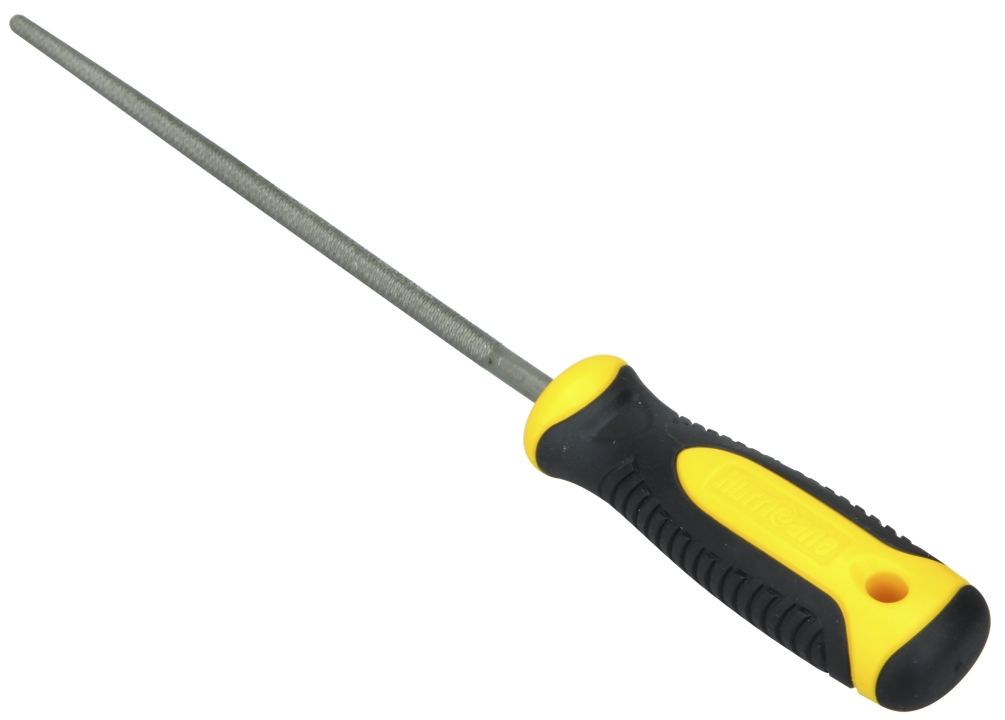
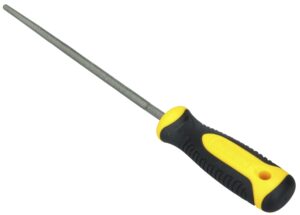
A square file is a handheld file that has a square-shaped cross-section, it is typically composed of:
- Four flat eyes
- Sharp, defined angles
- Similar or identical profile
Single or dual cutters, depending on use:
This geometry is ideal for creating square files.
- Rounding internal angles
- Increasing the size of square or rectangular openings
- Keyways, slots, and grooves
- Additions of refined interior angles
Unlike rectangular or spherical files, square files necessitate a higher degree of precision in order to properly handle them; each face and corner of the file has an effect on the final shape of the piece.
- Why It’s Essential to Use the Proper Technique?
Incorrectly executing the square method of filleting often leads to:
- Internalized internal corners
- Uneven spaces between the slots
- Holes that are twisted or sloped
- Theft of accurate dimensions
- Over-exposure to the tool
In manufacturing settings, particularly with regard to toolmaking, mold installation, and machinery maintenance, these errors can cause assembly failure, vibrations, or early wear of the parts. As such, professional standards prioritize controlled procedure over speed.
Selecting the Correct Square File Before You Begin
- The size of the file and length of the file should be considered
The length of the square file should be determined by:
- The size of the project
- The depth of the slot or gap
- Necessary oversight and control
Longer files have a more gradual approach but less control over the corners, while shorter files are more accurate in confined spaces.
- Tooth Cut and Coarsens
| File Cut | Typical Use | Material Type |
| Bastard Cut | Rapid material removal | Mild steel, aluminum |
| Second Cut | Controlled shaping | Carbon steel, brass |
| Smooth Cut | Finishing and sizing | Hardened steel, fine work |
Choosing the wrong cut can either remove material too aggressively or waste time without effective cutting.
- Material Compatibility
Square files are commonly used on:
- Steel and cast iron
- Aluminum and copper alloys
- Brass and bronze
- Hard plastics and composites
For softer materials, chalking the file reduces clogging and improves cut consistency.
Proper Body Position and Workpiece Setup
- Preserving the Workpiece
Before uploading:
- Clamp the jobber in a vise and secure it there
- Ensure the area of filing is at the appropriate height
- Remove noise or movement
A laborious motion decreases the accuracy of the craft and increases the probability of injury.
- Adequate and Effective Stance
Professional technique involves:
- standing in the vise’s square
- feet shoulder width apart
- The main hand that holds the reins
- A nondominant hand that guides the file’s tip
The guiding hand should utilize directional control, rather than applying downward pressure.
The Proper Filing Technique for a Square File
- Stroke Direction and Pressure Control
The proper writing stroke is:
- Only forward motion (end of the cut)
- Bright return stroke with no force
- Even pressure that reaches the full length of the face
Applying pressure to the return stroke will dull the file and cause damage to the work surface.
- Maintaining proper angles
One of the most important aspects of square file methodology is the use of angles. The file must be kept:
- Concurrent with the slot’s walls
- perpendicular to the surface of the workpiece.
- Corresponding to the intended design
Even a small amount of rotation can cause the purpose of the square hole to be fouled.
- Using the full length of the File’s content
Professional practice promotes long, smooth flows that:
- Incorporate more teeth into the mix
- Spread the wear out evenly
- Create a shallower profile
Short, choppy strokes cause uneven cutting and surface noise.
Technique Variations for Common Applications
- Square Holes Filing
When augmenting or diminishing a square hole:
- Switch to the next side as often as possible
- Frequently assess the compatibility of a gauge or counterpart.
- Avoid overzealous handling of corners.
Corners should be lightly decorated at the end in order to maintain their sharpness.
- The Keyway and the Slot
Keyways necessitate:
- Direct, consistent motions
- Low side pressure
- Frequent water quality assessments
Even a small amount of tilting can lead to uneven key engagement.
- Internal Squaring Corners
Use:
- Gentle pressure
- Brief finalizations
- Smoothly cut files
Adversistic fileting methods take a different approach to rounding than to sharpening.
Common Mistakes and How to Avoid Them
- Using the Incorrect File Rank
Mistake: Starting with a sharp blade on rough stock or a dull blade on exacting projects.
Solution: Start with a rough or bastard cut that will remove the majority of the material, then proceed to a second cut or smooth file.
- Over-applying pressure to the problem
Mistake: Employing the file as intended, which leads to uneven surfaces and premature wear.
Solution: Use a consistent, moderate pressure on the first stroke only.
- Rocking the File
Mistake: During the filing process, you may have accidentally angled or tapered the edges.
Solution: Maintain full communication and consistent coordination
- Cleaning Skips
Mistake: Allowing the fixation of (metal) on the file teeth.
Solution: Use a file card as often as possible to maintain teeth.
Square File Technique by Material Type
- mild steel
Use: Swindler or additional cut file
Technique: Long, consistent strokes with moderate force
Tip: File the chalk to reduce the amount of time spent poking.
- 硬化鋼
Use: Fine powder or diamond-covered square powder
Technique: Low light pressure, slow motions
Tip: Avoid overzealous heating of the workpiece.
- Aluminum and Other Alloys
Use: Single-cut or consistent file
Technique: The light strokes are used to prevent blockage.
Tip: Keep the file clean frequently
- Brass and Copper
Use: Fine or smooth application
Technique: Controllable patterns for precise results
Tip: Low pressure to avoid spreading
Measuring and Quality Control During Filing
Precision filing is based on the continuous measurement and monitoring of things.
- Recommended instruments
Vernier calipers or microscopes
Engineer’s area
Indicators of success/ failure
Visual aid for the layout
- Practices of Quality Control
After every few strokes, measure the distance traveled.
Check for consistency and flatness
Avoid over-filing—the removal of material is permanent
Industrial and Professional Applications of Square Files
Square files are commonly employed in industries that require precise internal design.
- Common Examples
- Machining and toolmaking
- Keyway and slot filling
- Mold and die consistency
- Maintenance and sửa chữa jobs
- Metal crafting and installation
- Precision and locksmithing
They’re especially significant for final assembly and error detection, when machines cannot reach.
Comparison Table: Square File vs Other Common Files
| File Type | Best Use Case | Limitations |
| スクエアファイル | Internal corners, slots | Requires high control |
| フラットファイル | Flat surfaces | Cannot reach corners |
| 丸ヤスリ | Holes and curves | No flat edges |
| Triangular File | Sharp V-grooves | Limited surface area |
Safety Best Practices When Using a Square File
- Constantly Use a File Input/Output
Avoids the trauma of exposed nails
- Preserve the Product
Use a vise or grab to prevent rotation
- Have personal protective equipment
Safety glasses to shield from chemicals
Gloves that are used to handle completed parts (not while filing)
- Maintain the proper posture
Standing still and moving with a controlled amount of motion decreases fatigue and increases accuracy.
- Preserve files in a proper location
Avoid direct contact between the file’s teeth to avoid dulling.
FAQ: Square File Usage
What is the primary purpose of a square file?
Square files are employed to form square holes, slots, keyways, and internal angles.
Should I wedge or extrude a square cutter?
Only utilize the forward (press) method. The stroke that returns should be free of pressure.
How can I maintain my file’s neatness?
Maintain a consistent body position, wrist position, and a visual reference to the object’s edges.
Can a circular saw be employed on steel that is already hardened?
Only occasionally, and primarily intended for decoration. Hardened materials have a quick rate of wear.
How often should the square foot be replaced?
When teeth become dull, compacted, or uneven, a replacement is necessary for precise labor.
Why Proper Square File Technique Still Matters Today?
Despite advances in CNC machining and automated finishing, the square file method remains important in many professions. It supplies:
- Micro-level regulation
- On-site versatility
- Effective precision
Mastering the proper technique of square file improves the quality of the work, reduces the amount of rework, and increases the life of the tool.
結論
The proper method of using a square file is a combination of file selection, body movement, controlled pressure, and continuous measurement. While often disregarded, square filing has a significant impact on the precision of fit and the final product in multiple disciplines.
Through the methods listed in this guide, professionals and serious users can achieve cleaner geometry, more accurate tolerances, and more dependable results than those achieved by general educational content.