Article Summary:
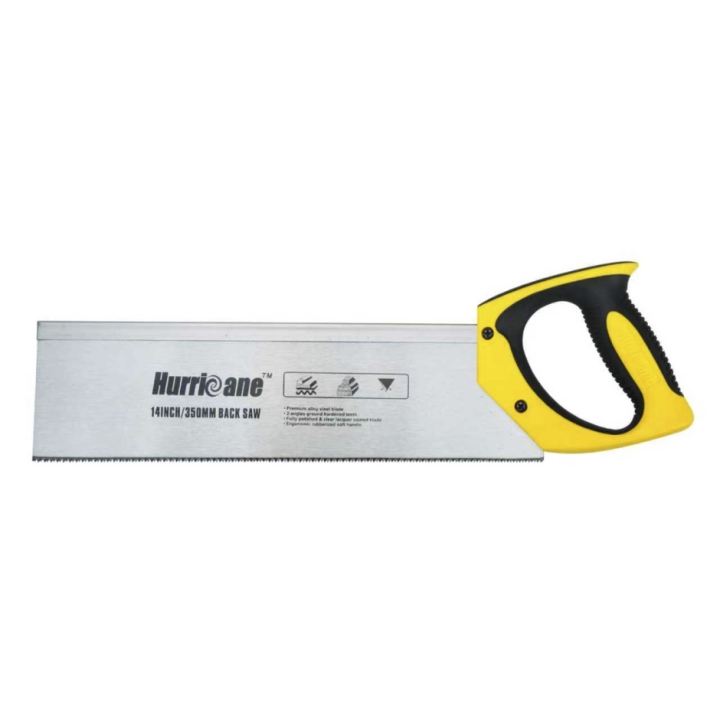
The バックソー is a precision hand tool characterized by a reinforced spine along the top edge of the blade, designed to limit flex and ensure accurate, straight cuts.
Historical documentation in “The History of Woodworking Tools” by W. L. Goodman and practical classifications described in “The Complete Manual of Woodworking” by Albert Jackson confirm that back saws evolved specifically for joinery tasks requiring dimensional control and clean kerfs.
This detailed 2026 guide examines various types of back saws in technical detail—covering their structural design, tooth configurations, materials, use-case differentiation, industrial and fine woodworking applications, selection criteria, maintenance, and new tool innovations.
Understanding the Back Saw: Structural and Functional Fundamentals
A back saw is different from a standard handsaw mainly due to its reinforced spine, also known as the “back” or “rib,” which is usually made of brass or steel.
This stiff spine stops the blade from bending, enabling very straight and precise cuts. However, the stiff spine also restricts how deep the saw can cut, making back saws specialized tools instead of versatile, all-purpose saws.
The main structural components of a back saw consist of:
- A slender steel blade (for a narrow kerf)
- A sturdy spine reinforcement
- A fine tooth pattern (typically with higher TPI)
- An ergonomic handle designed for a controlled grip
Unlike flexible panel saws, a back saw operates with precision rather than speed. It is most commonly used in joinery, cabinetry, fine furniture making, and detailed carpentry.
Core Types of Back Saws
The classification of back saws is based on blade length, tooth configuration, and intended application. The main categories acknowledged in professional woodworking are listed below.
- Tenon Saw
The tenon saw is the most commonly known type of back saw in Western woodworking traditions. It is used for cutting tenons, especially the cheeks and shoulders of mortise-and-tenon joints.
Key Characteristics:
- Blade length: 10–16 inches
- TPI: 12–16
- Tooth pattern: Rip-cut dominant
- Spine: Steel or brass
Handle: Closed pistol grip
Tenon saws are designed specifically for cutting along the grain. The increased tooth count allows for smooth cuts, and the sturdy spine guarantees precise joints.
Typical Applications:
- Mortise and tenon joinery
- Dovetail shoulders (coarse work)
- Frame and panel construction
- Cabinet carcass assembly
- Dovetail Saw
The dovetail saw is a smaller, finer version of the tenon saw and is used for detailed joinery work, particularly dovetail joints.
Key Characteristics:
- Blade length: 8–10 inches
- TPI: 15–20
- Tooth pattern: Rip-cut
- Thin blade for narrow kerf
Because dovetails require high accuracy and tight-fitting joints, the dovetail saw is designed with minimal set and fine teeth.
Professional Context
In fine furniture manufacturing, especially high-end cabinet production, dovetail saws are essential tools for visible joinery work where aesthetics matter as much as structural integrity.
- Carcass Saw
The carcass saw bridges the gap between tenon and dovetail saws.
Key Characteristics:
- Blade length: 10–14 inches
- TPI: 12–16
- Tooth pattern: Crosscut or hybrid
- Medium-depth spine
Carcass saws are ideal for crosscutting stock to size in cabinetmaking before joinery begins.
Comparison Table: Core Back Saw Types
| Type | ブレード長さ | TPI範囲 | Primary Cut Direction | Best Use |
| Tenon Saw | 10–16 in | 12–16 | Rip | Mortise & tenon |
| Dovetail Saw | 8–10 in | 15–20 | Rip | Fine dovetails |
| Carcass Saw | 10–14 in | 12–16 | Crosscut | Cabinet parts |
Specialty Back Saw Variants
Beyond the three core types, several specialty variants exist.
- Miter Box Saw
This back saw is designed to be used with a miter box and ensures accurate angled cuts.
Features include:
- A longer blade (14–26 inches)
- High TPI
- A reinforced heavy spine
These are commonly used in trim carpentry and molding installation.
- Gents Saw
The gents saw is a smaller back saw with a straight handle, used for delicate cuts.
Unlike traditional pistol grips, it has a turned handle that provides improved rotational control for precise cuts.
- Razor Saw
Razor saws possess very thin blades with ultra-fine teeth, often utilized in model making, instrument crafting, and hobby industries.
Tooth Geometry and Cutting Performance
The cutting efficiency of a back saw is determined by:
- Tooth pitch (TPI)
- Rake angle
- Fleam angle
- Tooth set
Rip vs Crosscut Teeth
| Tooth Type | Designed For | Tooth Shape | Cutting Action |
| Rip | Cutting along the grain | Chisel-like | Splitting fibers |
| Crosscut | Across grain | Knife-like | Slicing fibers |
Professionals select tooth geometry based on wood species and project requirements.
Materials and Blade Technology
Modern back saw blades are made from:
- High-carbon steel
- Spring steel
- Hardened alloy steel
Spines are typically:
- Brass (aesthetic + weight)
- Steel (durability)
Hard-point teeth increase durability but reduce resharpening ability.
Industrial and Professional Applications
Back saws are extensively utilized in woodworking, cabinetry, and precision fabrication settings where accuracy in cuts is essential.
- Fine Woodworking & Cabinetmaking
Common applications include:
- Cutting dovetail joints
- Creating tenon shoulders
- Making box joints
- Cutting miters for frames
Back saws guarantee:
- Sharp, clean cut lines
- Minimal tear-out
- Controlled kerf width
Professional cabinetmakers favor back saws for hand-finished joinery tasks.
- Furniture Manufacturing
Uses encompass:
- Precise trimming of components
- Flush cutting joints
- Detail finishing work
Even in workshops dominated by CNC machines, back saws remain vital for:
- Manual adjustments
- Prototype development
- Custom furniture detailing
- Carpentry & Trim Work
Used for:
- Fine trim adjustments
- Door and window frame detailing
- Crown molding miters
When paired with a miter box, back saws produce highly accurate angle cuts.
- Educational & Training Workshops
Because of their controlled cutting action, back saws are widely used in:
- Woodworking schools
- Vocational training centers
- Apprenticeship programs
They provide tactile feedback valuable for skill development.
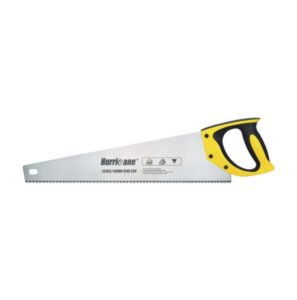
Choosing the Right Back Saw (Buyer’s Framework)
Selecting a back saw depends on application type, precision requirement, and material characteristics.
- ブレード長さ
Typical range:
- 8–10 inches → Fine joinery
- 10–14 inches → General carpentry
- 14+ inches → Larger shoulder or tenon cuts
Shorter blades provide greater control.
Longer blades allow longer, straighter cuts.
- Tooth Configuration (TPI – Teeth Per Inch)
TPI determines cut smoothness and aggressiveness.
- 12–14 TPI → General woodworking
 • 14–18 TPI → Fine joinery
- 20+ TPI → Very fine cuts (hardwoods, thin stock)
Higher TPI = smoother finish, slower cut
Lower TPI = faster cut, rougher finish
- Tooth Geometry
Two main patterns:
Rip Cut Teeth
- Chisel-like profile
- Designed for cutting along the grain
Crosscut Teeth
- Knife-like profile
- Designed for cutting across the grain
Choose based on the dominant cutting direction.
- Spine Material
Common materials:
- Steel spine → Durable, industrial use
- Brass spine → Heavier, improved balance, premium aesthetic
Brass-backed saws provide better momentum and control for fine work.
- Handle Design
Important factors:
- Open vs closed handle
- Grip ergonomics
- Wood vs composite material
Professional use requires:
- Comfortable grip
- Secure control
- Balanced weight distribution
- Build Quality Indicators
Look for:
- Laser-straight blade alignment
- Even tooth set
- Hardened steel construction
- Replaceable blade (in some industrial models)
Back Saw vs Other Saw Types
Understanding differences helps clarify when a back saw is the optimal choice.
- Back Saw vs Panel Saw
| Feature | バックソー | Panel Saw |
| Blade Thickness | Thin | Thicker |
| Spine Support | Yes | No |
| Flexibility | Minimal | Moderate |
| Precision | High | Moderate |
| Speed | Slower | Faster |
Panel saws are better for rough dimensioning. Back saws excel in precision joinery.
- Back Saw vs Dovetail Saw
A dovetail saw is a kind of back saw.
Differences:
- Dovetail saw → Smaller, higher TPI
- General back saw → Broader application
All dovetail saws are back saws, but not all back saws are dovetail saws.
- Back Saw vs Tenon Saw
Tenon saw = larger back saw variant.
Used for:
- Cutting tenons
- Larger joinery work
Tenon saws typically:
- Longer blade
- Lower TPI than dovetail saws
- Back Saw vs Power Saw
| Feature | バックソー | Power Saw |
| Power Source | Manual | Electric |
| Precision | Very High | Depends on tool |
| Noise | Silent | High |
| Portability | High | Variable |
| Setup Time | Minimal | Required |
For delicate joinery, many professionals still prefer back saws for tactile control.
Maintenance and Sharpening
Proper maintenance greatly prolongs the lifespan and enhances cutting performance.
- Cleaning and Rust Prevention
After use:
- Wipe the blade clean.
- Apply a light oil coating.
- Store in a dry environment.
For humid climates, silica gel or rust inhibitors are recommended.
- Sharpening Process
Back saw teeth are smaller and require precise sharpening.
Tools needed:
- Fine triangular file.
- Saw vise.
- Saw set tool.
Sharpening steps:
- Secure the saw in the vise
- Joint the teeth to a uniform height
- File at the correct angle
- Reset the tooth set if required
Professional sharpening is recommended for high-TPI blades.
- Tooth set adjustment controls the kerf width.
Too many settings can cause a rough cut and reduced accuracy.
Too little set may lead to blade binding.
Precision tuning enhances performance.
- Blade replacement (hardened saws).
Some modern back saws feature impulse-hardened teeth.
Advantages include long-lasting sharpness.
Disadvantage:
- Cannot be resharpened
- Must replace the blade
Industrial buyers should consider lifecycle cost.
Emerging Innovations in 2026
- Laser-cut tooth precision
- Cryogenically treated steel
- Ergonomic 3D-scanned handles
- Hybrid push-pull blade designs
- Sustainable hardwood handles
Though power tools dominate construction sites, back saw craftsmanship is resurging in premium woodworking markets.
FAQ Section
- What makes a back saw different from a regular handsaw?
A back saw has a reinforced spine that increases rigidity and accuracy but limits cutting depth.
- Which back saw is best for dovetail joints?
A dovetail saw with 15–20 TPI rip teeth is ideal.
- Can a back saw be resharpened?
Yes, unless it has hardened “hard-point” teeth.
- Is a tenon saw suitable for beginners?
Yes, it offers versatility and is often recommended as a first precision back saw.
- Are back saws still relevant in modern woodworking?
Absolutely. For precision joinery and fine craftsmanship, they remain indispensable.
結論
The back saw is not a single tool but a family of precision cutting instruments tailored for joinery excellence. From tenon saws used in structural joints to dovetail saws crafted for aesthetic perfection, each type serves a defined technical purpose. Understanding blade length, tooth geometry, material science, and intended application ensures optimal performance and longevity.
In 2026, even with progress in power tools and CNC machinery, the back saw still remains essential in premium woodworking, restoration work, and bespoke craftsmanship. Experts who recognize the differences between back saw varieties achieve better control, more precise joints, and increased efficiency in their projects.