Product Categories
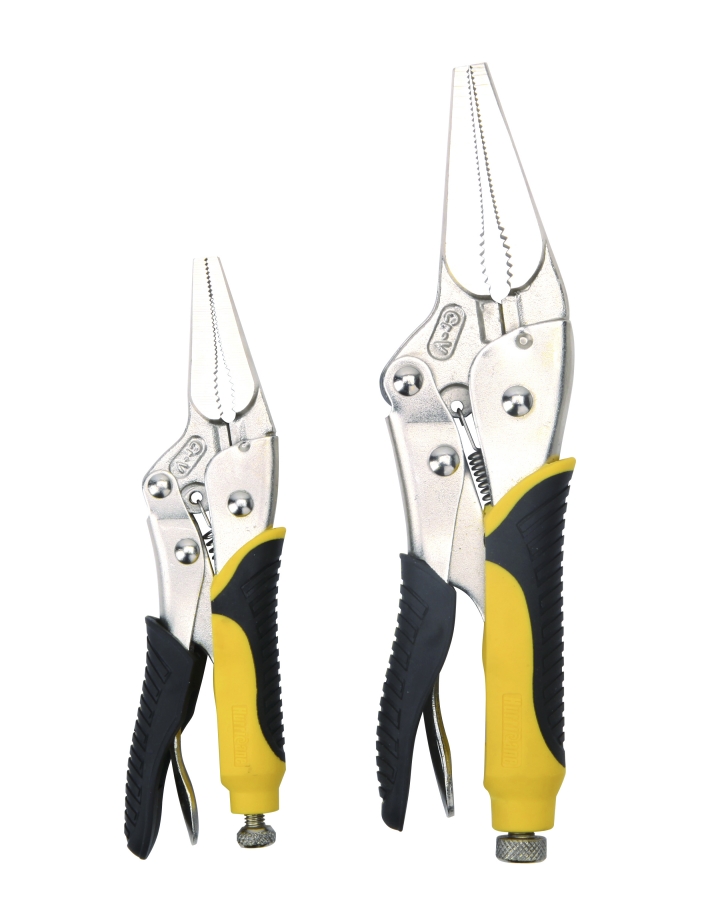
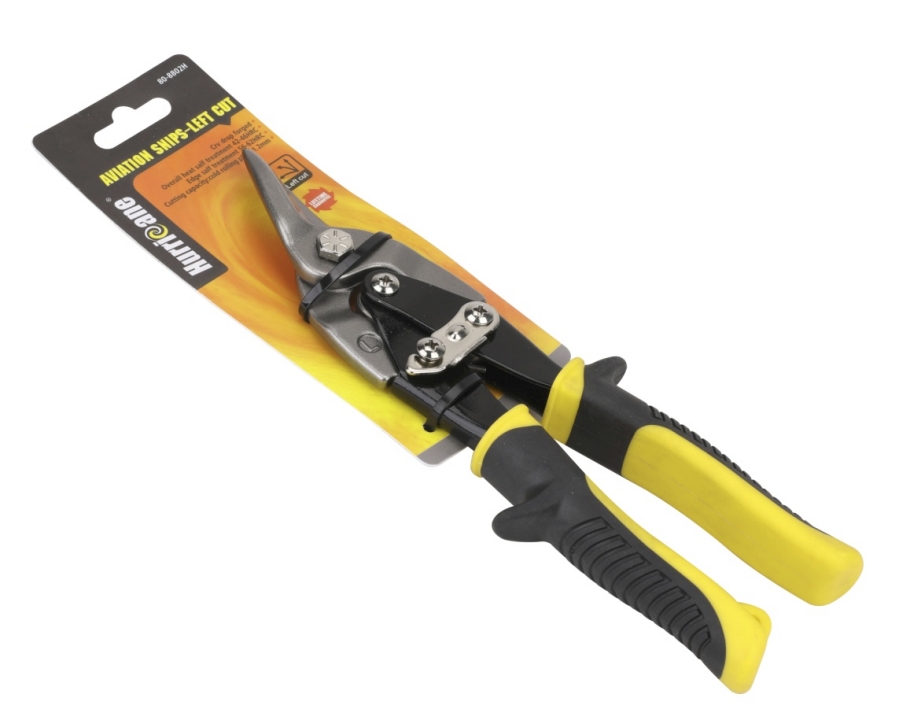
Pliers are versatile hand tools that can grasp, bind, cut, and twist various materials like wire, metal, and small components. They’re typically composed of two pivoted jaws and either insulated or non-insulated handles that provide power and control.
Pliers are crucial to electrical labor, mechanical repairs, building, and general maintenance because of their power, exactness, and versatility.
Pliers are commonly employed for holding onto wire, removing insulation, slicing cable, and combining electrical components.
They’re employed in the automotive industry and machinery repair to maintain, twist, and take apart parts.
In building projects, pliers facilitate the fastening of metal components, the bending of small objects, and the handling of smaller materials.
Pliers are employed in manufacturing facilities and laboratories for assembling, adjusting, and maintaining things.
They’re common tools in the household that are used for repairs, installations, and everyday solutions.
Pliers have a strong, solid grasp on various shapes and sizes of objects.
Many pliers have cutting blades that can cut wire, cable, and soft metal.
They facilitate the ability to bend, twist, and shape metal wire and components with a high degree of accuracy.
Pliers facilitate the removal of nails, screws, toggles, and other small components with efficiency.
Their design as aesthetics allows for precise control over the tasks that are detailed and intricate.