ملخص
In mechanical assembly, maintenance, and manufacturing, the مفك براغي remains one of the most fundamental and widely used hand tools. Despite its simplicity, the screwdriver plays a critical role in ensuring secure fastening, structural integrity, and operational safety across industries ranging from construction to electronics.
According to engineering standards, tool design research from the American Society of Mechanical Engineers, and tool performance guidelines published by the International Organization for Standardization, selecting the correct screwdriver type is essential to prevent fastener damage, improve torque efficiency, and ensure the long-term reliability of assembled components.
While dozens of specialized screwdriver designs exist, three primary types dominate both industrial and consumer use: flathead (slotted), Phillips, and Torx screwdrivers. Each type is engineered to match a specific screw head design, offering distinct advantages in torque transfer, ease of use, and resistance to cam-out (slipping).
Understanding the differences among these screwdriver types is crucial for professionals and DIY users alike, as improper tool selection can lead to stripped screws, reduced efficiency, and compromised safety.
This comprehensive guide explores the three main types of screwdrivers, how they work, their design characteristics, industrial applications, and how to choose the right one for your needs. It also examines advanced screwdriver variations, materials, ergonomic considerations, and future trends in fastening technology—offering a resource that goes deeper, is clearer, and has more practical value than typical top-ranking content.
What Is a Screwdriver?
Definition of a Screwdriver
A screwdriver is a hand or powered tool used to insert and remove screws. It consists of a handle, a shaft, and a tip (or bit) designed to fit into the head of a screw.
The primary function of a screwdriver is to:
- Apply torque to a screw
- Drive screws into materials
- Remove fasteners safely
The efficiency of a screwdriver depends largely on how well its tip matches the screw head.
Why Different Types of Screwdrivers Exist?
A Screwdriver is designed to drive specific screw types, and the wide variety exists to ensure a better fit, higher torque transfer, and reduced damage to both the screw and the tool.
- Different Screw Head Designs
Screws come in many head types, such as flathead, Phillips, Torx, and hex. Each requires a matching screwdriver to ensure proper engagement.
- Torque and Precision Requirements
Some applications (e.g., electronics vs. construction) require different torque levels. Specialized screwdrivers are designed to handle these needs without stripping screws.
- Industry-Specific Applications
Automotive, electronics, construction, and manufacturing industries all use different screw standards, leading to specialized screwdriver designs.
- Safety and Efficiency
Using the correct screwdriver reduces slippage, improves efficiency, and minimizes the risk of injury or product damage.
The Three Main Types of Screwdrivers
Although many variations exist, three main screwdriver types are most widely used.
- Flathead (Slotted) Screwdriver
Overview:
The flathead screwdriver is the oldest and simplest type. It features a flat, straight blade that fits into a single horizontal slot on the screw head.
Characteristics:
Simple design
Easy to manufacture
Compatible with basic screws
Advantages and Limitations:
Flathead screwdrivers are versatile but prone to slipping under high torque.
Applications:
They are commonly used in:
- النجارة
- Basic household repairs
- Electrical installations
- Phillips Screwdriver
Overview:
The Phillips screwdriver features a cross-shaped tip designed to fit into a corresponding cross-slot screw.
Characteristics:
Improved torque control
Self-centering design
Reduced slippage compared to flathead
Advantages and Limitations:
Phillips screwdrivers allow better torque transfer but can still cam out under excessive force.
Applications:
Widely used in:
- Electronics assembly
- Automotive manufacturing
- General construction
- Torx Screwdriver
Overview:
The Torx screwdriver uses a star-shaped (six-point) design, offering superior torque transfer and reduced wear.
Characteristics:
- High torque efficiency
- Minimal cam-out
- Increased durability
Advantages and Limitations:
Torx screwdrivers are highly efficient but require specific matching screws.
Applications:
Commonly used in:
- Automotive systems
- Industrial machinery
- Precision engineering
Comparison of the Three Main Screwdriver Types
Screwdriver Type Comparison
| Type | Tip Shape | Torque Efficiency | Common Uses |
| Flathead | Straight slot | Low | Basic repairs |
| فيليبس | Cross-shaped | Medium | General assembly |
| توركس | Star-shaped | High | Industrial and automotive |
This comparison highlights why Torx designs are increasingly popular in modern applications.
Key Components of a Screwdriver
A typical Screwdriver consists of several essential parts:
- Handle
Provides grip and control
Often ergonomically designed for comfort and torque application
- Shaft (Shank)
Connects the handle to the tip
Transfers torque from the handle to the screw
- Tip (Blade)
The working end that fits into the screw head
Determines compatibility with specific screw types
- Ferrule (Optional)
Reinforces the handle-shaft connection
Improves durability in heavy-duty applications
Screwdriver Components Overview
| Component | Function |
| Handle | Grip and control |
| Shaft | Transfers torque |
| Tip | Engages the screw head |
| Material | Determines durability |
High-quality materials improve longevity and performance.
Materials Used in Screwdrivers
The performance and durability of a Screwdriver depend heavily on the materials used.
- Steel Alloys (e.g., Chrome Vanadium Steel)
Commonly used for shafts and tips
Offers high strength, hardness, and wear resistance
- Hardened and Treated Tips
Heat-treated tips improve durability and reduce wear
Magnetic tips are often added for convenience
- Handle Materials
Plastic or rubber for comfort and insulation
Composite materials for improved grip and durability
- Corrosion-Resistant Coatings
Chrome plating or black oxide finishes help prevent rust and extend tool life
How to Choose the Right Screwdriver?
Choosing the correct Screwdriver ensures efficiency, safety, and long-term tool performance.
- Match the Screw Type
Always select a screwdriver that fits the screw head exactly (e.g., Phillips, flathead, Torx).
- Consider the Application
Precision screwdrivers for electronics
Heavy-duty tools for construction or industrial use
- Check Size and Fit
Using the correct size prevents stripping and improves torque transfer.
- Evaluate Handle Comfort
Ergonomic handles reduce fatigue during extended use.
- Look for Quality Materials
High-quality steel and durable handles ensure longer service life.
- Additional Features
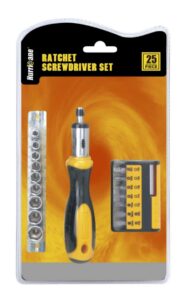
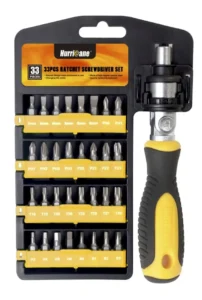
Magnetic tips, insulated handles, or interchangeable bits can enhance usability depending on the task.
Screwdriver Selection Guide
| Factor | Recommendation |
| Precision work | Use Torx or Phillips |
| Heavy-duty tasks | Choose high-torque designs |
| General use | مفك براغي فيليبس |
| Simple repairs | Flathead screwdriver |
Choosing correctly prevents damage and improves efficiency.
Common Mistakes When Using Screwdrivers
Using the wrong screwdriver can lead to:
- Stripped screws
- Tool damage
- Reduced efficiency
Proper tool selection is essential.
Industrial Applications of Screwdrivers
Screwdrivers are used across many industries.
- Construction
Used for assembling structures and installing fixtures.
- Automotive Industry
Essential for assembling and repairing vehicles.
- Electronics Manufacturing
Used for the precision assembly of small components.
- Maintenance and Repair
Technicians rely on screwdrivers for equipment servicing.
Industry Applications of Screwdrivers
| Industry | Use Case |
| Construction | Structural assembly |
| Automotive | Engine and body assembly |
| Electronics | Device assembly |
| Maintenance | Repairs and servicing |
Future Trends in Screwdriver Technology
Modern screwdriver designs are evolving to meet industrial demands.
Smart Screwdrivers
Digital torque control improves precision.
Ergonomic Designs
Advanced handle designs reduce strain.
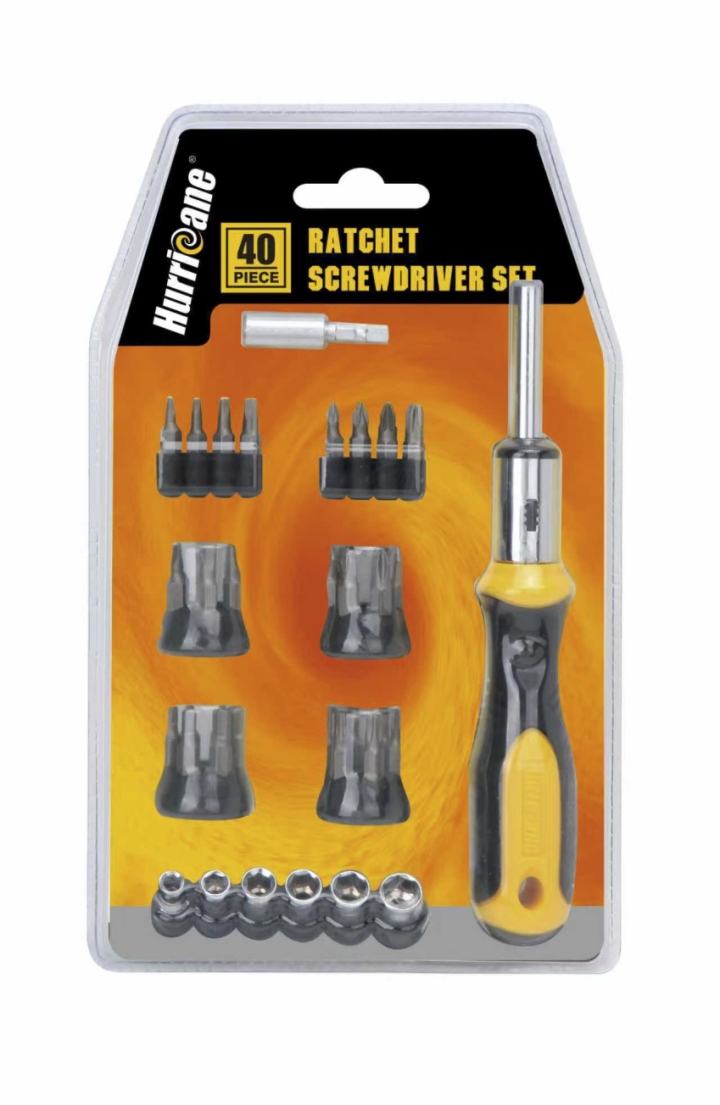
Multi-bit Systems
Interchangeable bits increase versatility.
FAQ: Screwdriver
ما هي الأنواع الرئيسية الثلاثة من المفكات؟
The three main types are flathead, Phillips, and Torx screwdrivers.
Which screwdriver is best for high torque?
Torx screwdrivers provide the highest torque efficiency and minimal slipping.
Why do screws strip easily?
Using the wrong screwdriver or applying excessive force can strip screws.
Are Torx screws better than Phillips?
Torx screws generally offer better torque transfer and reduced wear.
Can one screwdriver be used for all screws?
No. Different screw types require matching screwdriver tips.
الخلاصة
The screwdriver remains one of the most essential tools in both industrial and everyday applications, yet its effectiveness depends heavily on selecting the correct type for the task. The three main types—flathead, Phillips, and Torx—each offer distinct advantages in terms of torque transmission, ease of use, and application suitability.
While flathead screwdrivers provide simplicity and versatility, Phillips designs improve alignment and control, and Torx screwdrivers deliver superior torque efficiency and reduced wear in demanding environments.
Understanding these differences is critical for achieving efficient fastening, preventing damage to screws and materials, and ensuring long-term reliability in assembled products.
As industries continue to evolve, advancements in screwdriver technology—such as smart torque control, ergonomic enhancements, and modular bit systems—are further improving performance and usability.
Whether used in construction, automotive manufacturing, electronics assembly, or routine maintenance, the right screwdriver is more than just a basic tool—it is a key factor in precision, safety, and productivity.